





Otterly Lost launches on Steam on September 23, 2026, during Sea Otter Awareness Week. You play Otto, a sea otter swept far from home who swims, dives, climbs, glides, helps other animals, and solves light puzzles on his way back.
Also, he carries his favorite rock. This is not merely an emotional-support rock. It is a tool.
Video games have given us enchanted swords, portal guns, gravity cannons, alien artifacts, and weapons capable of deleting entire civilizations.
Otterly Lost gives us a rock.
To be fair, Otto is a sea otter, so the rock makes perfect sense.
Soulworks Interactive’s cozy open-world adventure releases during the last full week of September, which also happens to be Sea Otter Awareness Week. The developers explicitly chose the timing to celebrate the animals that inspired the game.
That gives an already very cute launch an unusually appropriate calendar hook.
How we assessed this: Based on the current Steam page, Soulworks Interactive’s press kit, and official development updates. This is not a hands-on review.
Table of Contents
What is Otterly Lost?
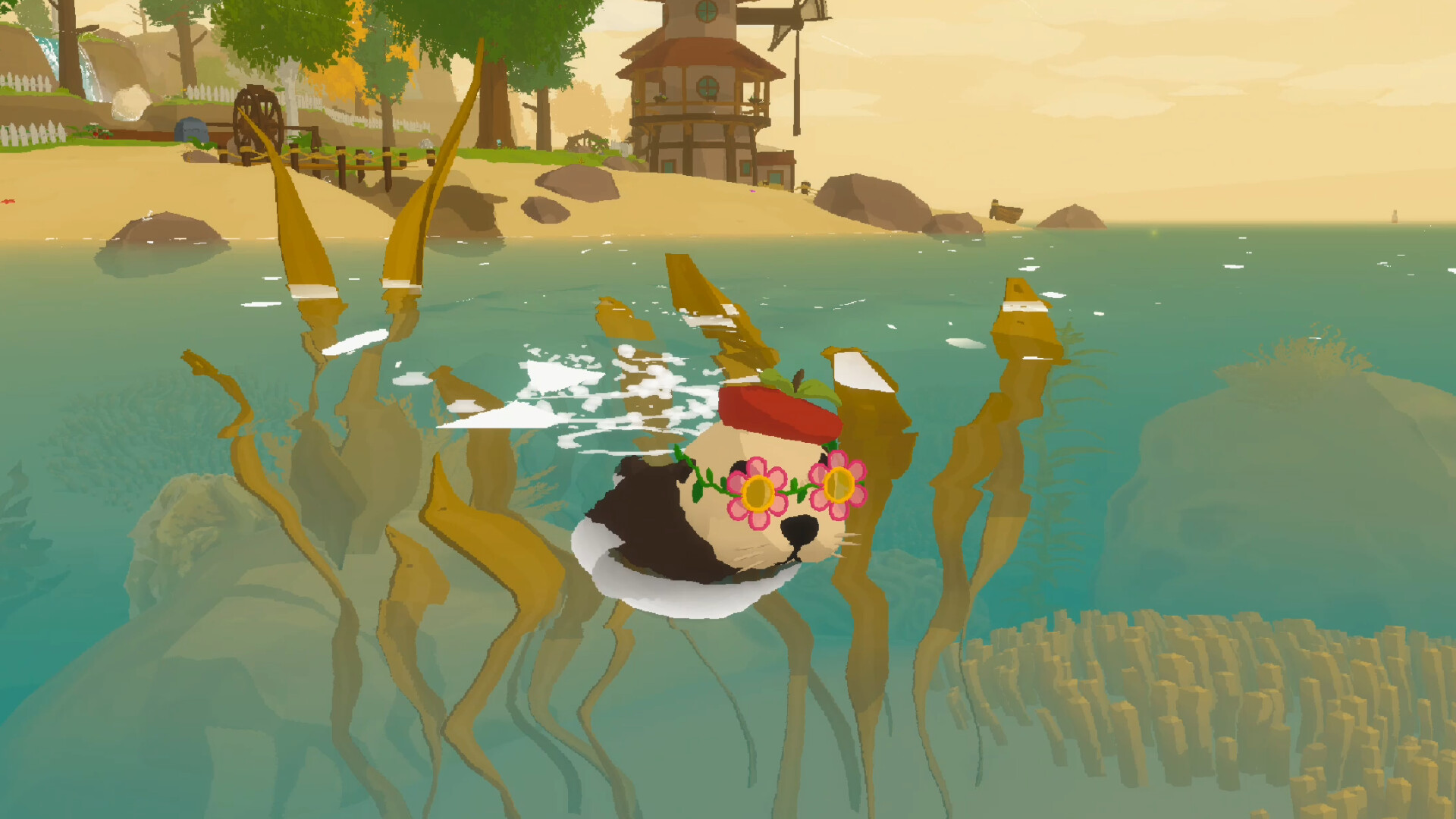
Otterly Lost follows Otto, a curious sea otter separated from home after a mysterious event.
The objective is getting back, but the game is deliberately interested in everything Otto finds along the way.
The open world mixes underwater exploration with shores, kelp forests, caves, rocky canyons, and other biomes. Otto can swim, dive, climb, glide, solve gentle environmental puzzles, help animals, hunt for treasures, and gradually improve his movement abilities.
This is not survival in the “your hunger meter is ruining lunch” sense. The emphasis is exploration, discovery, story, and low-pressure challenges.
Yes, the favorite rock matters
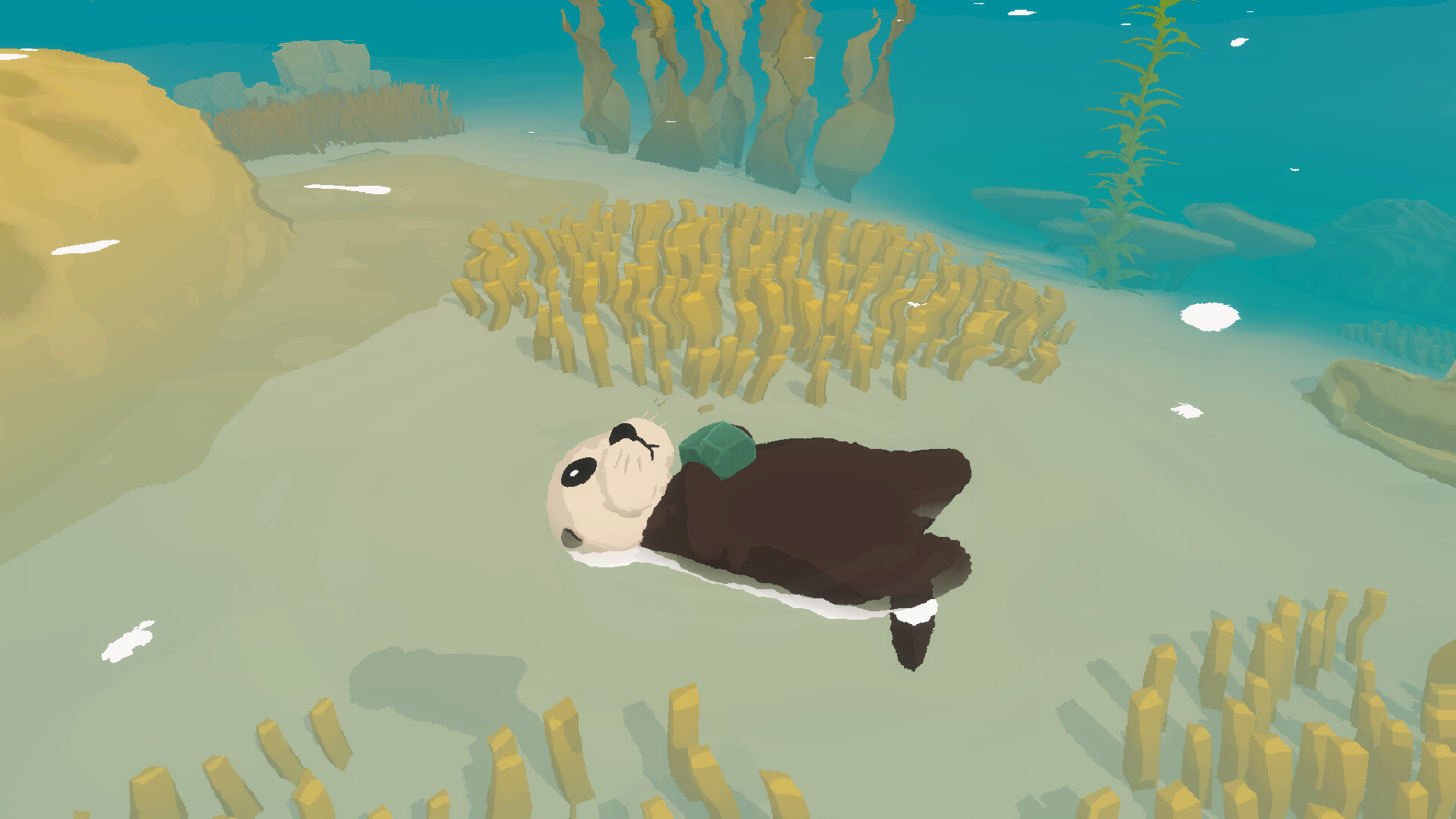
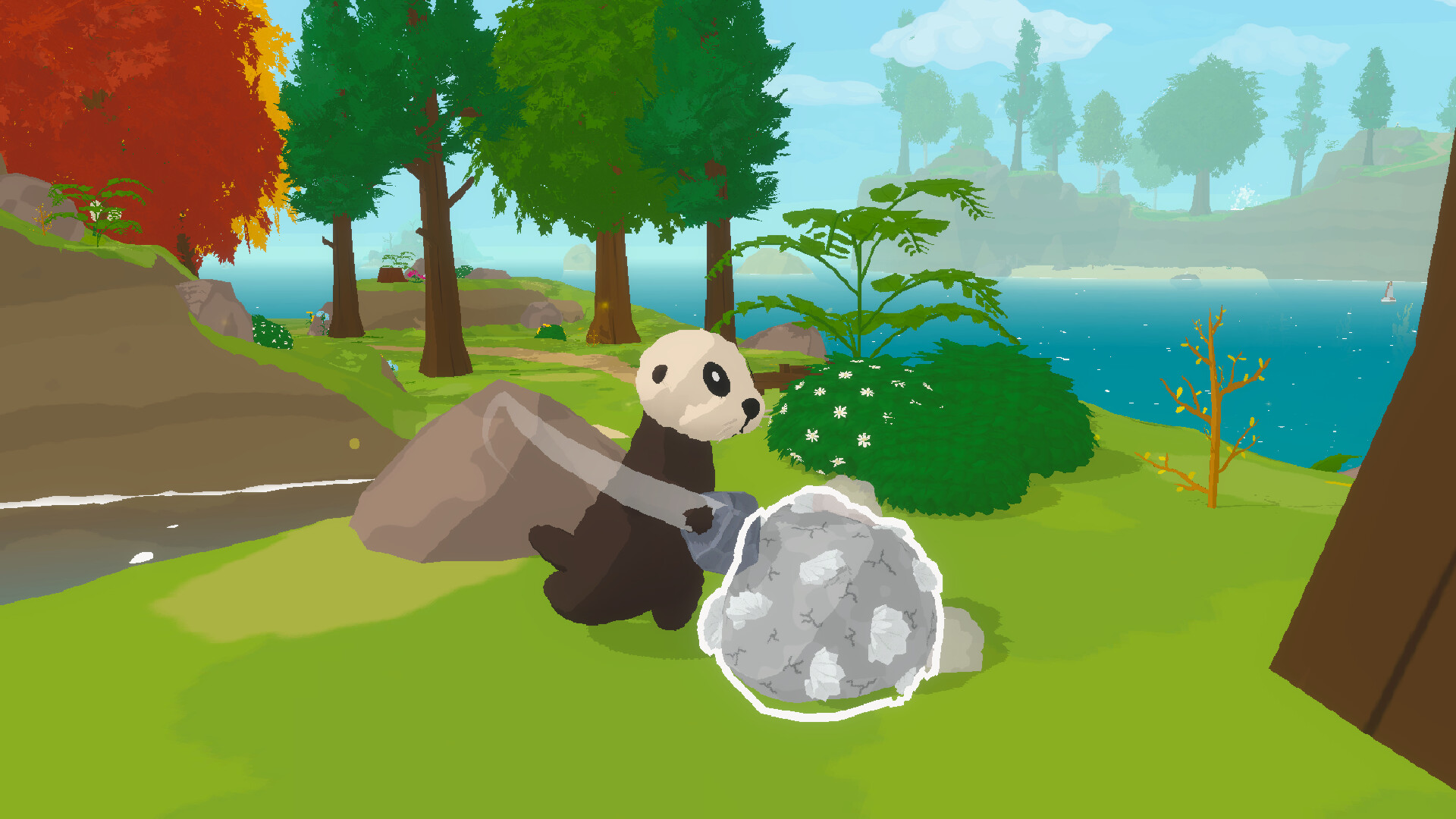
The rock is not just there because pictures of sea otters holding rocks are adorable.
Otto uses his favorite rock to break through obstacles, opening routes toward tools and treasure.
That is a surprisingly clever way to make a recognizable piece of real-world otter behavior part of the actual game language rather than leaving it as decoration.
It also gives Otterly Lost one of those tiny details that can sell the entire concept.
You are an otter.
You have a rock.
The rock is important.
Sometimes game design does not need a 40-minute developer presentation.
Swimming, climbing, gliding, and exploring
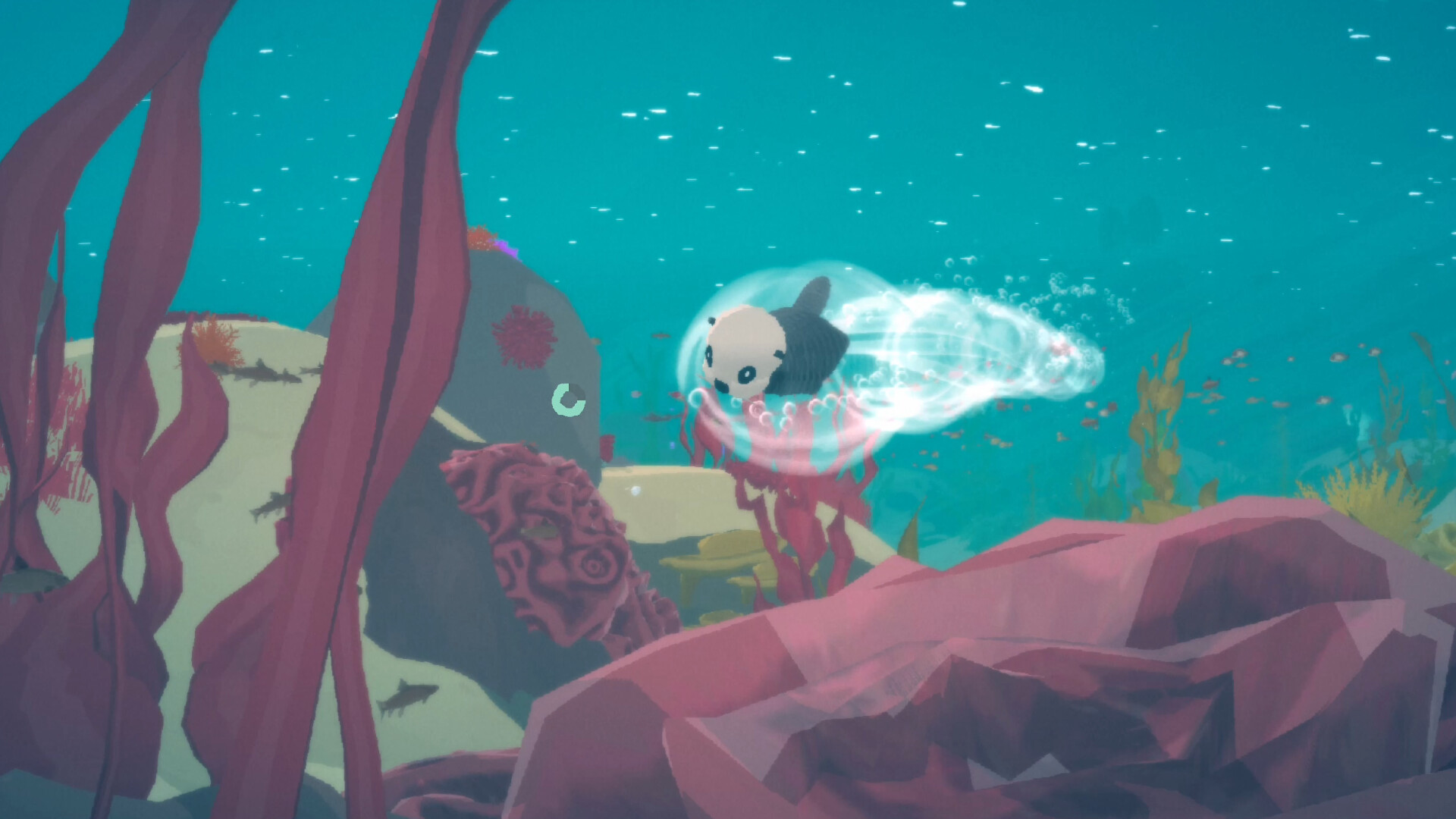
The movement system expands as Otto progresses.
Natural abilities can be upgraded so he swims faster, jumps higher, climbs more easily, and glides farther. That means new traversal options should gradually widen the space rather than leaving movement unchanged from beginning to end.
The combination of underwater and above-water exploration is particularly important.
Many cozy adventures have pleasant worlds, but Otto’s biology gives the developers a natural excuse to build vertically in both directions. A coastline is not a border. It is a transition between two playgrounds.
Kelp forests and submerged caves sit alongside sunny beaches and rocky climbs, allowing the game to change movement rhythm without changing protagonist.
The world is full of animal stories
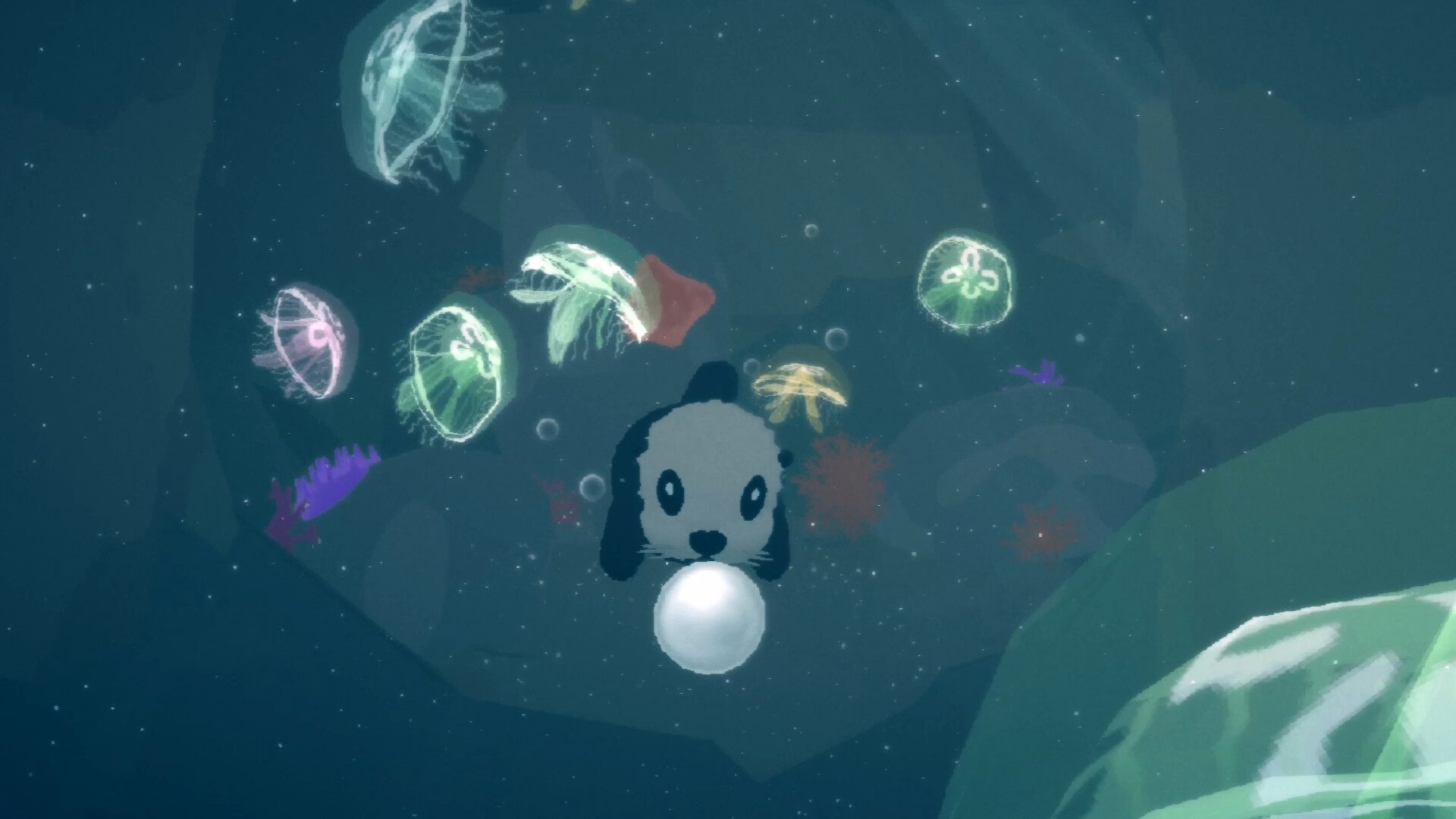
Otto is not wandering through an empty nature diorama.
Soulworks highlights a cast that includes an ancient turtle, an aspiring frog singer, and other animals with problems, stories, or guidance to offer.
Helping them gradually reveals how the world is connected, which ties the cozy quest structure into the game’s larger environmental theme.
There is also an important second progression system, hats.
Accessories and headwear can be found while exploring, acquired through trading, or picked up through cosmetic shops.
No, hats do not appear to help restore ecological balance.
They help Otto look spectacular while doing it, which is obviously different.
What changes in the full release?
The demo introduced the basic journey, but Soulworks says the release version expands considerably beyond that slice.
The full game includes Otto’s complete story, additional biomes above and below water, more characters, additional mechanics, new abilities, and the broader storyline around restoring the Balance as a Keeper.
The developers even disabled the old demo before release because development changes had altered the beginning significantly enough that its saves would no longer transfer cleanly.
The new introduction includes a prologue plus mechanics and tools that were not represented properly in the earlier build.
That is useful context for anyone who played the demo months ago. The full game is not simply that build with the invisible wall removed.
Planning to follow Otto home on Steam?
Steam gift card options on G2A.COM offer another way to add funds to a compatible Steam wallet.
Related games on G2A.COM
If Otto’s journey sounds like your kind of adventure, these games cover different parts of the same cozy-exploration territory. Some focus on freeform movement and helping friendly characters, while others lean harder into wildlife, ocean exploration, or emotional journeys through colorful worlds.
Quick pick: Start with A Short Hike if you mainly want relaxed movement and exploration, Lil Gator Game for another cheerful animal adventure, Alba for wildlife and conservation, ABZÛ for the underwater side of the fantasy, or Spiritfarer for a longer, more emotional cozy journey.
G2A Plus
G2A Plus members can earn Plus Points on eligible purchases and use them toward future orders. Premium also offers member pricing, up to 10% off up to 10 eligible items each month, regular rewards, and priority post-purchase assistance.
Who should play Otterly Lost?
Otterly Lost is aimed straight at players who want exploration without constant pressure.
If you like A Short Hike-style discovery, cozy animal adventures, light platforming, collecting accessories, or simply wandering around attractive spaces to see what lives behind the next rock, Otto’s journey fits comfortably into that lane.
It is probably not the right choice if you want demanding combat, survival management, dense RPG buildcraft, or punishing platforming.
The appeal here is gentler: explore somewhere pretty, help somebody strange, unlock a new movement ability, put an unnecessary hat on an otter, and keep heading home.
More cozy games on G2A News
- 15 Best Cozy Games to Unwind – including peaceful exploration, wildlife, and low-pressure adventures.
- Top Games for Wildlife and Ecosystem Management – for players interested in games where animals and ecosystems matter.
An otter, a journey, and one very good rock
Otterly Lost does not need to manufacture a complicated elevator pitch.
The protagonist is immediately lovable. The world is colorful. Swimming and climbing naturally create varied exploration. The challenges are deliberately gentle. And the favorite rock gives the whole thing a tiny recognizable detail with an unreasonable amount of charm.
Releasing during Sea Otter Awareness Week just makes the timing better.
Otto has somewhere to be.
But unlike Slow Roads, he should probably eventually get there.