

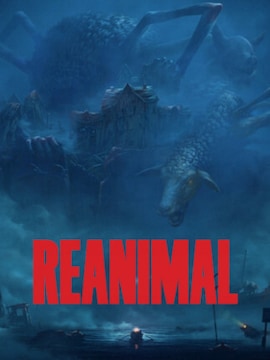


Reanimal launched on February 13, 2026 and it does not feel like a safe sequel. Tarsier Studios did not just tweak Little Nightmares and call it new.
The difference shows up in the first hour. The tone is heavier, the art style feels less stylized and more physical. Spaces have weight, and movement feels more grounded.
The game released at the same time on PC through Steam, PlayStation 5, Xbox Series X and S, and Nintendo Switch 2.
Platforms and Performance
All versions launched together, and they work well. The PC version runs smoothly on midrange hardware. Consoles hold steady frame rates, even in busier scenes. Switch 2 lowers lighting quality and texture sharpness, but performance stays stable.
Friend’s Pass and Why Co-op Matters
Friend’s Pass works exactly as expected. One person buys the game. A second player joins the full campaign for free.
That sounds simple, but it changes everything. Reanimal clearly expects two real players reacting in real time. Solo mode with AI exists and functions, but something feels different. The tension drops and decisions feel less urgent. You solve puzzles instead of surviving them.
In co-op, hesitation matters. You plan together, fail together, and recover together. That shared stress drives the experience more than scripted scares.
The Camera Shift Changes Everything
The move from side scrolling to a dynamic camera is not just visual polish.
You can no longer read a room instantly. Sometimes you misjudge distance, and that mistake costs you. Fear works differently when you cannot predict what the camera will show next.
Combat and Survival
You are not fighting to dominate. You are fighting to survive.
Combat stays limited and uncomfortable on purpose. Avoiding danger works better than charging into it. Running often makes more sense than standing your ground. The game rewards patience, so watch enemy patterns and wait for the right moment.
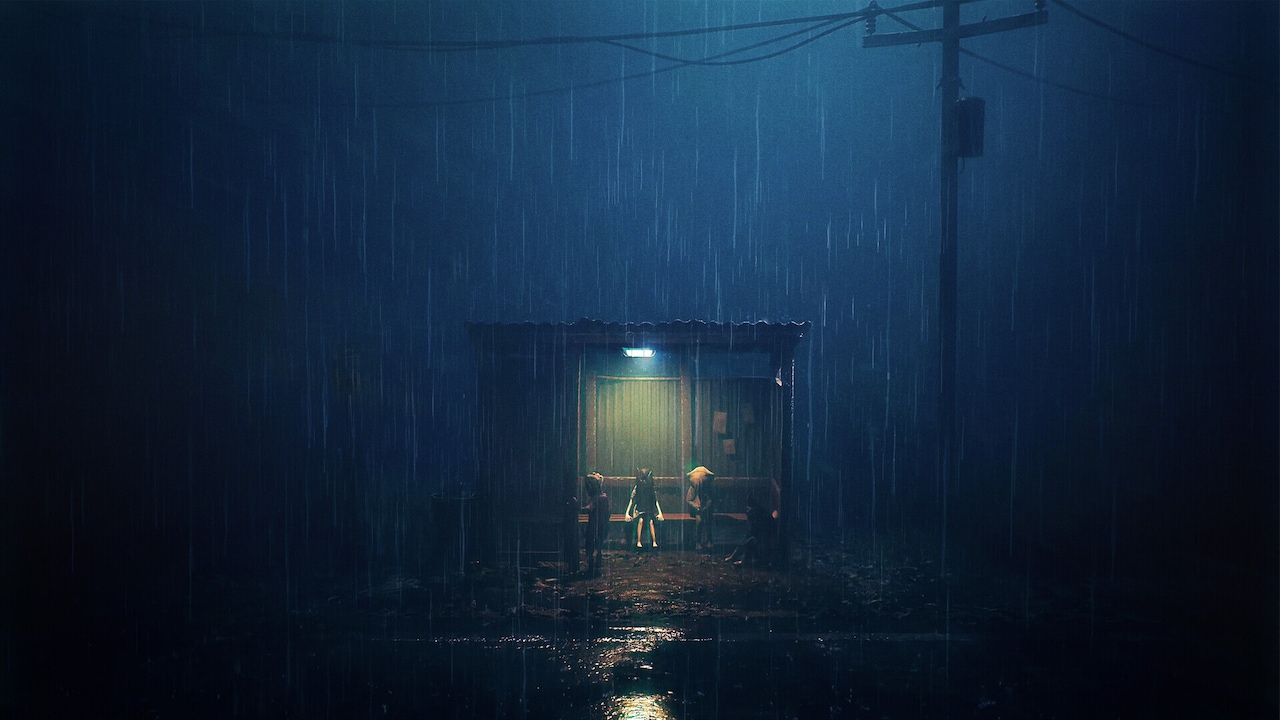
Many puzzles require coordination. One player holds something in place, the other moves forward. One distracts, the other slips through. Short separations feel tense because regrouping is never guaranteed.
Story and Setting
The story follows a brother and sister returning to the island where they grew up. At first, that sounds simple and familiar. In practice, it turns into something much more unsettling.
The island is still there, and most of the buildings are standing. Nothing looks completely destroyed. Still, something feels off the moment you start moving through it. Angles seem slightly wrong, rooms feel larger or narrower than they should, and places you almost recognize make you hesitate before you understand why they feel strange.
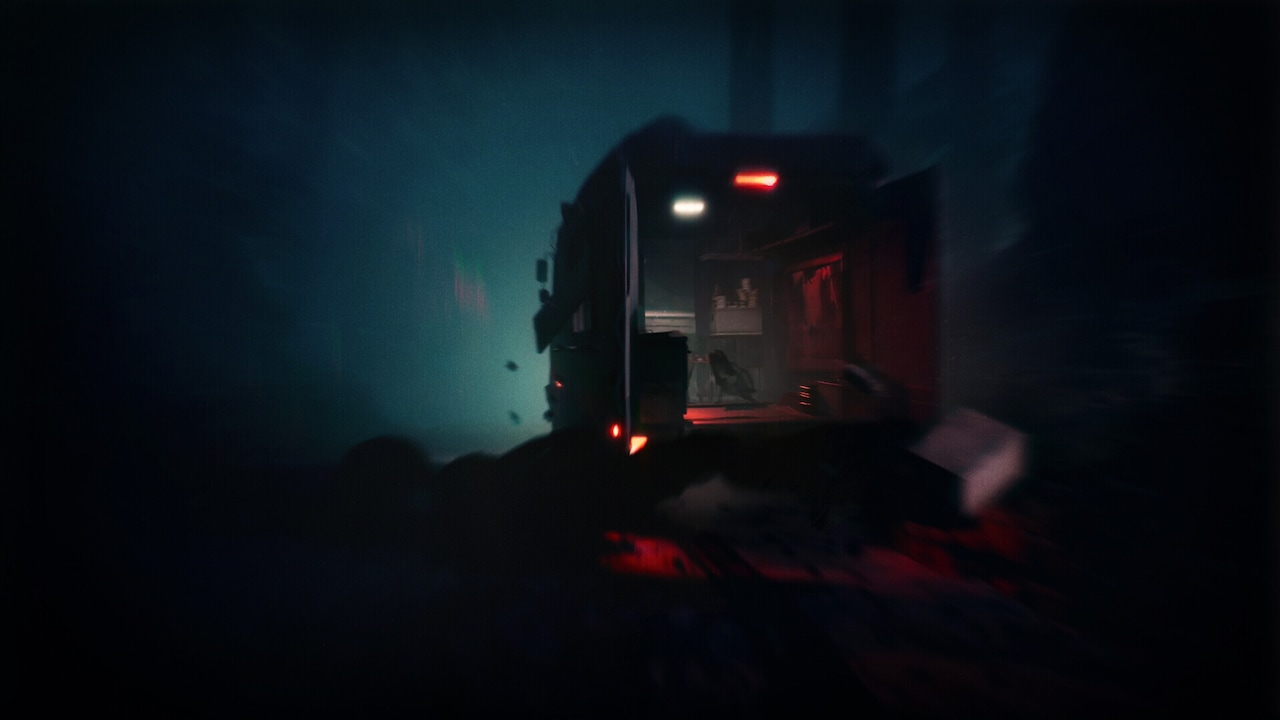
There are reminders of childhood everywhere. An old amusement area sits abandoned. Houses look preserved, but in a way that feels staged rather than lived in. Some rooms feel less like real spaces and more like memories rebuilt from fragments.
The Creatures
The enemies feel like they belong to the island. They do not come across as random threats placed there just to create danger. Their presence feels connected to the place itself.
Some of them move in ways that seem almost human, but something about their posture or timing feels wrong. Others look distorted, like figures remembered imperfectly after many years. You may not always remember the details, but their silhouettes tend to stick in your mind longer than any sudden scare.
Reanimal does not stop to explain what any of it means. Instead, it lets you notice the patterns on your own. A room arranged with strange precision. A corridor that looks familiar, but slightly altered from somewhere you have already been. The game leaves space for you to interpret what you are seeing rather than spelling it out.
Fear and guilt run quietly beneath the surface. The story never announces these themes or points to them directly. You sense them through the atmosphere, through the environment, and through the way the world reacts to the characters.
Reception After Launch
The reaction has been steady.
Most players highlight atmosphere first. Sound design gets frequent praise, especially in quiet segments where tension builds without obvious cues. The new camera receives credit for making familiar horror techniques feel less predictable.

There are criticisms: the middle chapters slow down noticeably, solo mode feels thinner. Without another person beside you, certain scenes lose intensity.
Still, the overall response remains positive. The game commits to its tone. It does not shift toward action to chase a wider audience.
What This Means for Tarsier
Reanimal feels like Tarsier stretching its legs and trying something that actually changes how you play, not just how the game looks. The uneasy atmosphere is still there, and you still feel small and exposed, but the new camera and co-op focus shift the rhythm in a noticeable way.
Instead of going bigger, the studio went more focused. The game sticks to tension, shared problem solving, and environmental storytelling without padding it out.
The February 13 release feels like a real turning point. Whatever Tarsier works on next will probably grow from this direction, not fall back on what already worked.