


Romeo is a Dead Man launches February 11, and the chaos isn’t accidental. Goichi Suda (Suda51) and Ren Yamazaki didn’t polish the game into something safe. They let it stay messy, risky, and unpredictable, just like the way they made it.
While most action games lock into systems that play it safe, Grasshopper still trusts instinct over planning. They treat confusion, tension, and improvisation not as flaws, but as fuel.
What We Know So Far about Romeo Is a Dead Man
- Launch date is set for February 11
- Final trailer features new music
- Developers shared how Romeo’s character, story, and combat came together through improvisation
- No rigid roadmap, combat and pacing stayed fluid until the end
Character and Story
This isn’t some modern-day Shakespeare riff. The name was always Romeo, but the drama stops there. Juliet was a side note at first, then grew into a core character as the story evolved. Suda calls Romeo the opposite of Travis Touchdown: sincere, simple, and grounded. The DeadMan nickname stuck once it gave the character some edge. That was the moment it all clicked.
Right from the start, the game pulls you in with confusion. That’s on purpose. Suda says they packed the intro with chopped-up, half-formed ideas they didn’t want to waste. The result? A cold start that throws you into action without warmup. For Yamazaki, that disorientation is part of the charm. You’re not supposed to feel in control.
Combat and Mechanics
Aggression is the baseline. Yamazaki pushed for a constant sense of motion and pressure, with no real downtime and very little defensive pacing. Every animation and mechanical tweak was tuned to keep players attacking and moving forward.
There’s a clear tension between melee and ranged combat. You can rely on shooting, and it’s safer, but it won’t charge the Bloody Summer gauge. That meter only fills when you fight up close. Every encounter becomes a choice: play it safe and stay underpowered, or commit to close combat and unlock your strongest abilities.
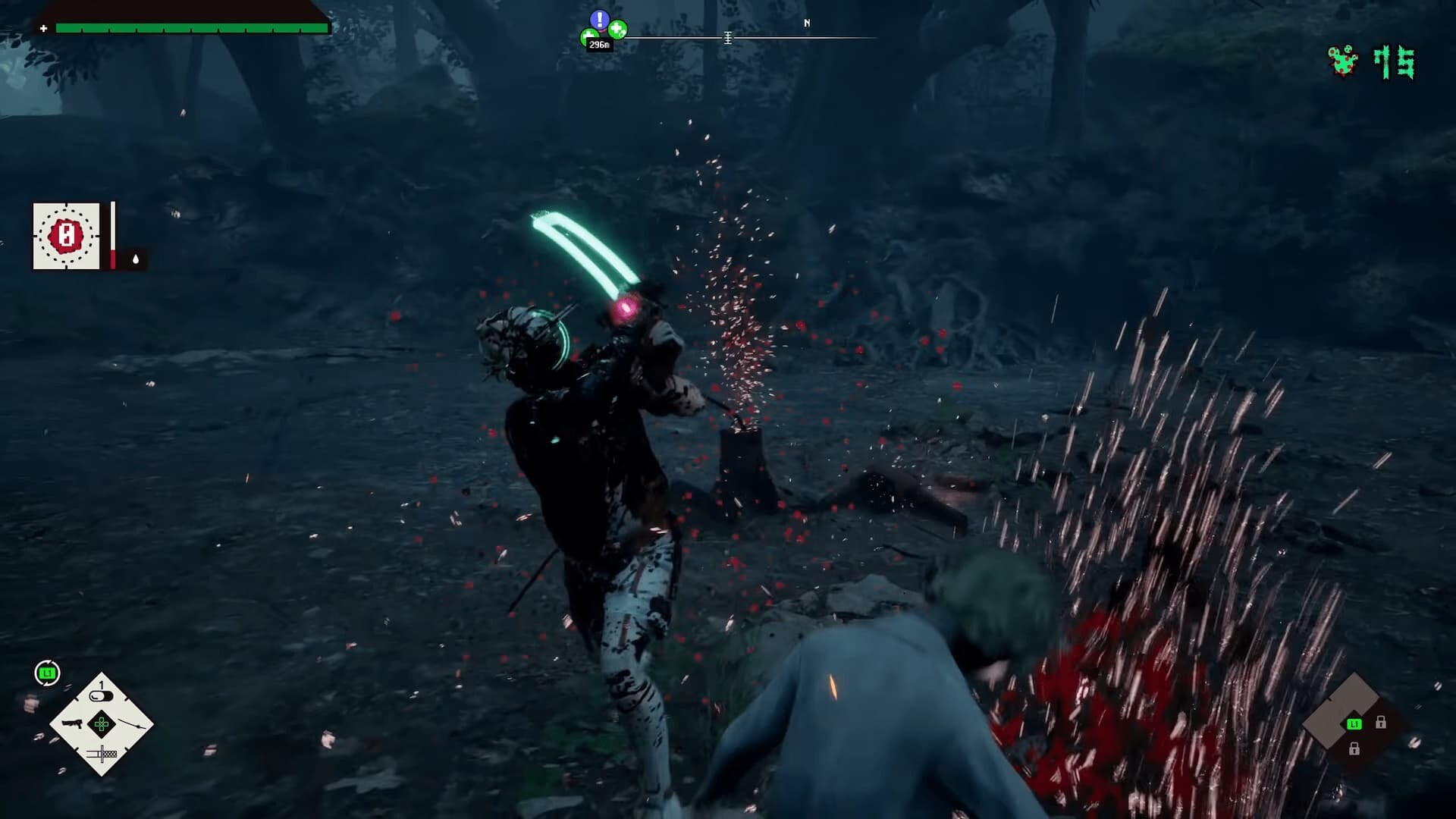
Bloody Summer is all about payoff. Suda focused heavily on impact, making sure hits felt personal and decisive. Enemy reactions and spacing were refined until finishers landed like true final blows, not just flashy extra animations.
Then there’s the Bastard system. Bastards are support units you grow, summon, and slot directly into your build. Some Bastards explode, others freeze enemies or break formations, and with the right upgrades they can outperform traditional weapons.
How the Game Was Made
There’s no strict pipeline guiding development and no rigid production flow. The team doesn’t work from a locked plan. Meetings are often improvised, with ideas shared in real time and judged by how they feel in play. Around half the team was new to Grasshopper, which made the process messy, but also honest and unfiltered. Some developers didn’t fully grasp what the game was becoming until late in the debugging phase.
This approach reflects Suda’s belief that a sharp game needs a flexible process. Creative freedom is essential when the goal is to chase feel rather than follow a checklist. Systems like Bloody Summer and the Bastards were allowed to keep evolving deep into development because they weren’t forced into fixed shapes early on. They had time to grow naturally.
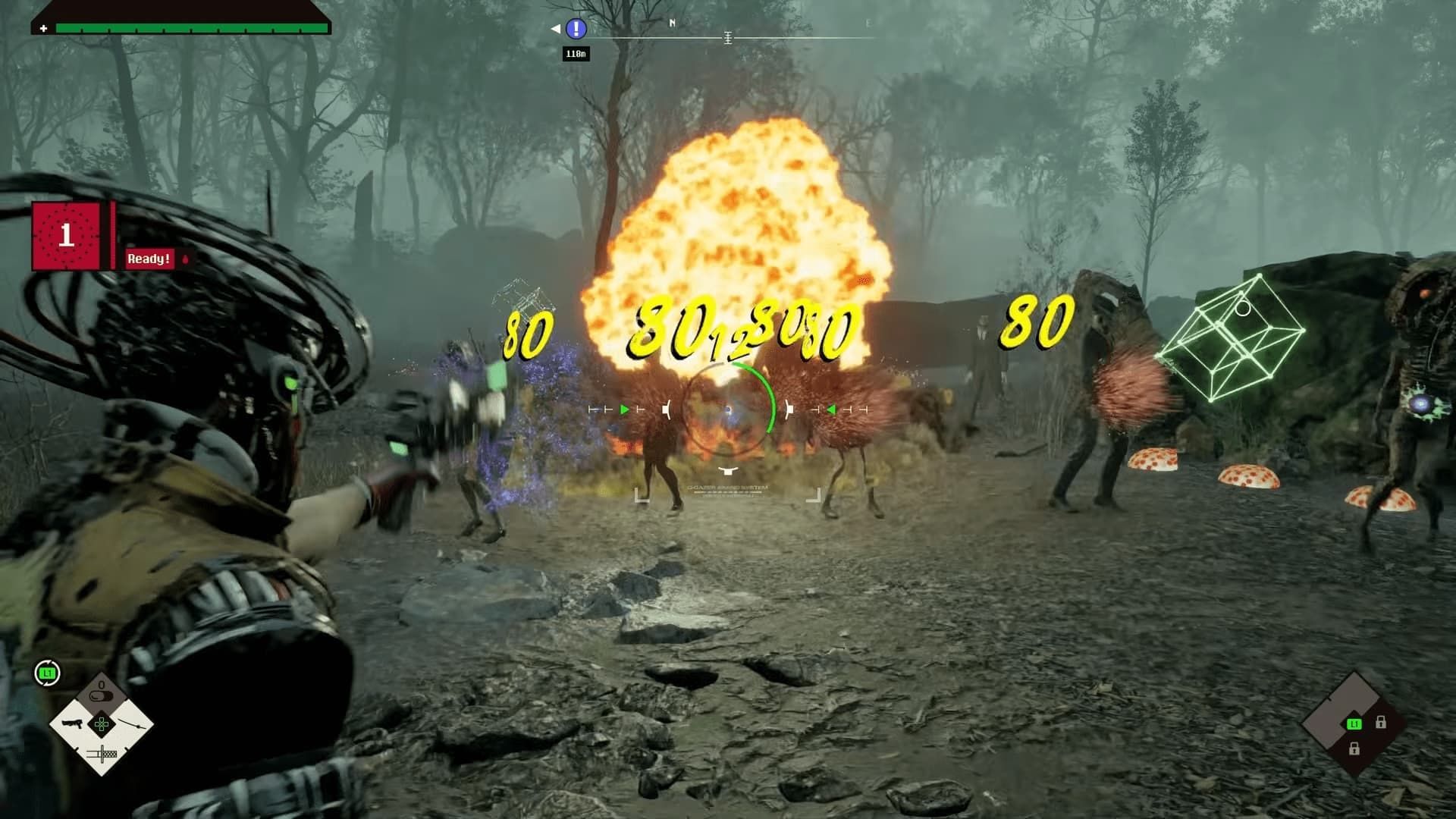
That mindset defines the Grasshopper philosophy. Flaws aren’t treated as problems to be eliminated but as part of the identity of the game. Yamazaki compares their work to heavy ramen: thick, rich, and intense, designed to leave a strong impression. Even when the team tries to make something lighter, they tend to add more spice.
Suda often talks about the industry being filled with clean, well-balanced games that are technically perfect but easy to forget. Grasshopper aims for something more human. Their games are clumsy, strange, and alive, shaped by instinct rather than polish, and built to stay with players long after they’re finished.
Romeo is a Dead Man doesn’t chase balance or approval. It’s raw and a little unstable, but built on purpose. For players who want something that feels like it came from a team willing to take risks, this one won’t feel like anything else.