

Before Souls games started terrifying us with that infamous “You Died” screen, there was another title doing the same thing — with fewer pixels, but just as much cruelty. Back in the ‘80s, Ninja Gaiden could crush the spirit of even the toughest players — usually before they made it to the second boss.
This was a game that didn’t care whether you had time or nerves of steel. It threw a shuriken straight at your face and told you to keep going. That’s how one of the most legendary action franchises in gaming history was born — the Ninja Gaiden series history began, starring Ryu Hayabusa, a ninja with nerves of steel and deadly precision.
| Game | Release | Genre | Developer | Video | |
|---|---|---|---|---|---|
 | NINJA GAIDEN: Master Collection | 2021-06-10 | Action | Team Ninja | |
 | NINJA GAIDEN 2 Black | 2025-01-23 | Action | Team Ninja | |
 | Ninja Gaiden 3: Razor's Edge | 2013-04-02 | Action | Team Ninja | |
 | NINJA GAIDEN 4 | 2025-11-06 | Action | Team Ninja |
More than three decades later, we’re talking about a saga that not only survived the test of time but helped define the hack and slash genre on consoles. It’s a story of grit, skill, and constant evolution — the true tale of the Ninja Gaiden series history.
NES Origins — When the Ninja Ruled the 8-Bit World
Ninja Gaiden debuted on the NES in 1988 and quickly earned a reputation as one of the toughest games of its time. Fast-paced, ruthless, and with music that stuck in your head for days, it proved you didn’t need fancy graphics to be completely hooked. Each level felt like an obstacle course — enemies jumped out of nowhere, platforms disappeared at the worst possible moment, and bosses could break the will of even the most determined players.
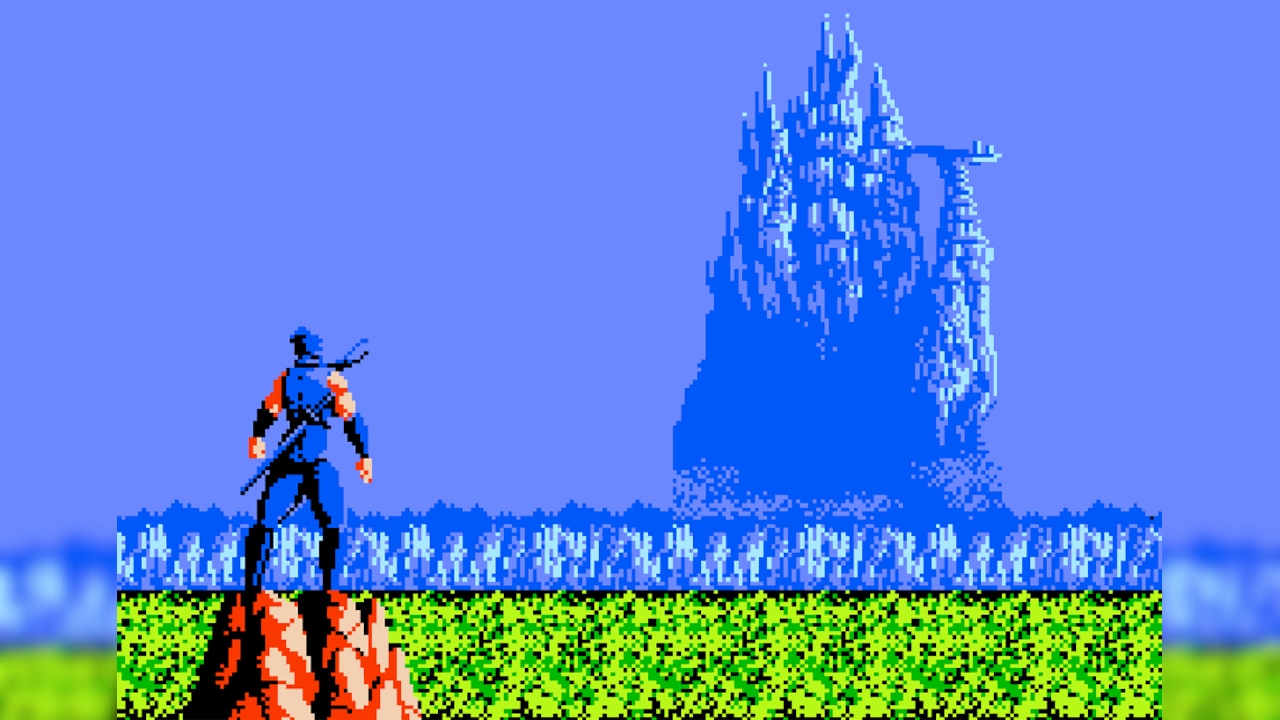
Thanks to its groundbreaking cutscenes — the most elaborate of their era — the game made history as a pioneer of cinematic storytelling, blending relentless action with narrative flair unheard of in platformers back then.
And yet, despite that brutal difficulty curve, millions of players kept coming back. Ryu Hayabusa wasn’t some invincible superhero — he was a warrior who had to memorize every enemy move by heart. Ninja Gaiden was a test of reflexes, patience, and determination — but presented in such a way that every “Game Over” made you want to try again.
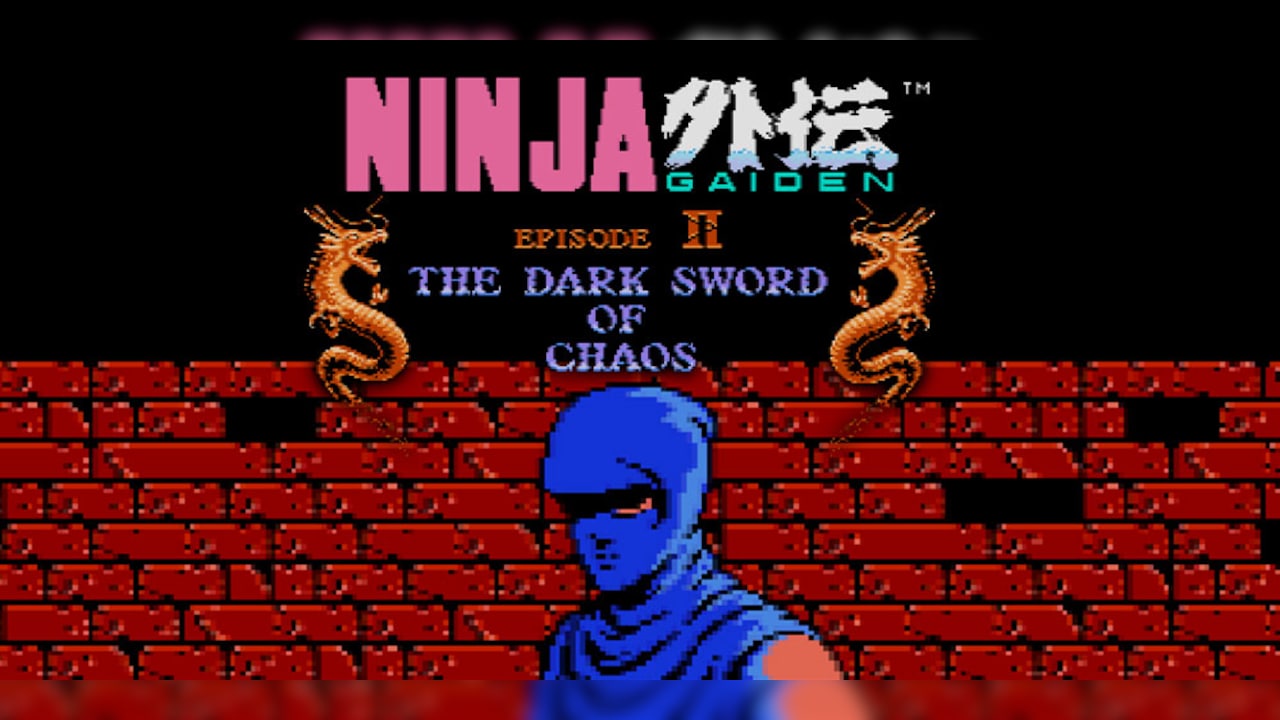
The success of the first game quickly led to sequels: Ninja Gaiden II: The Dark Sword of Chaos (1990) and Ninja Gaiden III: The Ancient Ship of Doom (1991). The trilogy closed out the golden era of NES classics, showing just how far developers could push the limits of a console that could barely handle more than a handful of moving sprites on screen.
The 3D Era — Team Ninja, Itagaki, and Ninja Gaiden Black
When the next generation of consoles arrived, many assumed Ninja Gaiden would stay a relic of the 8-bit past. But in 2004, Team Ninja, led by Tomonbu Itagaki (who passed recently…), proved that legends can rise again. The new Ninja Gaiden on Xbox blew everyone away with its lightning-fast pace, brutal precision, and the pure joy of every perfectly executed strike.
Itagaki, famous for his obsession with detail, wanted players to feel like true warriors. Every hit had weight; every mistake cost you your life. This was action combat in its purest form — fast, technical, and merciless. At a time when most action games focused on flashy visuals, Ninja Gaiden demanded focus and mastery, earning a reputation as one of the hardest yet most rewarding titles on the Xbox.
A year later came Ninja Gaiden Black — polished to perfection. The balance was refined, new modes and weapons were added, and the combat became even sharper. For many, this is the definitive high point of Team Ninja’s work.
Then came Ninja Gaiden Sigma (2007) — a remastered version for PS3, still with Itagaki involved. Ninja Gaiden II (2008) expanded the combat system even further, while Ninja Gaiden: Dragon Sword proved the franchise could even thrive on handheld consoles. Sigma 2 (2009) was the first entry made without Itagaki, and you could feel the shift in tone immediately.
Even so, the Ninja Gaiden series history continued. Ninja Gaiden 3 (2012) experimented with new mechanics and a different take on Ryu Hayabusa, showing that Team Ninja wasn’t afraid to take risks — even if it meant upsetting longtime fans.
Reboots and Legacy — How Ninja Gaiden Endured the Test of Time
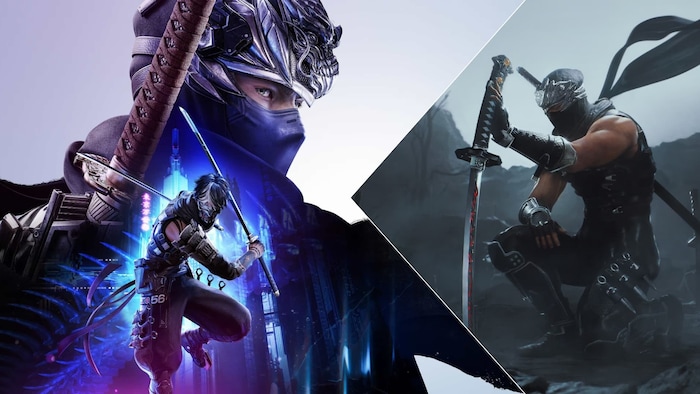
After Ninja Gaiden 3, it seemed like Hayabusa’s blade had dulled under the weight of too many experiments. But Team Ninja wasn’t ready to hang up the sword just yet. In 2021, the Ninja Gaiden: Master Collection reminded the world of the series’ brutal elegance, giving a new generation of players the chance to face that infamous difficulty curve all over again.
The following years brought more than nostalgia. In 2025, Ninja Gaiden 2 Black — a lovingly crafted remaster built in Unreal Engine 5 — hit the market, proving that even decades later, the same fights could still thrill with their speed and fluidity. Not long after, Ninja Gaiden: Ragebound was released, showing that the spirit of the old NES classics could live on in a modern, cinematic form. Dynamic, spectacular, and still demanding, Ragebound became a love letter to fans raised on pixels and patience.
Soon after its release, players finally heard the words they’d been waiting for: the announcement of Ninja Gaiden 4, set to launch on October 21, 2025. This upcoming Ninja Gaiden reboot promises to blend veteran experience with the fresh energy of a new Team Ninja crew. The creators vow a return to the roots — that merciless rhythm, the deep combat system, and that same feeling of satisfaction from every perfect strike that made the series legendary.
More than thirty years after its NES debut, the Ninja Gaiden series history still defines what it means to be a challenging action game. From humble pixels to hyper-realistic battles, the spirit of Ryu Hayabusa has endured every era. And judging by Team Ninja’s plans, his legend is only getting started.