



Quick definition
A glass cannon is a character, build, or playstyle that deals extremely high damage but has very low health or defenses. The idea is simple: you can eliminate enemies quickly, but you’re also easily defeated if they hit you.
Glass cannon builds are common in RPGs, MOBAs, shooters, and action games where players can customize their stats or equipment.
Table of Contents
What does Glass Cannon mean in gaming?
In gaming, glass cannon describes a high-risk, high-reward playstyle. Players sacrifice survivability in exchange for maximum offensive power.
A glass cannon typically has:
- Very high damage output.
- Low health or armor.
- Limited defensive abilities.
- Heavy reliance on positioning and movement.
The term comes from the idea of a powerful cannon made of glass—it can deal devastating damage but breaks easily under pressure.
Glass cannons are often played by experienced players who are confident in their ability to avoid taking damage.
How a Glass Cannon works
Glass cannon builds prioritize offensive stats over defensive ones.
Players often invest in:
- Attack damage
- Critical hit chance
- Critical damage
- Spell power
- Attack speed
Instead of:
- Health
- Armor
- Magic resistance
- Shields
- Damage reduction
For example:
A player chooses equipment that increases damage by 40% but gives no defensive bonuses. As a result, enemies are defeated much faster, but even a few attacks can eliminate the player.
Because of this trade-off, glass cannons depend on:
- Good positioning.
- Fast reactions.
- Dodging attacks.
- Eliminating threats before taking damage.
Best game example: Diablo IV
Diablo IV is an excellent example of the glass cannon playstyle because many endgame builds focus on maximizing damage at the expense of defense.
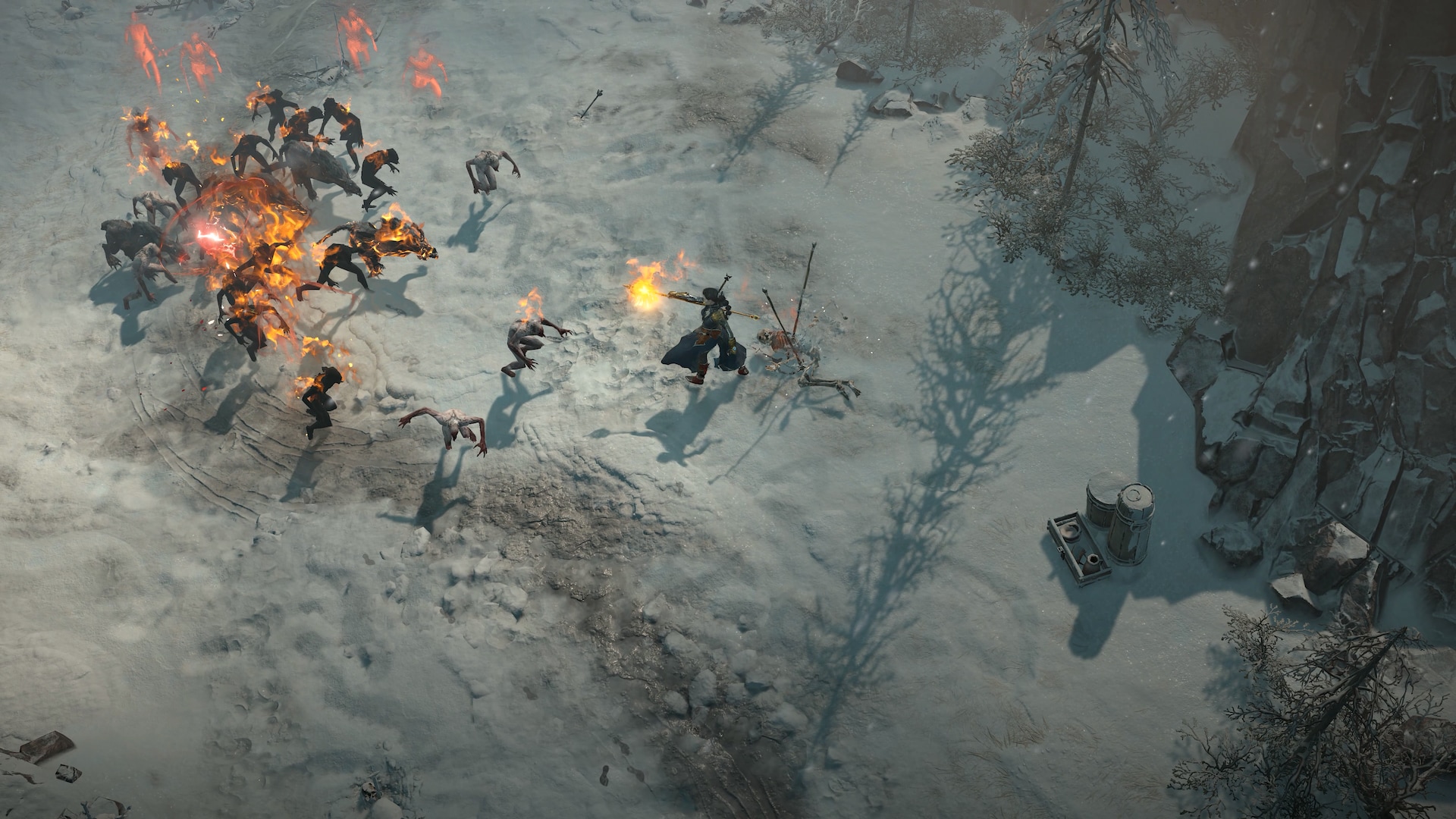
For example, Sorcerer builds often stack bonuses to Critical Strike Damage, Vulnerable Damage, and elemental effects while relying on movement, crowd control, and defensive cooldowns to stay alive. These builds can clear large groups of enemies quickly, but poor positioning or mistimed abilities can lead to a rapid defeat.
Diablo IV demonstrates the strengths and weaknesses of a glass cannon perfectly: incredible offensive potential balanced by constant pressure to avoid incoming damage.
How Glass Cannons differ between games
Different games implement the glass cannon concept in different ways.
Diablo IV: High-risk character builds
Players can prioritize offensive gear and talents to maximize damage, sacrificing durability for faster dungeon clears and boss kills.
Diablo IV
Release Date: October 17, 2023
Genres: Role-playing (RPG), Hack and slash/Beat 'em up
League of Legends: Marksmen and mages
Champions such as Jinx or Veigar can deal enormous damage in the late game but are highly vulnerable if enemies reach them. Good positioning and team protection are essential.
Path of Exile: Extreme build customization
Players can invest heavily in offensive passive skills and equipment, creating characters capable of massive damage while leaving little room for defensive mistakes.
Path of Exile 2
Release Date: January 1, 1970
Genres: Role-playing (RPG), Hack and slash/Beat 'em up, Adventure
Borderlands 3: Damage-focused skill trees
Certain character builds dramatically increase weapon damage while relying on mobility, shields, or careful positioning instead of high health.
Borderlands 3
Release Date: April 01, 2020
Genres: Shooter, Role-playing (RPG), Adventure
These examples show that being a glass cannon doesn’t always mean having the lowest health—it means prioritizing offense over defense.
Why Glass Cannon matters
Understanding the glass cannon archetype helps players:
- Build characters that match their preferred playstyle.
- Understand the trade-offs between offense and defense.
- Improve positioning and movement.
- Recognize why some characters deal huge damage but die quickly.
- Make smarter equipment and skill choices.
Not every player enjoys the constant risk of playing a glass cannon. Some prefer more balanced or defensive builds, while others enjoy maximizing damage even if it leaves little room for mistakes.
Common mistakes or misunderstandings
Glass Cannon does not mean weak
Glass cannon characters are often among the strongest damage dealers in a game. Their weakness lies in survivability, not offensive power.
More damage is not always better
A build that sacrifices all defensive options may struggle in difficult content if the player cannot consistently avoid damage.
Every game defines survivability differently
Some games use health and armor, while others rely on dodge mechanics, shields, mobility, or temporary invulnerability. A glass cannon can still have defensive tools—it simply doesn’t rely on absorbing hits.
Glass Cannon is an archetype, not a class
Any class can become a glass cannon if the game’s build system allows players to prioritize offense over defense.
Related gaming terms
Tank
A character built to absorb damage and protect teammates.
DPS (Damage Per Second)
A role or measurement focused on dealing damage.
Burst Damage
High damage delivered in a short amount of time.
Lifesteal
A mechanic that restores health based on damage dealt.
Critical Hit
An attack that deals increased damage.
Min-Maxing
Optimizing a build by maximizing desired strengths while minimizing less important attributes.
FAQ
What does glass cannon mean in simple terms?
A glass cannon is a character or build that deals very high damage but has very low defenses.
Why is it called a glass cannon?
The name compares the character to a cannon made of glass: powerful enough to destroy enemies but fragile enough to break easily.
Which games have glass cannon builds?
Games such as Diablo IV, League of Legends, Path of Exile, Borderlands 3, and many RPGs allow players to create glass cannon builds.
Is a glass cannon good for beginners?
Usually not. Because these builds are fragile, they require good positioning, timing, and knowledge of enemy attacks.
What is the opposite of a glass cannon?
A tank or defensive build, which sacrifices damage in exchange for higher health, armor, or survivability.