



A pity system is a reward mechanic that protects players from extremely bad luck.
It guarantees, or gradually improves the chance of receiving, a rare reward after a certain number of unsuccessful attempts.
You will usually find pity systems in gacha games, loot-based RPGs, character collectors, and games built around random reward pools. The main purpose is simple: players may still get lucky early, but they should not be able to fail forever.
TL;DR – Quick Definition
- A pity system limits how unlucky a player can be in a random reward system.
- After enough failed pulls, rolls, or summons, the game guarantees or improves the chance of a rare reward.
- Pity systems are common in gacha games, collectible games, loot-based RPGs, and some MMORPG reward systems.
- Common types include hard pity, soft pity, and featured pity.
- Genshin Impact is one of the most famous examples because its Wish system has clear 5-star guarantee rules.
Table of Contents
What does Pity System mean in gaming?
In gaming, a pity system is a safety net built into random reward mechanics. Instead of leaving every pull or loot roll entirely to chance, the game tracks failed attempts and eventually gives the player protection against extreme unlucky streaks.
Without pity, a player could theoretically spend hundreds of pulls chasing a rare character, weapon, card, or item and still never receive it. A pity system reduces that risk by adding a guaranteed reward, increased odds, or a featured-item guarantee after certain conditions are met.
Pity systems are most common in:
- Gacha games
- Character collection games
- Loot-based RPGs
- Trading card and collectible games
- Some MMORPG reward systems
Players often track pity carefully because it affects when they should spend currency, when they should save, and whether a specific banner or event is worth committing to.
Worth Knowing: A pity system does not remove randomness. It simply makes sure that bad luck has a limit.
How a Pity System works
The details change from game to game, but most pity systems follow the same basic structure.
1. The player makes a pull
This could be a summon, wish, loot roll, pack opening, or reward claim.
2. The rare reward does not appear
If the player misses the high-rarity reward, the pity counter increases.
3. The pity threshold gets closer
The game may increase the drop chance or simply keep counting toward a guaranteed reward.
4. The reward is guaranteed or improved
After the required number of attempts, the game gives the player a high-rarity reward or greatly improves the odds.
5. The counter resets
Once the protected reward is obtained, the pity counter usually returns to zero for that banner or reward pool.
For example, a game might guarantee a legendary character within 90 pulls. Another game might start increasing the legendary drop rate after 70 failed attempts. A third game might guarantee a featured character only after the player first receives a different high-rarity reward.
Types of Pity Systems
Hard pity
Hard pity means the reward becomes guaranteed at a fixed number of attempts. For example, a game may guarantee one legendary reward at 100 pulls if the player has not received one earlier.
Soft pity
Soft pity means the odds start improving before the guaranteed limit. The player can still get lucky earlier, but the chance becomes better as they approach the pity cap.
Featured pity
Featured pity protects players chasing a specific promoted reward. If they miss the featured character or item, a later high-rarity pull may be guaranteed to be the featured one.
Some games use only one of these systems, while others combine several layers of pity at the same time.
Best example: Genshin Impact
Genshin Impact is one of the clearest modern examples of a pity system because its Wish system is built around visible guarantees and heavily tracked by the community.
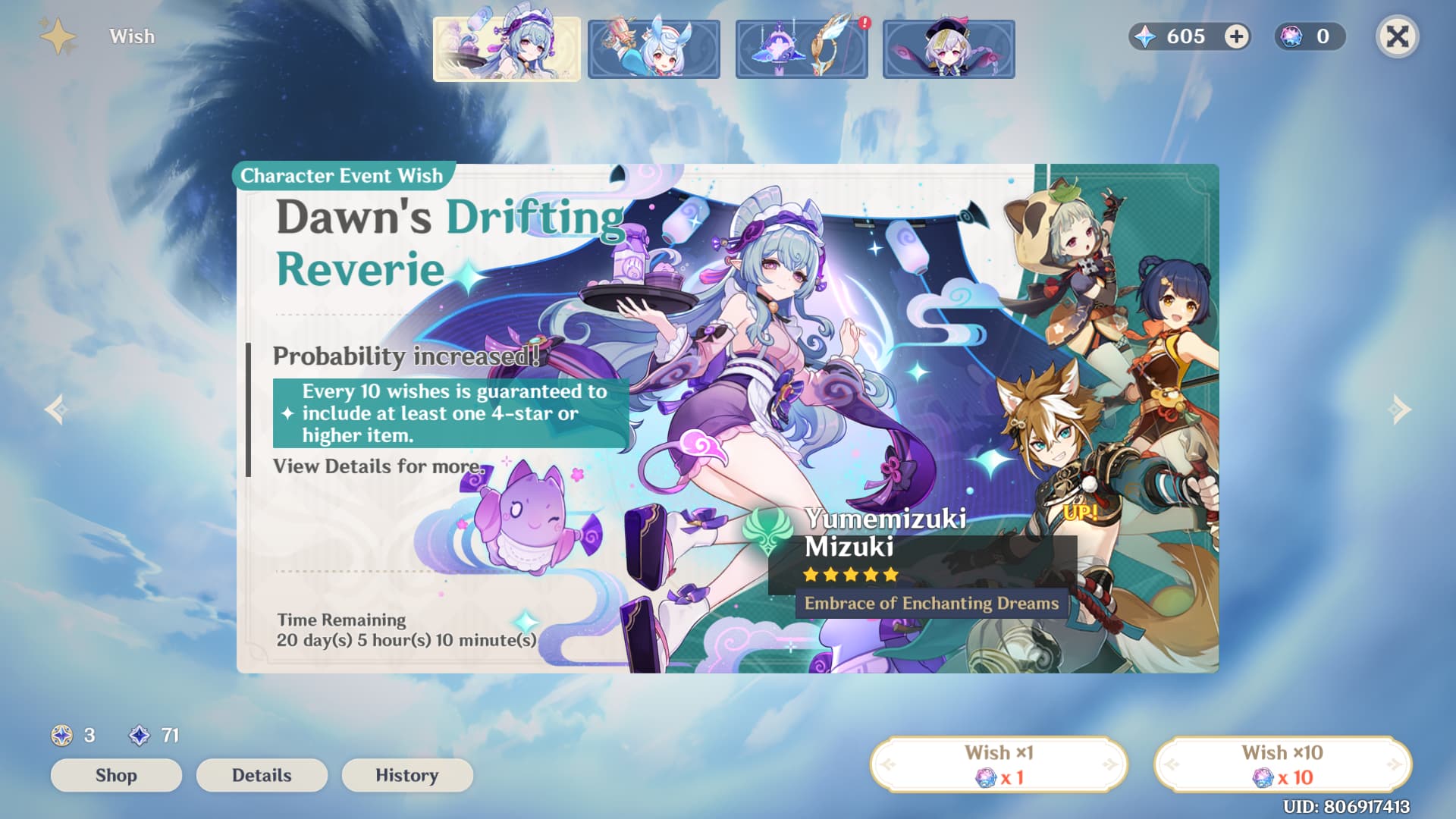
On Character Event Wishes, HoYoverse states that players are guaranteed a 5-star character within 90 Wishes.
When a 5-star character appears, there is a 50% chance it will be the featured promotional character. If the player receives a non-featured 5-star character instead, the next 5-star character from that banner type is guaranteed to be the featured one.
This is why Genshin Impact players often talk about pity counters, 50/50s, guarantees, and saving enough currency before pulling on a banner.

The game is a strong example because pity directly affects long-term planning. A player who understands how many Wishes they have saved, how close they are to pity, and whether they are on a featured guarantee can make much smarter decisions about when to spend Primogems.
Worth Knowing: In Genshin Impact, the official guarantee protects players from missing a 5-star forever, while the community often uses terms like “soft pity” to describe the point where 5-star chances are widely believed to improve before hard pity.
Why Pity Systems matter
Pity systems matter because they make random rewards feel more manageable. They do not guarantee instant success, but they give players a clearer path toward valuable rewards.
For players, pity systems can help:
- Reduce frustration caused by long unlucky streaks.
- Plan when to spend or save in-game currency.
- Understand how close they are to a guaranteed reward.
- Evaluate whether a banner, pack, or loot event is worth pursuing.
- Avoid wasting resources when the odds or guarantees are not in their favor.
For developers, pity systems can make random reward mechanics feel fairer and more transparent. They also give players a reason to keep progressing toward a clear reward instead of quitting after repeated bad luck.
Common mistakes and misunderstandings
Pity does not always guarantee the exact reward you want
Some systems only guarantee a high-rarity reward, not a specific character, weapon, or item.
Pity is not just “higher drop rates”
Higher odds can be part of a pity system, but the main idea is protection against extended bad luck.
Every game has different pity rules
One game may reset pity after any rare reward, while another may carry pity between banners or apply separate counters to different reward pools.
Pity does not remove RNG
Players can still get lucky early or unlucky until the limit. The system only narrows the worst-case scenario.
Related gaming terms
Gacha
A randomized reward system used to obtain characters, weapons, items, or other collectibles.
Banner
A limited or permanent reward pool where players can spend currency for randomized pulls.
RNG
Random Number Generator, the system that determines random outcomes in games.
Drop Rate
The percentage chance of receiving a specific reward from a pull, roll, or loot source.
Loot Box
A container that gives randomized rewards when opened.
Featured Character
A promoted character with increased availability during a banner or event.
FAQ
What does a pity system mean in simple terms?
A pity system is a mechanic that guarantees or improves the chance of a valuable reward after enough failed attempts.
Why do games use pity systems?
Games use pity systems to make random rewards feel fairer and to stop players from being extremely unlucky for too long.
Is a pity system only used in gacha games?
No. Pity systems are most common in gacha games, but they can also appear in loot systems, collectible games, RPGs, and some MMO-style reward structures.
Does pity remove RNG?
No. Randomness still exists. Pity only limits how long a player can go without receiving a valuable reward.
Which game is famous for its pity system?
Genshin Impact is one of the best-known examples because its Wish system includes clear 5-star guarantees and featured character rules.
Final takeaway
A pity system protects players from long streaks of bad luck in games with random rewards. It may guarantee a rare item after a fixed number of pulls, increase the odds over time, or eventually guarantee a featured character or item.
Genshin Impact is one of the clearest examples because players actively plan around its Wish guarantees, pity counters, and featured-banner rules.
Understanding pity systems helps players spend resources more wisely, plan pulls more effectively, and know when a random reward system is working with them instead of completely against them.