




Quick definition
A respec is the process of resetting or redistributing a character’s attributes, skills, talents, or abilities. It allows players to change their build without creating a new character.
Respec systems are common in RPGs, action RPGs, and MMORPGs, giving players the freedom to experiment with different playstyles as they progress through the game.
Table of Contents
What does Respec mean in gaming?
In gaming, respec is short for re-specialization. It lets players undo previous character-building decisions and allocate their points differently.
For example, a player who invested heavily in magic early in the game may later decide to switch to a melee-focused build. Instead of starting over, they can respec their character and assign their attribute points, skills, or talents to better suit their new playstyle.
Depending on the game, a respec may apply to:
- Character attributes
- Skill points
- Talent trees
- Passive abilities
- Class specializations
- Perk selections
Some games allow unlimited respecs, while others restrict them through in-game currency, special items, or limited opportunities.
How Respec works
The process varies between games, but it usually follows these steps:
- The player visits a specific NPC or menu.
- They pay a fee or use a special item (if required).
- Previously assigned points are refunded.
- The player reallocates those points however they choose.
Some games allow players to reset only certain parts of a build, while others offer a complete character reset.
Respec systems are particularly useful when:
- Trying a new playstyle.
- Correcting early-game mistakes.
- Preparing for endgame content.
- Adapting to balance changes after a patch.
- Experimenting with newly unlocked equipment or abilities.
Best game example: Elden Ring
Elden Ring provides one of the best examples of a respec system.
After defeating Rennala, Queen of the Full Moon, players unlock the ability to Rebirth, allowing them to redistribute their character’s attributes. Each respec requires a Larval Tear, a consumable item found throughout the game.
This system encourages experimentation without removing the importance of character-building decisions. Players can transform a Strength-based warrior into a spellcaster or create entirely new weapon builds without replaying dozens of hours of content.
See our guide about Larval Tears locations in Elden Ring.
Elden Ring is an excellent example because it balances player freedom with meaningful progression.
How Respec differs between games
Different games handle respecs in different ways.
Elden Ring: Limited but flexible
Players can respec multiple times, but each reset requires a Larval Tear, making the decision valuable without being overly restrictive.
Elden Ring
Release Date: February 25, 2022
Genres: Role-playing (RPG), Adventure
Diablo IV: Gradual adjustment
Players can refund individual skill points or completely rebuild their skill tree, allowing them to adapt their character throughout the campaign and endgame.
Diablo IV
Release Date: October 17, 2023
Genres: Role-playing (RPG), Hack and slash/Beat 'em up
World of Warcraft: Easy specialization changes
Modern versions of World of Warcraft allow players to switch between talent builds with minimal restrictions, encouraging experimentation for raids, dungeons, PvP, and solo content.
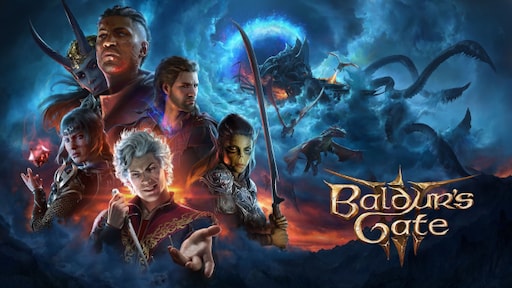
Baldur’s Gate 3: Complete character rebuilding
Players can visit Withers to respec almost every aspect of their character, including class, abilities, and subclasses, making it easy to try different builds without restarting the game.
Baldur's Gate 3
Release Date: October 06, 2020
Genres: Role-playing (RPG), Strategy, Tactical, Adventure
These examples show that some games treat respecs as an occasional decision, while others encourage players to change builds frequently.
Why Respec matters
Understanding respec systems helps players:
- Experiment with different builds.
- Learn game mechanics without fear of permanent mistakes.
- Adapt to balance updates.
- Optimize characters for specific activities.
- Save time by avoiding unnecessary new playthroughs.
For developers, respec systems make complex RPGs more approachable while still allowing meaningful character customization.
Common mistakes or misunderstandings
Respec is not creating a new character
A respec changes an existing character’s build. Progress, equipment, and story progression usually remain unchanged.
Not every game allows unlimited respecs
Some games charge currency, require rare items, or limit the number of times players can reset their builds.
A respec cannot fix everything
Changing attributes or skills won’t automatically improve performance. Players still need to understand how different mechanics work together.
Some choices may remain permanent
Certain games allow players to reset skills but not class, race, or other major character decisions.
Related gaming terms
Build
The combination of a character’s skills, equipment, and attributes.
Skill Tree
A progression system used to unlock and improve abilities.
Theorycrafting
Planning and optimizing character builds through analysis and testing.
Min-Maxing
Maximizing important stats while minimizing less useful ones.
Talent Tree
A branching system that lets players specialize in different playstyles.
Loadout
A selection of equipment or abilities prepared for a specific activity.
FAQ
What does respec mean in simple terms?
A respec lets you reset your character’s skills or attributes so you can build them differently.
Why would I respec my character?
Players respec to try new builds, fix mistakes, prepare for difficult content, or adapt to game updates.
Which games have respec systems?
Games such as Elden Ring, Diablo IV, Baldur’s Gate 3, World of Warcraft, and many RPGs include respec mechanics.
Does a respec reset my level?
Usually not. Most games only reset skills, talents, or attributes while keeping your character’s level, equipment, and story progress.
Is respec free?
It depends on the game. Some titles allow unlimited free respecs, while others require gold, special items, or other resources.