




Gacha is a reward and monetization system where players spend in-game currency for randomized rewards.
These rewards can include characters, weapons, equipment, cosmetics, upgrade materials, or other collectible items.
The basic idea is simple: instead of choosing one exact reward, the player performs a pull, roll, summon, or wish, and the game decides the result through chance.
TL;DR – Quick Definition
- Gacha is a system based on randomized rewards.
- Players spend in-game currency to pull characters, weapons, items, or cosmetics.
- The term comes from Japanese gachapon capsule toy machines.
- Many gacha games use banners, rarity tiers, and pity systems.
- Genshin Impact is one of the clearest modern examples of a gacha system.
Table of Contents
What does Gacha mean in gaming?
In gaming, gacha describes a mechanic where players use currency to receive a random reward from a predefined pool.
The word comes from gachapon, also known as gashapon, which refers to Japanese capsule toy machines that dispense random prizes.

Instead of directly buying one specific character or item, the player spends currency on a randomized draw. Depending on the game, this action may be called a pull, wish, summon, or roll.
Gacha systems are most often used for rewards such as:
- Playable characters
- Weapons
- Equipment
- Cosmetic items
- Pets or companions
- Upgrade materials
Many games let players earn some currency through regular gameplay, while also offering premium currency that can be bought with real money.
Worth Knowing: Gacha is especially common in free-to-play mobile games, but the system can also appear in PC and console games.
How Gacha works
Most gacha systems organize rewards into rarity tiers. The rarer the reward, the lower the chance of receiving it from a pull.
Common
Usually includes basic items, materials, or lower-value rewards.
Rare
Often includes useful characters, equipment, or stronger materials.
Epic
Usually contains more powerful characters, weapons, or valuable upgrades.
Legendary
Typically reserved for the most desirable and hardest-to-get rewards.
When a player performs a pull, the game checks the reward probabilities, selects a random result, and adds that character, item, weapon, or material to the player’s account.
Modern gacha games often add extra systems to make the process more structured, including:
- Pity systems that guarantee a high-rarity reward after a certain number of pulls.
- Rate-up banners that increase the chance of receiving specific characters or items.
- Limited-time banners with rewards available only for a set period.
- Duplicate rewards that can be used to strengthen characters or unlock upgrades.
Because the result is random, one player may get their desired reward quickly, while another may need many more attempts.
Best example: Genshin Impact
Genshin Impact is one of the most recognizable examples of a modern gacha game.
Players use currencies called Intertwined Fates and Acquaint Fates to make wishes on different banners. These banners contain characters and weapons across multiple rarity levels, with 5-star rewards being the rarest and most valuable.
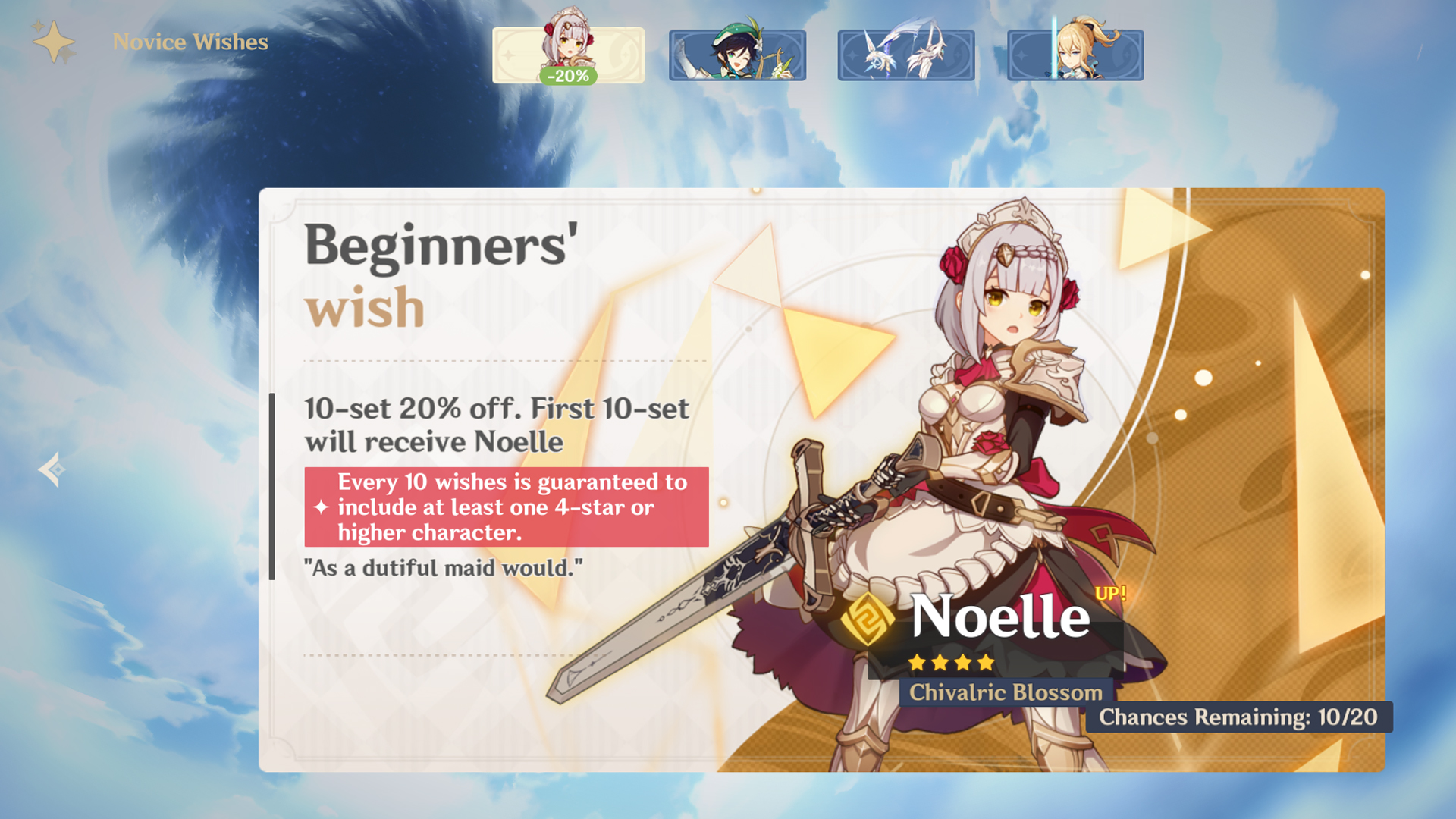
The game also includes a pity system, which guarantees a 5-star reward after a set number of pulls. This helps reduce the impact of long unlucky streaks.
Limited-time banners regularly introduce new characters, encouraging players to save their resources or spend currency when a specific character becomes available.
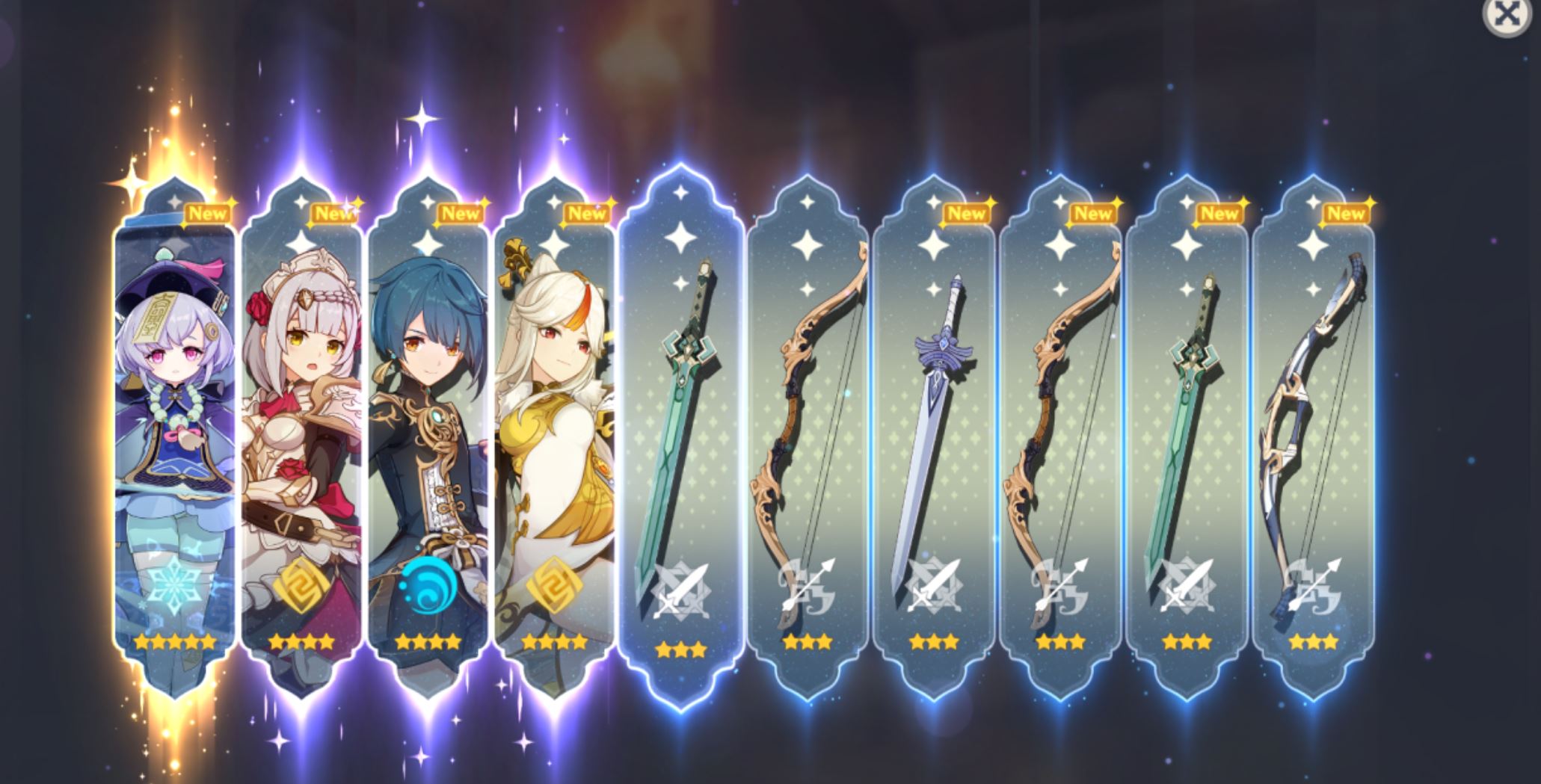
Genshin Impact is a strong example because its gacha system is easy to understand, but still deeply connected to character collection, team building, and long-term progression.
Why Gacha matters
Understanding gacha helps players make better decisions about how and when to spend their resources.
Knowing how gacha works can help players:
- Manage in-game currency more effectively.
- Decide whether to save or spend on a banner.
- Understand reward probabilities.
- Plan around future character or weapon releases.
- Avoid wasting premium currency on low-priority rewards.
In many games, gacha is not just a side feature. It shapes progression, collection, team building, and long-term motivation.
For many players, collecting characters and improving their roster becomes one of the main reasons to keep playing.
Common mistakes and misunderstandings
Gacha is not exactly the same as loot boxes
Both systems involve random rewards, but gacha usually focuses on dedicated summoning mechanics for characters, weapons, or progression-related content.
Free-to-play players can still participate
Many gacha games provide free currency through quests, events, daily activities, and regular gameplay.
Rare does not mean impossible
High-rarity rewards can have low drop rates, but pity systems and guarantees often make them more accessible over time.
Gacha is a monetization system, not a genre
A game can be called a gacha game, but gacha itself is a reward and monetization mechanic. The game can still be an RPG, strategy game, action game, or another genre.
Related gaming terms
Loot Box
A randomized reward container that grants items when opened.
Pity System
A mechanic that guarantees a valuable reward after a certain number of unsuccessful pulls.
Banner
A limited or permanent pool of available gacha rewards.
Free-to-Play (F2P)
A game that can be played without an upfront purchase.
Microtransaction
A small in-game purchase, often used to buy premium currency.
RNG
Random Number Generator, the system that determines randomized outcomes.
FAQ
What does gacha mean in simple terms?
Gacha is a system where players spend in-game currency to receive random rewards, such as characters, weapons, or items.
Why is it called gacha?
The name comes from Japanese gachapon or gashapon capsule toy machines, which give random prizes.
Is Genshin Impact a gacha game?
Yes. Genshin Impact uses a wish system based on gacha mechanics to let players obtain characters and weapons.
Are gacha games free to play?
Most gacha games are free to start, but they usually include optional purchases for premium currency and additional pulls.
What is a pity system in a gacha game?
A pity system guarantees a high-rarity reward after a certain number of pulls, helping players avoid extremely long unlucky streaks.
Final takeaway
A gacha system lets players spend currency on randomized rewards, usually characters, weapons, equipment, or other collectible content.
Genshin Impact is one of the clearest examples because its wishes, banners, rarity tiers, and pity system show how modern gacha mechanics work.
Understanding gacha helps players manage resources, read probabilities, plan around banners, and make smarter decisions before spending their pulls.