




Quick definition
Min-maxing is the practice of optimizing a character, build, or strategy by maximizing the most valuable strengths while minimizing less useful attributes or weaknesses. The goal is to achieve the highest possible efficiency, damage, survivability, or performance.
Min-maxing is especially popular in RPGs, strategy games, MMORPGs, and games with deep character customization.
Table of Contents
What does Min-Maxing mean in gaming?
In gaming, min-maxing refers to making deliberate choices that improve a character’s effectiveness, often by sacrificing abilities or stats that contribute less to the desired playstyle.
For example, a player creating a powerful melee warrior might:
- Invest heavily in Strength.
- Equip gear that boosts physical damage.
- Ignore magic-related attributes.
- Choose talents that increase critical hits instead of utility skills.
The term comes from the idea of maximizing desirable traits while minimizing less important ones.
Min-maxing is common in games where players have meaningful control over:
- Character attributes.
- Skills and talents.
- Equipment.
- Party composition.
- Crafting.
- Resource allocation.
How Min-Maxing works
Min-maxing begins with a specific goal.
A player might want to:
- Deal the highest possible damage.
- Build an unbreakable tank.
- Create the fastest character.
- Maximize healing output.
- Finish the game as efficiently as possible.
Once the goal is chosen, every decision supports that objective.
A min-maxed build may involve:
- Choosing equipment with perfect stat combinations.
- Ignoring abilities that don’t improve the build.
- Optimizing passive skills.
- Selecting companions that complement weaknesses.
- Using consumables that enhance core strengths.
Because every choice has a purpose, min-maxing often requires a deep understanding of the game’s mechanics.
Best game example: Baldur’s Gate 3
Baldur’s Gate 3 is an excellent example of min-maxing because its character creation and progression systems offer countless opportunities for optimization.
Players can carefully select ability scores, classes, subclasses, feats, spells, equipment, and multiclass combinations to create highly specialized builds.
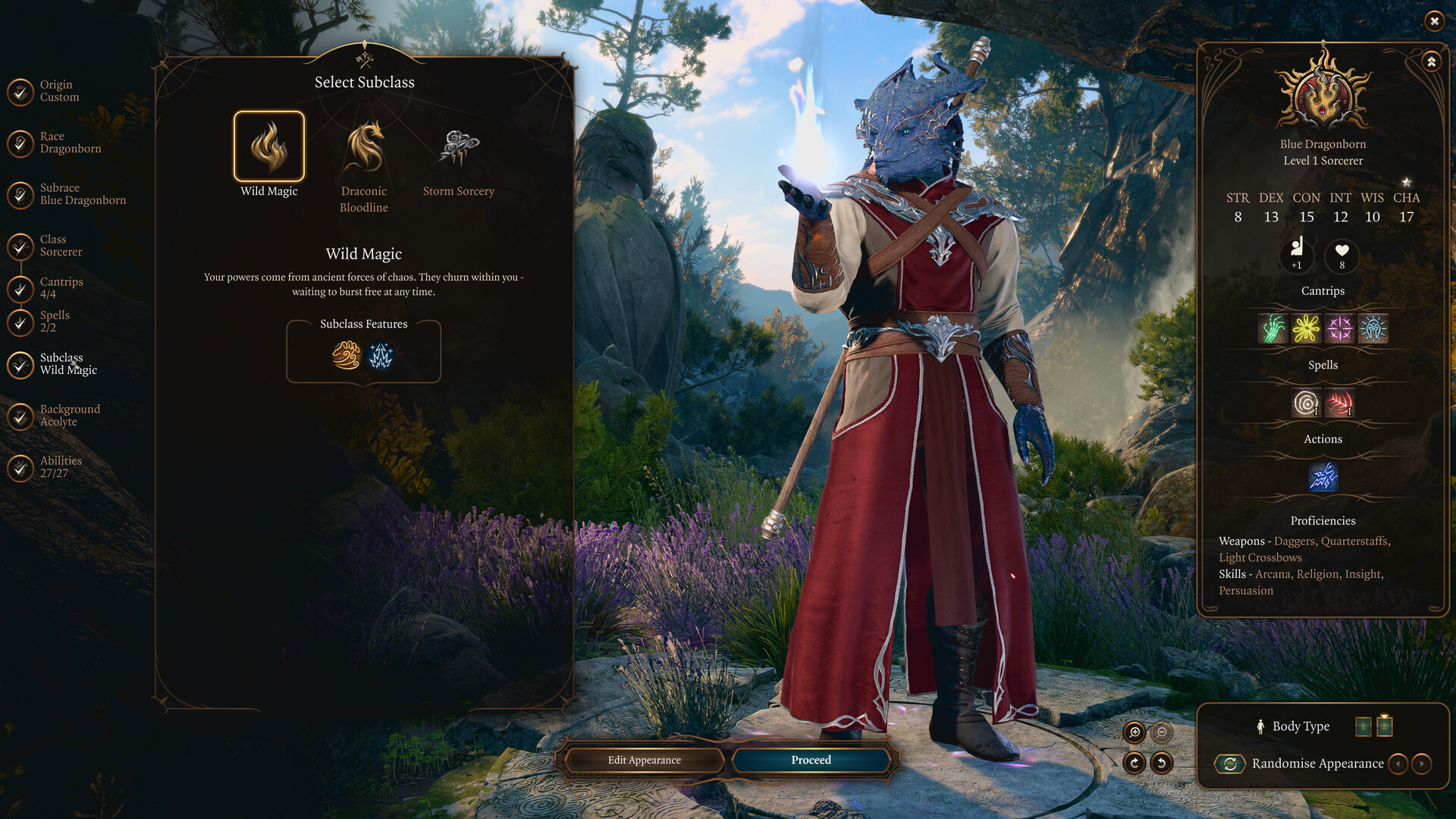
A player might sacrifice Charisma on a frontline fighter to maximize Strength and Constitution, or combine multiple classes to unlock powerful ability synergies that dramatically increase combat effectiveness.
The game’s rules are based on Dungeons & Dragons 5th Edition, meaning even small decisions can have a significant impact on combat performance. As a result, many players spend considerable time planning builds before beginning a campaign.
Baldur’s Gate 3 is a perfect example because thoughtful optimization can noticeably improve a character without removing the freedom to role-play or experiment.
How Min-Maxing differs between games
Different games encourage optimization in different ways.
Baldur’s Gate 3: Character building
Players optimize ability scores, feats, multiclass options, and equipment to create powerful and specialized characters.

Baldur's Gate 3
Release Date: October 06, 2020
Genres: Role-playing (RPG), Strategy, Turn-based strategy (TBS), Tactical, Adventure
Path of Exile 2: Deep build optimization
The massive passive skill tree, support gems, and item crafting systems allow players to fine-tune nearly every aspect of a build, making min-maxing a core part of the endgame experience.
Path of Exile 2
Release Date: January 1, 1970
Genres: Role-playing (RPG), Hack and slash/Beat 'em up, Adventure
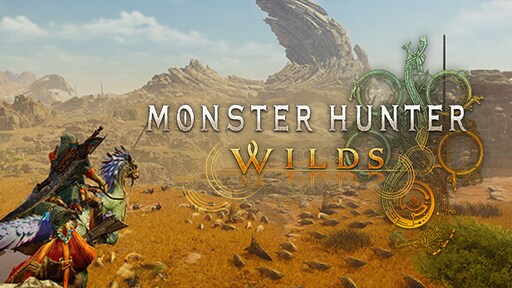
Monster Hunter Wilds: Equipment synergy
Hunters combine armor skills, decorations, weapons, and talismans to maximize damage, survivability, or utility against specific monsters.
Monster Hunter Wilds
Release Date: February 28, 2025
Genres: Role-playing (RPG), Hack and slash/Beat 'em up, Adventure
XCOM 2: Squad efficiency
Min-maxing extends beyond individual soldiers. Players optimize squad composition, weapon upgrades, abilities, and resource management to maximize their chances of success on difficult missions.

XCOM 2
Release Date: February 04, 2016
Genres: Role-playing (RPG), Simulator, Strategy, Turn-based strategy (TBS), Tactical
These examples show that min-maxing can involve a single character, an entire party, or even an overall gameplay strategy.
Why Min-Maxing matters
Understanding min-maxing helps players:
- Build more effective characters.
- Get better results from limited resources.
- Tackle higher difficulty levels.
- Improve combat performance.
- Understand how different systems work together.
Some players enjoy min-maxing because solving optimization puzzles is part of the fun. Others prefer experimenting with unconventional builds or role-playing, even if their characters aren’t perfectly efficient.
Neither approach is inherently better—the best choice depends on what makes the game enjoyable for you.
Common mistakes or misunderstandings
Min-Maxing is not cheating
Optimizing a build uses mechanics intentionally included by the developers. It does not involve exploits or hacks.
A min-maxed build isn’t always the most fun
Highly optimized characters can be extremely powerful, but some players enjoy experimenting with unusual or thematic builds instead.
Min-Maxing is not required
Most games can be completed without creating a perfectly optimized build, especially on normal difficulty.
Optimization has trade-offs
Maximizing one strength often means sacrificing versatility, survivability, or utility.
Related gaming terms
Build
A combination of skills, equipment, and attributes that defines how a character plays.
Meta
The most effective strategies or builds currently favored by the community.
Theorycrafting
Analyzing game mechanics to design and optimize builds.
Glass Cannon
A build that maximizes damage while sacrificing defense.
Tank
A build focused on durability and protecting teammates.
Respec
Resetting a character’s skills or attributes to create a new build.
FAQ
What does min-maxing mean in simple terms?
Min-maxing means making choices that maximize your character’s strengths while minimizing less useful stats or abilities.
Is min-maxing only for RPGs?
No. While it’s most common in RPGs, min-maxing also appears in strategy games, survival games, multiplayer games, and any title with meaningful customization.
Which games are known for min-maxing?
Games such as Baldur’s Gate 3, Path of Exile 2, Monster Hunter Wilds, XCOM 2, and Diablo IV all encourage players to optimize their builds.
Is min-maxing necessary?
Not usually. Most games can be enjoyed without perfect optimization, although min-maxing becomes more valuable on higher difficulty levels or in competitive play.
What is the opposite of min-maxing?
Many players prioritize role-playing, experimentation, or thematic builds over maximum efficiency, choosing what feels fun rather than what produces the highest numbers.