



New Game Plus, often shortened to NG+, is a mode that lets players start a new playthrough after finishing a game while keeping some progress from the previous run.
Depending on the title, that progress can include levels, skills, weapons, armor, collectibles, cosmetics, currency, or other upgrades.
For some games, NG+ is mostly a tougher replay. For others, it adds new content, alternate endings, extra story scenes, or completely different ways to experience the same world.
TL;DR – Quick Definition
- New Game Plus lets players replay a game after finishing it while keeping selected progress.
- Games may carry over levels, skills, weapons, equipment, cosmetics, collectibles, or currency.
- NG+ can increase difficulty, unlock new content, reveal extra story, or simply let players experiment with stronger builds.
- Dark Souls uses NG+ mainly as a harder challenge with carried-over character progress.
- NieR: Automata uses post-ending continuation to reveal major new perspectives, routes, and endings.
- Not every game carries over the same items, so NG+ rules always depend on the specific title.
Table of Contents
What does New Game Plus mean in gaming?
In gaming, New Game Plus is a replay mode unlocked after finishing a game or reaching a major ending. Instead of beginning again with nothing, players start a fresh run while keeping selected progress earned during the previous playthrough.
The feature is designed to make replaying a game more rewarding. Players can return to early areas with stronger gear, test builds they did not use before, chase missed collectibles, try higher difficulties, or explore story paths they skipped the first time.
New Game Plus is especially common in:
- RPGs
- Action RPGs
- Soulslike games
- Open-world games
- Story-driven action games
- Horror games with unlockable weapons or challenge runs
Some games treat NG+ as a simple reward for finishing the story. Others build it directly into the full experience, making later runs essential for seeing everything the game has to offer.
Worth Knowing: NG+ does not mean the same thing in every game. Always check what carries over before starting a new cycle.
How New Game Plus works
After completing the main story, players usually unlock a New Game Plus option from the main menu, a completed save file, or a special post-ending prompt.
When starting NG+, the game may allow players to keep:
- Character levels
- Skills and abilities
- Weapons and armor
- Weapon upgrades
- Currency and crafting materials
- Cosmetics
- Collectibles
- Unlocked difficulty options
At the same time, many games reset story progress, key items, quest states, map progression, or one-time narrative choices. This lets the player replay the campaign while still benefiting from the work they already put in.
NG+ may also introduce changes such as:
- Stronger enemies
- Higher difficulty scaling
- New items or weapons
- Additional quests
- Alternate dialogue
- Different endings
- New boss encounters
- More rewards for experienced players
The best NG+ systems make a second playthrough feel familiar, but not identical. You know the game better, your character is stronger, and the game gives you a new reason to keep going.
Best example: NieR: Automata
NieR: Automata is one of the most memorable examples of how powerful a post-ending replay structure can be.
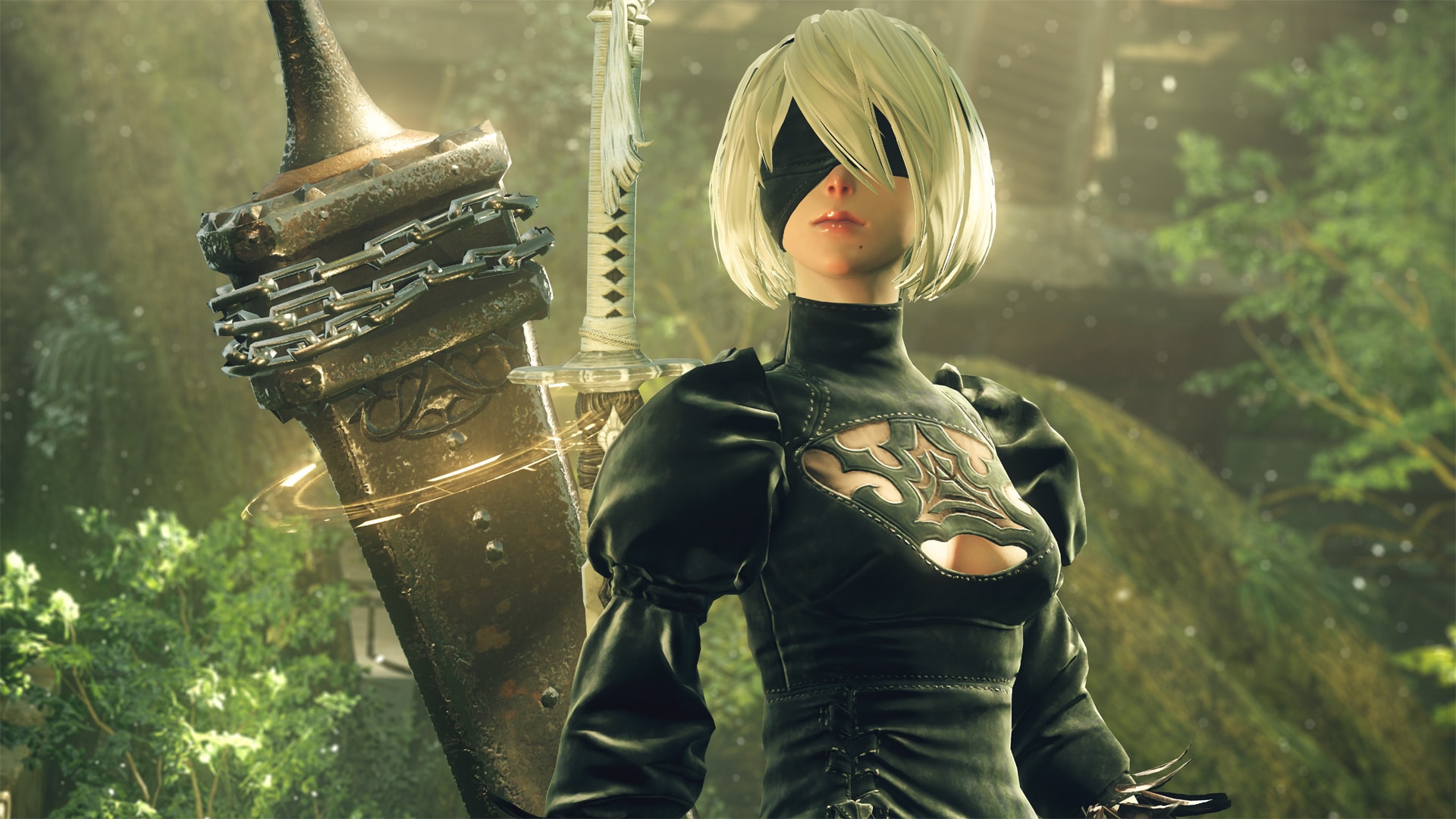
At first, reaching the credits may feel like finishing the game.
In reality, continuing from the same save opens up new routes, new perspectives, and major story developments.
The game follows characters such as 2B, 9S, and A2, and later routes reveal information that completely changes how players understand earlier events.
This is why NieR: Automata is often discussed alongside New Game Plus, even though it is not just a traditional “same game, harder enemies” replay. Its additional playthroughs are part of the full narrative design.
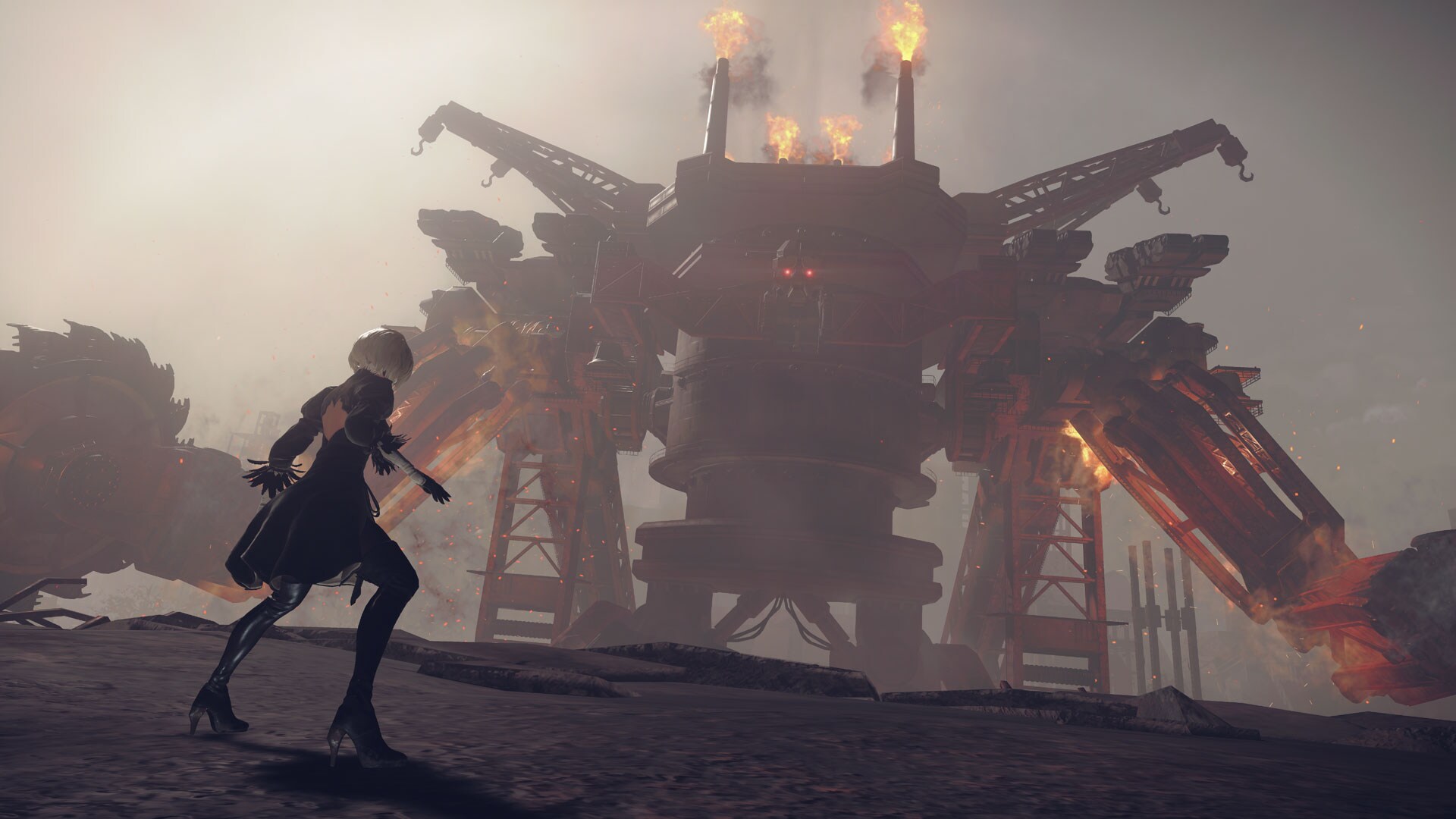
What looks like repetition at first gradually becomes expansion. New scenes, altered context, different playable perspectives, and additional endings turn the act of replaying into a core storytelling tool.
Worth Knowing: NieR: Automata is not a simple NG+ challenge mode. It uses repeated playthroughs and continued save progression to deliver the complete story.
How New Game Plus differs between games
New Game Plus can serve very different purposes depending on the game’s design. Some games use it for challenge, some use it for story, and others use it to let players enjoy powerful gear from the start.
Dark Souls: A tougher challenge
Dark Souls sends players into a new cycle after the final boss while letting them keep much of their character progress, equipment, stats, and spells.
Dark Souls:
Release Date: May 24, 2018
Genres: Role-playing (RPG), Adventure
Enemies become stronger, hit harder, and give more souls, making NG+ a test for players who already understand the game.
NieR: Automata: New perspectives and story layers
NieR: Automata uses continued playthroughs to reveal new routes, playable perspectives, and endings.

NieR: Automata
Release Date: March 17, 2017
Genres: Role-playing (RPG), Adventure, Hack and slash/Beat 'em up
The appeal is not just difficulty – it is discovering how much of the story was still hidden after the first ending.
Starfield: A narrative multiverse loop
Starfield ties NG+ directly to its story through the Unity. Starting again means entering another universe, where some events and introductions can differ.
Starfield
Release Date: September 01, 2023
Genres: Shooter, Role-playing (RPG), Adventure
The game uses NG+ as both a progression loop and a narrative idea about leaving one life behind.
Resident Evil 4 Remake: Keeping your arsenal
Resident Evil 4 Remake lets players begin another run after finishing the game while carrying over most weapons, upgrades, items, money, and other progress.
Resident Evil 4 Remake
Release Date: March 24, 2023
Genres: Shooter, Puzzle, Adventure
This makes NG+ ideal for experimenting with powerful gear and chasing completion goals.
These examples show why NG+ is such a flexible feature. It can be a difficulty mode, a completionist tool, a story device, or simply a way to replay a favorite game with all your hard-earned toys.
Why New Game Plus matters
New Game Plus matters because it gives players a reason to keep playing after the credits roll.
For players, NG+ can:
- Increase replay value.
- Reward completion of the main story.
- Let players use late-game gear from the beginning.
- Offer a tougher challenge for experienced players.
- Encourage missed-content cleanup.
- Unlock alternate endings or new story material.
- Make build experimentation easier.
For developers, NG+ extends the life of a game without always requiring a completely new campaign. By adjusting difficulty, carry-over rules, rewards, or narrative structure, developers can make old content feel fresh again.
For players who love a game’s combat, world, or characters, NG+ can be the perfect excuse to come back.
Common mistakes and misunderstandings
New Game Plus is not always just harder mode
Many games increase enemy strength, but others use NG+ to add story content, different endings, new rewards, or alternate world states.
Not everything always carries over
Some games carry over weapons and levels but reset key items, quest progress, story choices, or map exploration.
NG+ is not required in every game
Some games are complete after one playthrough. Others, like NieR: Automata, are designed so later routes reveal major parts of the full experience.
Multiple NG+ cycles can exist
Some games support NG++, NG+++, and beyond, with each cycle increasing difficulty, rewards, or replay challenge.
NG+ is not the same as endgame
Endgame usually means content after the story inside the same playthrough. NG+ usually means starting the game again with some previous progress.
Related gaming terms
Replayability
How enjoyable or worthwhile a game remains across multiple playthroughs.
Endgame
Content available after completing the main story or reaching the final stage of progression.
Permadeath
A system where death can cause permanent loss of character progress or save data.
Difficulty Scaling
A system that changes challenge levels based on progression, mode, or player power.
Completionist
A player who tries to collect everything, finish every quest, unlock all endings, or complete all achievements.
Alternate Ending
A different conclusion unlocked through specific choices, actions, routes, or repeat playthroughs.
FAQ
What does New Game Plus mean in simple terms?
New Game Plus lets you start a game again after finishing it while keeping some progress from your completed playthrough.
Do all games make enemies stronger in NG+?
No. Some games raise enemy difficulty, while others focus on new story content, alternate endings, extra rewards, or build experimentation.
Is New Game Plus worth playing?
It depends on the game. NG+ is especially worth playing when it adds new story content, lets you use late-game gear early, or creates a more interesting challenge.
Which game uses New Game Plus best?
NieR: Automata is one of the strongest examples because continuing after the first ending reveals major new perspectives, routes, and story material.
Can you keep all your items in New Game Plus?
Not always. Each game decides what carries over and what resets. Weapons, levels, and cosmetics may transfer, while key items and story progress often reset.
Final takeaway
New Game Plus is a replay mode that gives players a new run without fully wiping away everything they earned. It can carry over levels, weapons, upgrades, or collectibles, while also adding stronger enemies, new rewards, alternate endings, or extra story content.
Dark Souls shows how NG+ can create a harder challenge. Resident Evil 4 Remake shows how it can let players replay with a powerful arsenal. Starfield turns it into a narrative multiverse loop. NieR: Automata shows how repeated playthroughs can become essential to the complete story.
NG+ is one of gaming’s best replayability tools because it rewards players for finishing a game while giving them a fresh reason to jump back in.