



Grand Theft Auto: Vice City defined open-world gaming when it launched in 2002, and Rockstar Games is bringing that Miami-inspired setting back in Grand Theft Auto VI.
The difference is scale. The old Vice City was a compact neon playground. GTA VI turns that idea into Leonida, a full Florida-inspired state built around modern Vice City, wetlands, highways, island chains, rural towns, and a much denser open world.

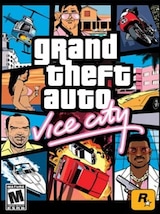







Main comparison: Grand Theft Auto: Vice City vs. Grand Theft Auto VI
Classic setting: Vice City, inspired by 1980s Miami
New setting: Vice City and the state of Leonida
GTA VI release date: November 19, 2026
GTA VI platforms: PlayStation 5 and Xbox Series X|S
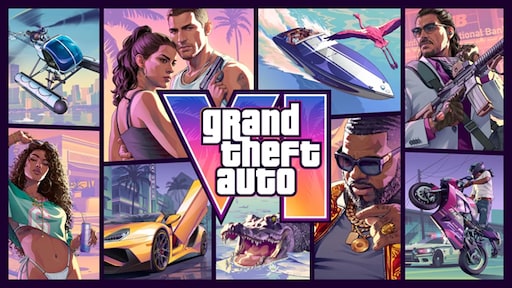
Grand Theft Auto VI
Release Date: November 19, 2026
Genres: Action-adventure, Open World
Grand Theft Auto: Vice City defined open-world gaming when it launched in 2002, and Rockstar Games is bringing that Miami-inspired setting back in Grand Theft Auto VI.
The game arrives in November 2026 on PlayStation 5 and Xbox Series X/S. GTA VI keeps the neon lights, pastel colors, bustling streets, and criminal underworld that made the original city famous, but this time that city sits inside a much larger fictional state called Leonida, expanding the world from a single metro area into a full Florida-inspired region.
Check out Grand Theft Auto VI on G2A.COM
Grand Theft Auto VI preorders are available on G2A Marketplace.
If you are getting ready for Rockstar’s return to Vice City, it is worth checking current GTA VI availability on G2A.COM before launch.
Scale and Size: From a City to a Full State
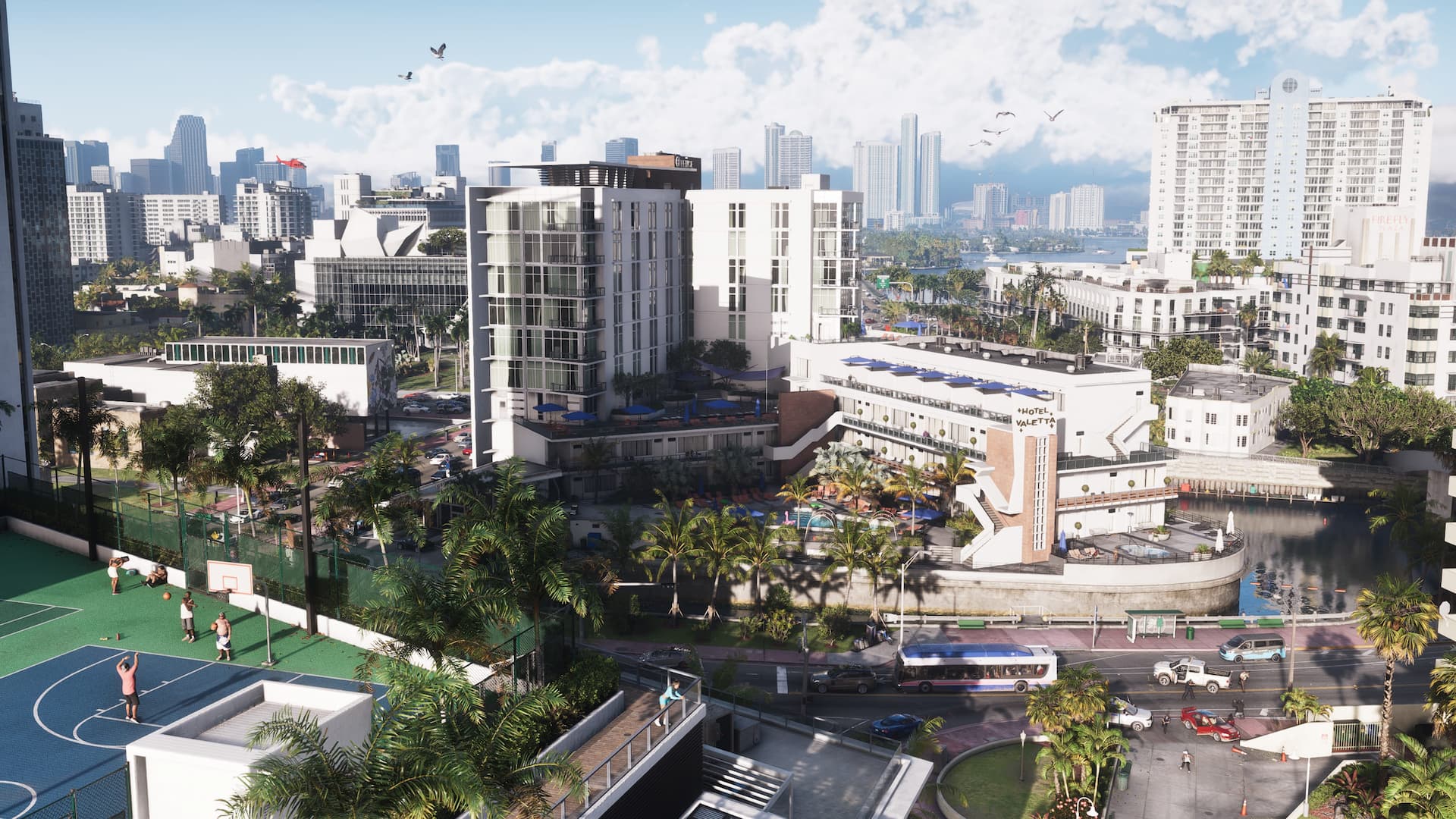
The gap between the original Vice City and the new Leonida region is massive. Estimates put the new map at three to four times the size of the 2002 game. Against Grand Theft Auto V, GTA VI’s world is projected to run 2 to 2.7 times larger. For reference, GTA V’s Los Santos and Blaine County covered roughly 50 square kilometers of playable land. By most current estimates, Leonida will match or exceed the explorable footprint of Red Dead Redemption 2, Rockstar’s own benchmark for open-world scale.
The classic Vice City was a compact, self-contained playground. In GTA VI, that city is one piece of a much bigger virtual Florida. The state adds sprawling suburbs, dense swampland, forests, and island chains around the core metro area. License plates spotted in promotional footage even hint at a second state to the north, nicknamed Gloriana, standing in for the real-world Georgia.
That scale changes how a GTA game plays. Instead of a handful of neighborhoods stitched together, Leonida works more like a full ecosystem, with wildlife, road types, and regional character shifting as players move from the coast into the interior. Long highway stretches link the city to rural counties, giving each region its own pacing and mood rather than treating the whole state as one continuous sprawl.
Iconic Districts Return, Rebuilt
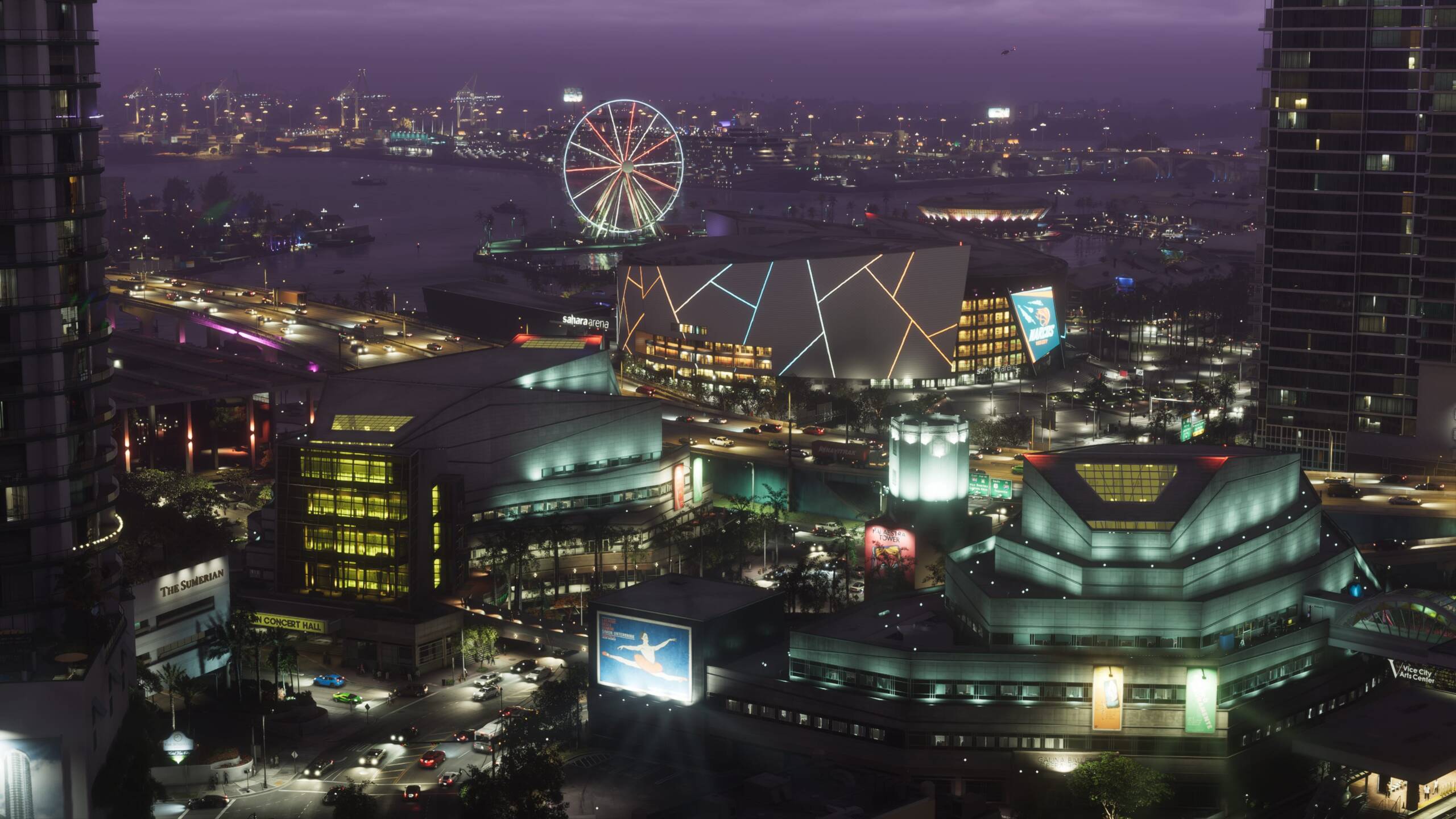
The original Vice City earned its reputation through sharply defined neighborhoods, and GTA VI brings back their spiritual successors. Ocean Beach, Vice Point, Little Havana, and Downtown all return, and their visual identity survives the jump. Pastel hotels, art deco towers, the familiar coastline, and busy port districts are all present.
The city itself has grown denser and gained new territory. Virtual Miami now stretches to include South Beach, Little Haiti, Crosstown, and the Venetian Islands. Multi-lane highways cut through the urban core, while streetcars and packed nightclubs fill out the street level. The classic atmosphere holds, but the architectural detail and overall realism have jumped several generations.
Foot traffic, storefront variety, and lighting design all point to a much more layered version of the city than anything the series has built before. Where the 2002 game relied on a handful of repeated building types to fill out its blocks, GTA VI’s Miami mixes in far more unique structures, giving each district a distinct visual signature instead of a shared template.
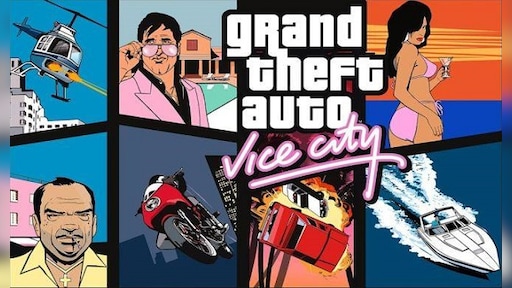
Grand Theft Auto: Vice City
Release Date: October 27, 2002
Genres: Action-adventure, Open World
The Time Jump: From the 80s to Today
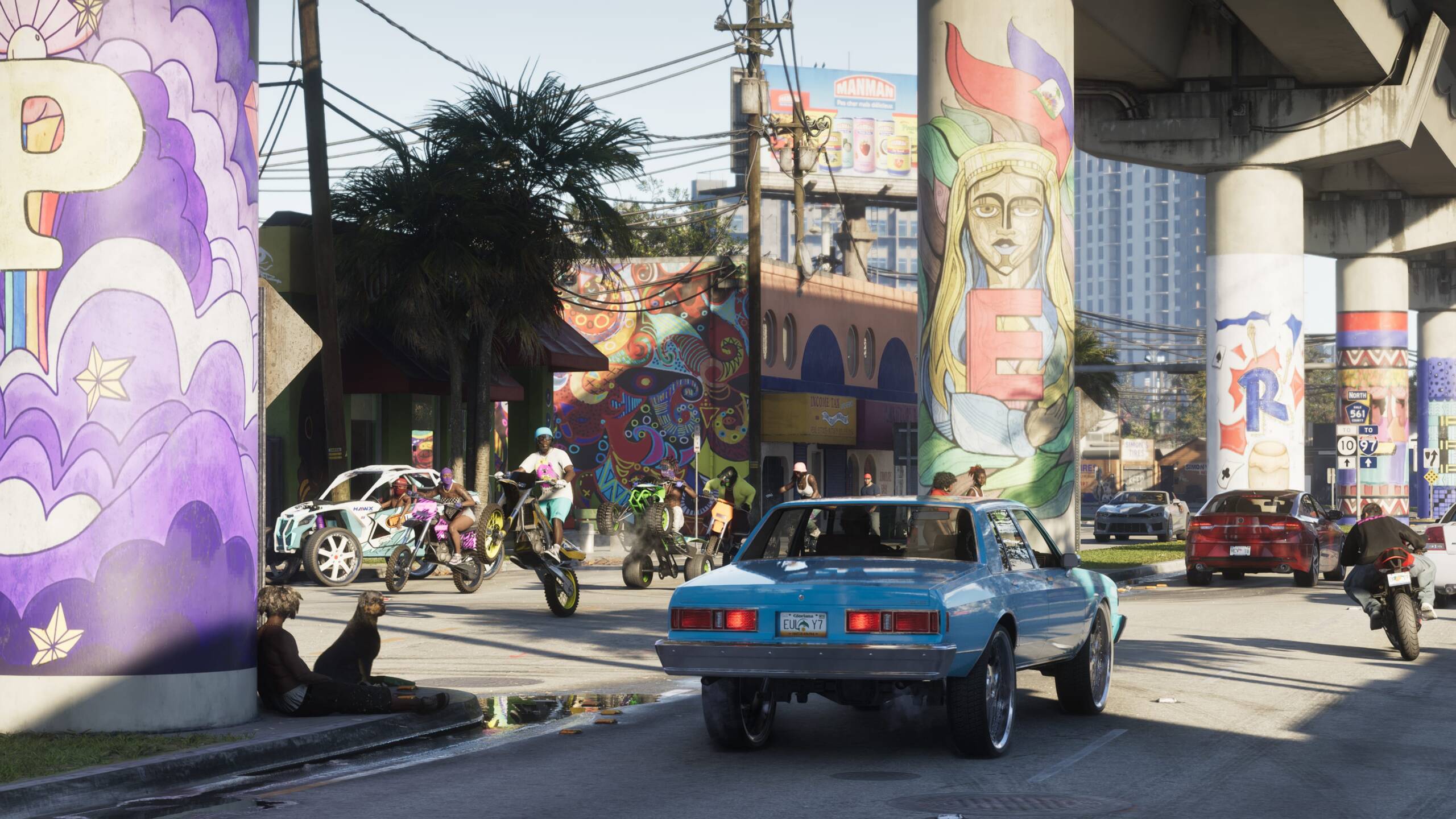
Vice City in 2002 lived and breathed 1980s culture, and that decade shaped every frame of the game, from the pastel wardrobe to the synth-heavy radio stations. GTA VI moves the clock forward, setting its version of the city in a modern era inspired by present-day Miami. Smartphones, current fashion, and modern vehicle designs replace the shoulder pads and cassette decks, and the soundtrack is expected to shift toward contemporary genres alongside a handful of throwback cuts.
The classic visual language sticks around, updated for a contemporary setting. Pastel building facades, palm-lined boulevards, and the neon glow of the original still define the skyline, just rendered with modern lighting and material detail. Rockstar has kept the mood of the 80s game intact while swapping out the surface details for something that matches 2026 rather than 1986.
Some fans expect the story to drop direct references to the original cast and plotlines, tying the two eras together. Online theories point to aged versions of characters, references to old in-game businesses, and news broadcasts hinting at what happened to Vice City in the decades between games. Rockstar hasn’t confirmed any of these connections, but the studio has a track record of rewarding players who dig into background details, so the payoff for careful players could be substantial.
New Territory Outside the Old City Limits
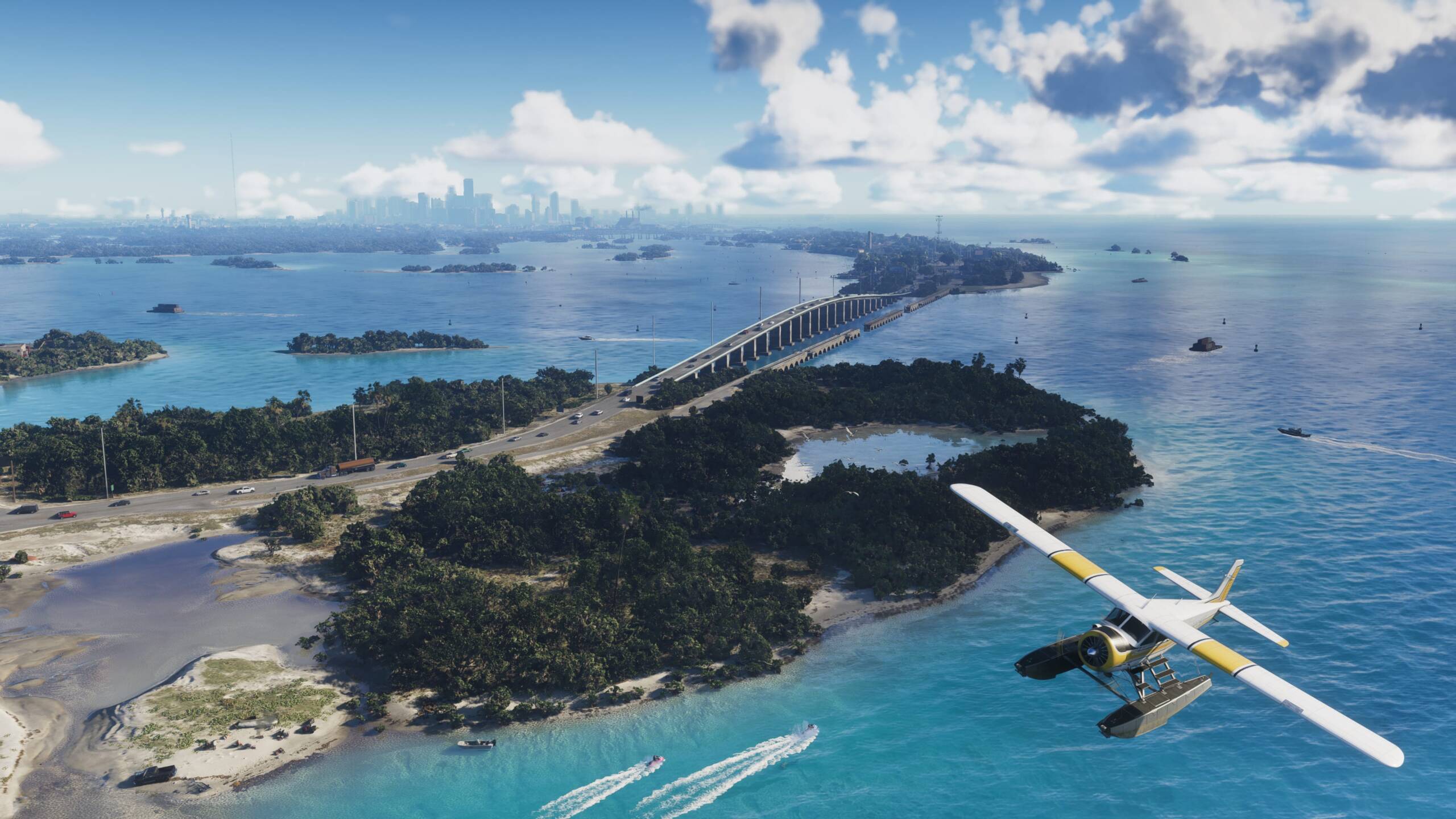
Scaling the map up to state size opened the door to locations that had no place in the 2002 game. Beyond Miami’s borders, players will find a mix of wild terrain and small-town Florida.
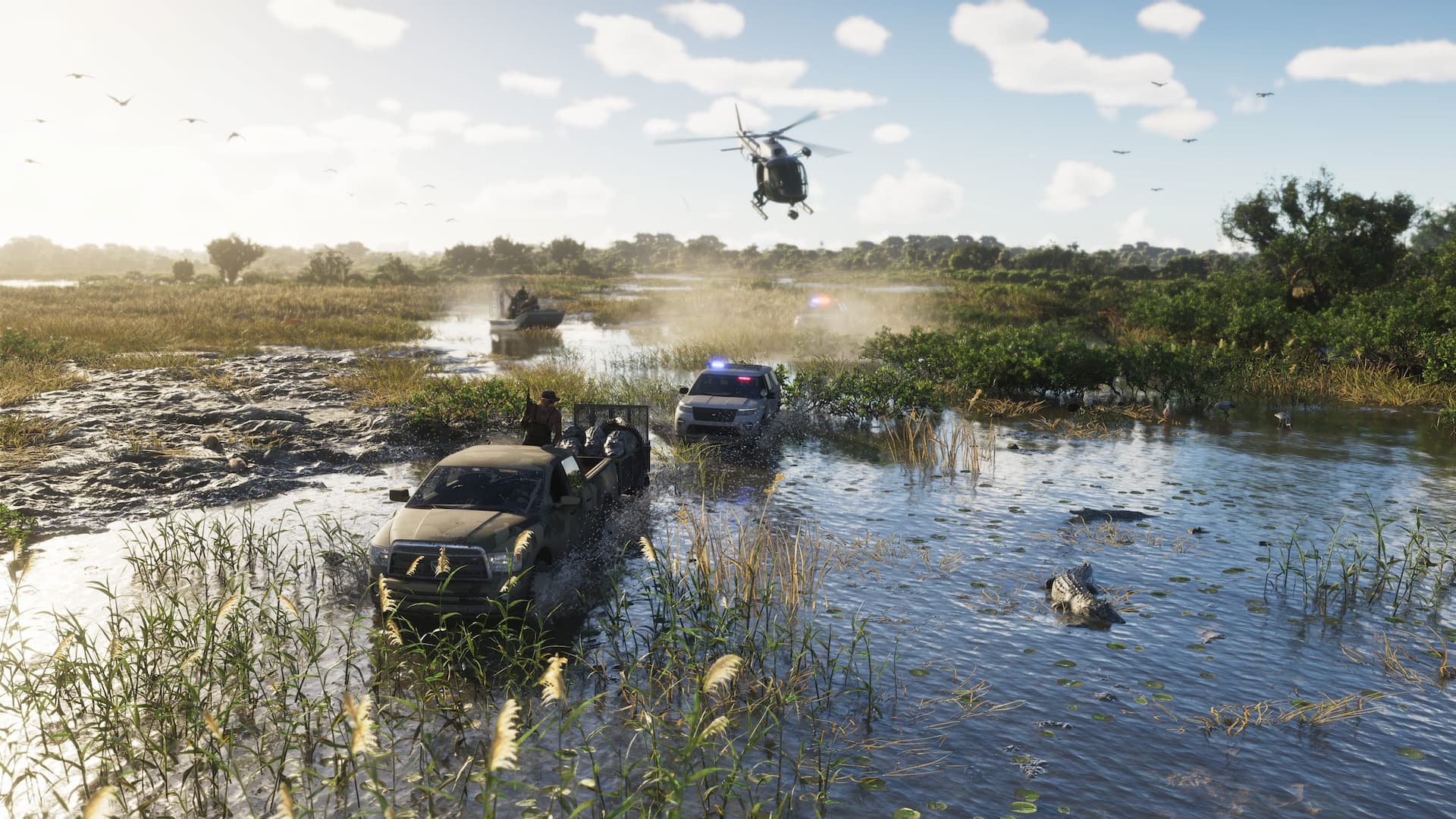
The Grassrivers region stands out first: muddy, untamed waterways modeled on the Everglades, complete with alligators and snakes. South of the mainland sits the Leonida Keys, a tropical archipelago based on the real Florida Keys and built for boating and diving. Port Gellhorn, drawing on Panama City, plays up a rough, faded coastal-town vibe, full of shady storefronts and abandoned attractions. Ambrosia covers industrial and rural ground near Lake Leonida, modeled on Hendry County and dotted with refineries. Up north, Mount Kalaga forms a sprawling national park with steep canyons, rivers, and hunting grounds.
Each of these regions brings its own vehicle and activity set. Airboats and swamp buggies fit the Grassrivers, speedboats and jet skis suit the Keys, and off-road trucks make more sense in the canyons around Mount Kalaga than anything built for city streets. That variety gives players real reasons to leave Miami instead of treating the rural map as empty filler between missions.
From Static Sets to Full Interaction

The bigger story here is how much of that space players can actually touch. Reports point to more than 700 fully accessible building interiors across the map, covering everything from nightclubs to gun stores. Previous entries in the series often faked depth with locked doors and painted-on windows; GTA VI appears to swap a large share of those fakes for rooms players can actually walk into.
The water gets the same treatment. Fully explorable underwater zones let players hunt for sunken treasure, explore shipwrecks, and navigate reef systems along the coast. That alone changes how the Miami shoreline plays compared to anything earlier in the series, where water mostly served as a barrier rather than a place to actually explore.
A Clear Technological Jump
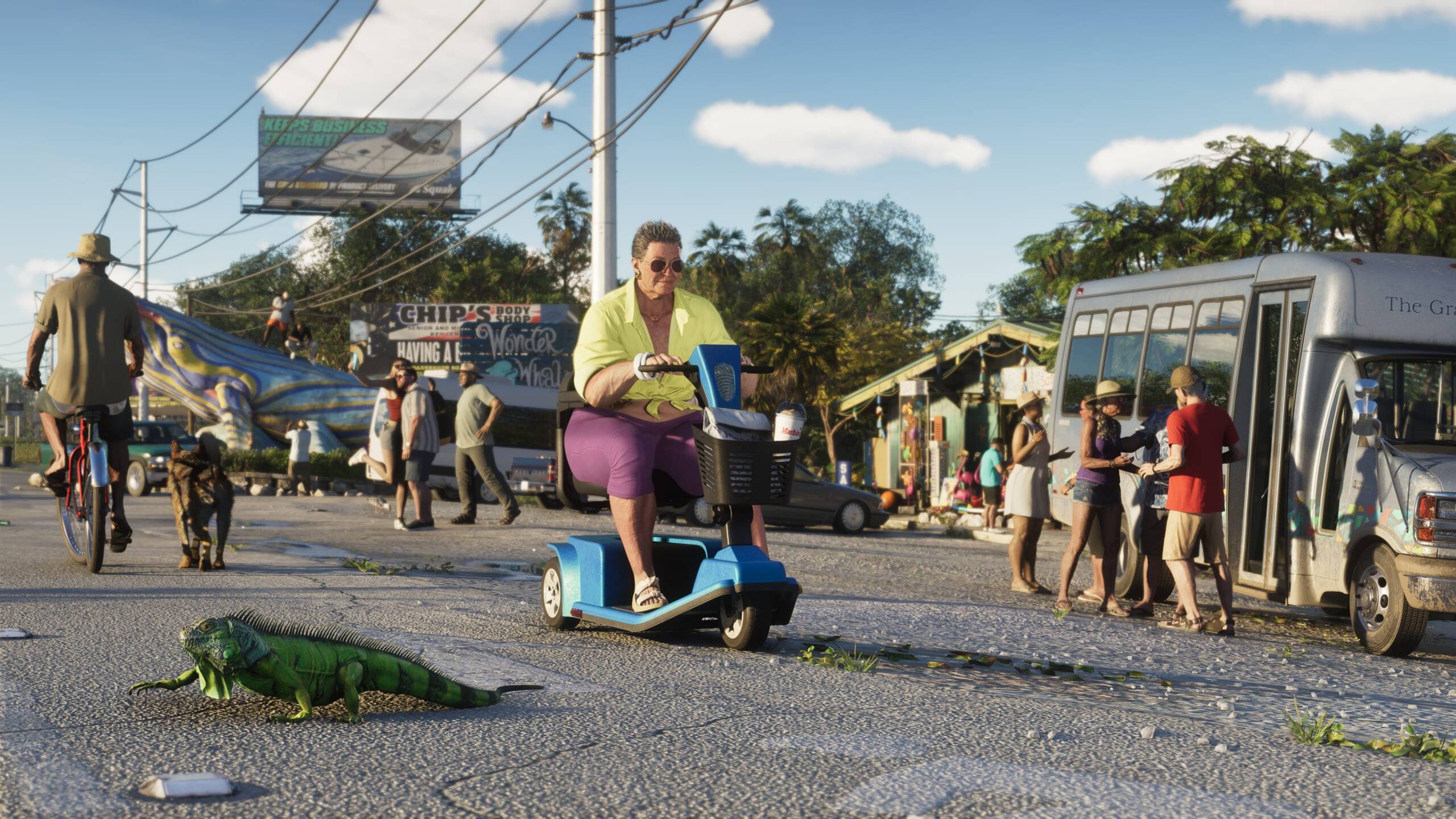
Side-by-side shots comparing the original Vice City to GTA VI footage make the technical gap obvious. Two decades of hardware and engine advances separate the two games, and it shows in every frame. Industry developers who’ve studied the trailers point to the sheer amount of environmental design work packed into the new installment. Community-built map reconstructions, drawn partly from a 2022 leak that included more than 90 videos and screenshots, back this up. Researchers tracking those leaks estimate their accuracy at over 80% against the game’s current look.
GTA VI vs. GTA: Vice City – Iconic Location Comparison
Vice City’s evolution into the state of Leonida marks a defining moment for open-world games. Familiar districts return in modernized form, joined by suburbs, river systems, and island chains that round out a believable, connected world.
The scale has grown dramatically, yet the aesthetic DNA from the 2002 original still runs through virtual Miami. Between the technical leap, the reworked districts, and the sheer density of the map, GTA VI is shaping up to be Rockstar’s most ambitious world yet.
Vice City is coming back bigger than ever
Grand Theft Auto VI brings Vice City into a much larger Leonida map, while Grand Theft Auto: Vice City remains the classic version that made the setting legendary.
You can check current offers for both games on G2A.COM.
Check out Grand Theft Auto VI on G2A.COM Check out Grand Theft Auto: Vice City on G2A.COM