




While much of the gaming industry continues to face layoffs and restructuring, Atlus is moving in the opposite direction.

Metaphor: ReFantazio
Release Date: October 11, 2024
Genres: Role-playing (RPG), Adventure, Turn-based strategy (TBS)
The company has announced salary increases and reduced overtime, aiming to improve working conditions and long-term team stability.
TL;DR – Atlus Workplace Changes
- Salary increase: ~15% for employees
- New grad pay: 300,000 → 330,000 yen
- Overtime reduced: 30 → 20 hours
- Goal: Better retention & less crunch
More Cash, Less Crunch
Starting in April 2026, Atlus is introducing several key changes to compensation and workload:
What This Means for Developers
These changes are more than just financial—they impact how games are made.
- Higher pay improves retention
- Less overtime reduces burnout
- Stable teams improve long-term project consistency
With fewer disruptions and less fatigue, teams can maintain a steady development pace—critical for large-scale RPGs that take years to complete.
The Western Context
Atlus’ decision stands out against a backdrop of ongoing layoffs across Western studios.
Recent cuts at companies like Warner Bros. Montréal highlight a broader trend:
- Studio downsizing
- Project cancellations
- Frequent restructuring

Persona 5 Royal
Release Date: October 21, 2022
Genres: Role-playing (RPG), Turn-based strategy (TBS), Adventure
Japan vs. The West
This move reflects a broader regional trend.
- Japan: Focus on stability and retention (Atlus, Sega, Capcom)
- West: Frequent layoffs and shifting team structures
Rising living costs in Japan have pushed companies to improve working conditions, while Western studios continue to struggle with long dev cycles and financial pressure.
The Business Logic Behind It
This isn’t just goodwill—it’s strategy.
- Successful recent releases provide financial stability
- Retaining talent reduces onboarding and training costs
- Stable teams avoid production slowdowns
Keeping experienced developers means fewer disruptions and better continuity across projects.
Protecting Key Franchises
Atlus relies heavily on its core IPs:
- Persona
- Shin Megami Tensei
- Metaphor: ReFantazio
These franchises depend on specialized knowledge and long-term creative direction, making developer retention critical.
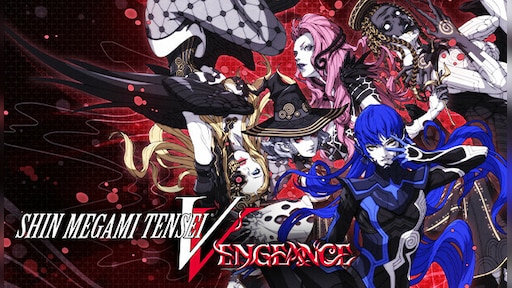
Shin Megami Tensei V: Vengeance
Release Date: June 14, 2024
Genres: Role-playing (RPG), Adventure, Turn-based strategy (TBS)
Future Implications
Atlus’ approach could influence how studios operate moving forward.
- Better working conditions attract top talent
- Long-term teams improve development quality
- Reduced turnover lowers project risk
If successful, this model could become a benchmark for sustainable game development.
Final Thoughts
In an industry dominated by layoffs and uncertainty, Atlus is taking a rare and notable step in the opposite direction.
By investing in its developers, the company is betting that better conditions lead to better games.
If that pays off, don’t be surprised if more studios start following the same path.