


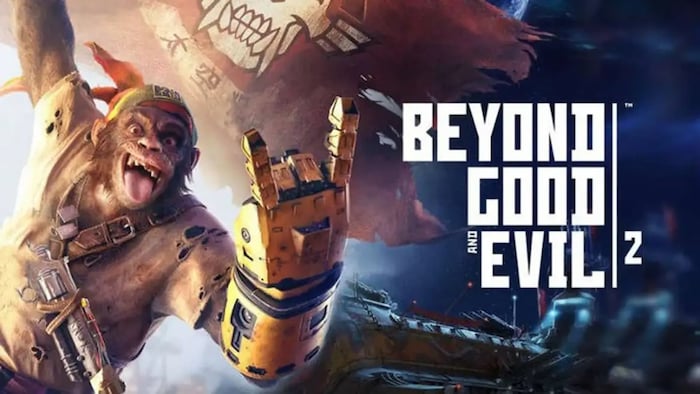
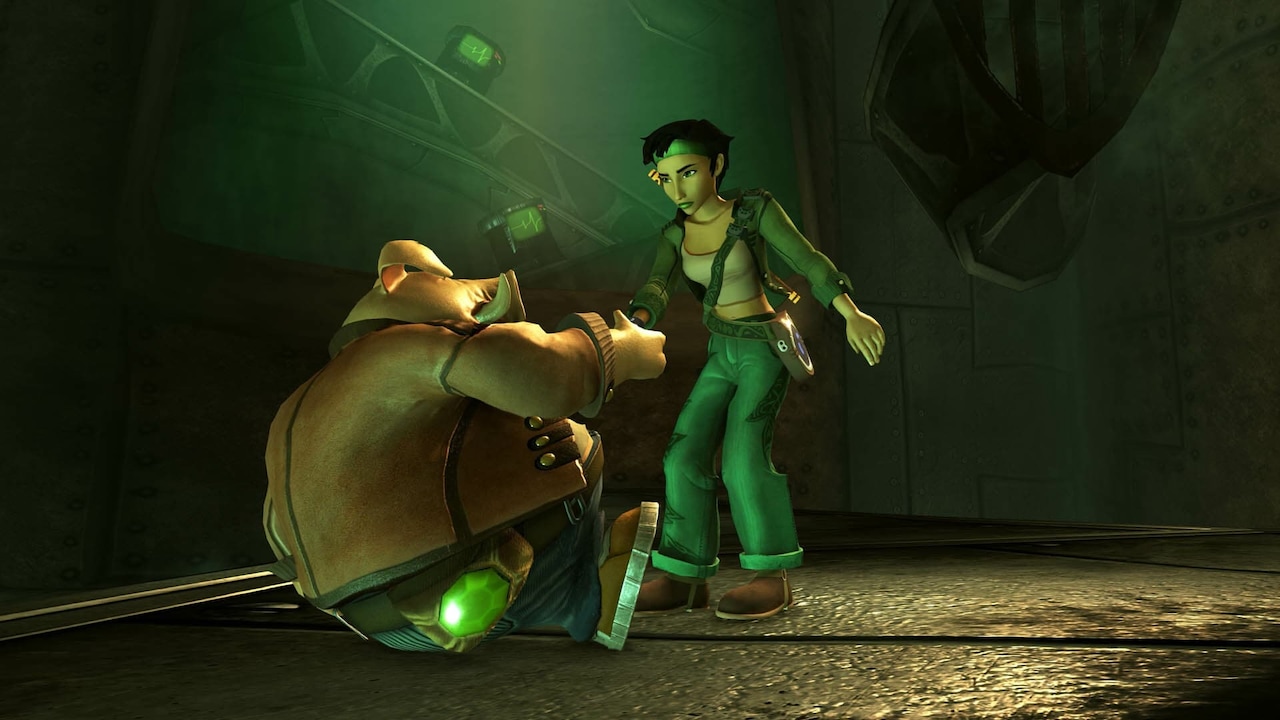
Everyone who’s been gaming long enough knows the feeling. You wait for a sequel that never seems to show up. At first, there’s hype. Then silence. Eventually, you just move on. For fans of Beyond Good & Evil, that wait turned into a long-running joke and somehow, it’s still going.
Ubisoft teased Beyond Good & Evil 2 all the way back in 2008. Since then, it’s become one of the most drawn-out developments in gaming history. It’s passed the 14-year mark set by Duke Nukem Forever and kept going.
And yet, the project hasn’t been canceled. Ubisoft is still hiring for it and that tells you something. The game isn’t dead, it’s just moving at a pace most studios would never survive.
Beyond Good & Evil 2’s Development Timeline
The teaser first dropped in 2008. We’ve seen entire console generations come and go since then. Most large-scale games are done in about five years. This one has been cooking for 17.
Normally, projects with that kind of timeline either get shut down quietly or reshaped into something new, but this one’s different. It’s still listed as active, even without gameplay footage, a playable build, or a release date.
A commitment that long opens the door to a lot of questions. What stage is the game really in after all this time? How much of the original vision has survived? And why is Ubisoft still backing it when most publishers would have walked away?
Ubisoft Is Still Staffing the Project
You’d expect a team this deep into development to be down to a skeleton crew, especially after such a long stretch. But that’s not what’s happening here. Ubisoft recently posted an opening for a Technical Sound Designer at their Montpellier studio, the original home of the game.
This is a senior role that asks for over five years of experience. The job focuses on designing and integrating audio in a functional build, not just planning sound effects or creating samples in isolation. That kind of position doesn’t show up unless there’s a game in progress with real systems in place.
Hiring at this level suggests the project is still active in a meaningful way. They’re building on top of a working foundation and filling in the details.
The Project Still Aims Big
Most job listings don’t reveal much, but this one offers a rare look at how the game is shaping up. According to the description, the team is still working toward an open-world space adventure with planet exploration, co-op gameplay, and a deep setting. That aligns with what fans were told years ago, and that vision appears to be intact.
One detail that stands out is the continued use of Ubisoft’s custom Voyager engine. Keeping a custom engine like Voyager running after all these years isn’t simple. It takes consistent funding, ongoing technical support, and a team that knows it inside and out. Most studios would have switched to something like Unreal by now to speed things up. The fact that Ubisoft is still using their own tools says a lot about how closely the game is tied to that original design.
That kind of investment, not just in time, but also in technology and infrastructure, points to a team that’s still locked into what they set out to build, not just finishing something for the sake of it.
Where Things Stand Now
At this stage, Beyond Good & Evil 2 feels like more than a follow-up. Its long, winding development has made it a case study in creative persistence. Very few games stay in production this long and still show signs of forward motion.
This continued focus on Beyond Good & Evil 2 stands out even more when you look at Ubisoft’s current strategy. In recent years, the company has leaned heavily on remakes and remasters, including upcoming versions of Prince of Persia: The Sands of Time and Assassin’s Creed IV: Black Flag.
These projects are safer bets, often built on familiar frameworks with proven appeal. By contrast, Beyond Good & Evil 2 represents the opposite approach: an original title with a long, uncertain path and a massive creative scope.
Beyond Good & Evil 2 Development
No one knows if it’ll pay off. Maybe it delivers something special. Maybe it struggles to meet the expectations built up over nearly two decades. The project is still moving, still evolving, and still aiming for something ambitious. That commitment alone makes it one of the most unusual and closely watched projects in modern gaming.