





Pearl Abyss has officially apologized after players discovered undisclosed AI-generated art in Crimson Desert.
The studio confirmed that some AI-generated assets were unintentionally left in the final release, even though they were only meant to be temporary placeholders during development.
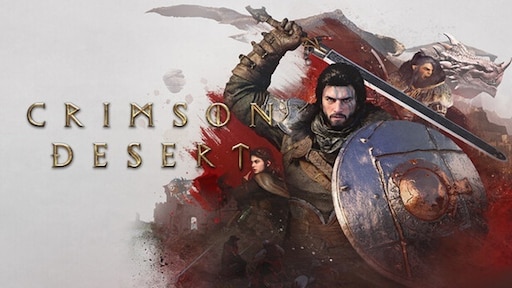
Crimson Desert
Release Date: March 19, 2026
Genres: RPG, Action, Adventure
Now, developers are auditing the game and working on removing all affected content. Here’s what actually happened — and why it matters.
TL;DR – Crimson Desert AI Art Controversy
- Pearl Abyss accidentally left AI-generated placeholder art in the final game
- Players spotted unusual textures and murals at launch
- The issue escalated due to missing disclosure on Steam
- Developers issued an apology and started a full asset audit
- The situation sparked a wider debate about AI use in game development
Table of contents:
Crimson Desert AI Art Controversy Discovery
This controversy began on launch day, when players started noticing visual inconsistencies in paintings and murals across the game world.
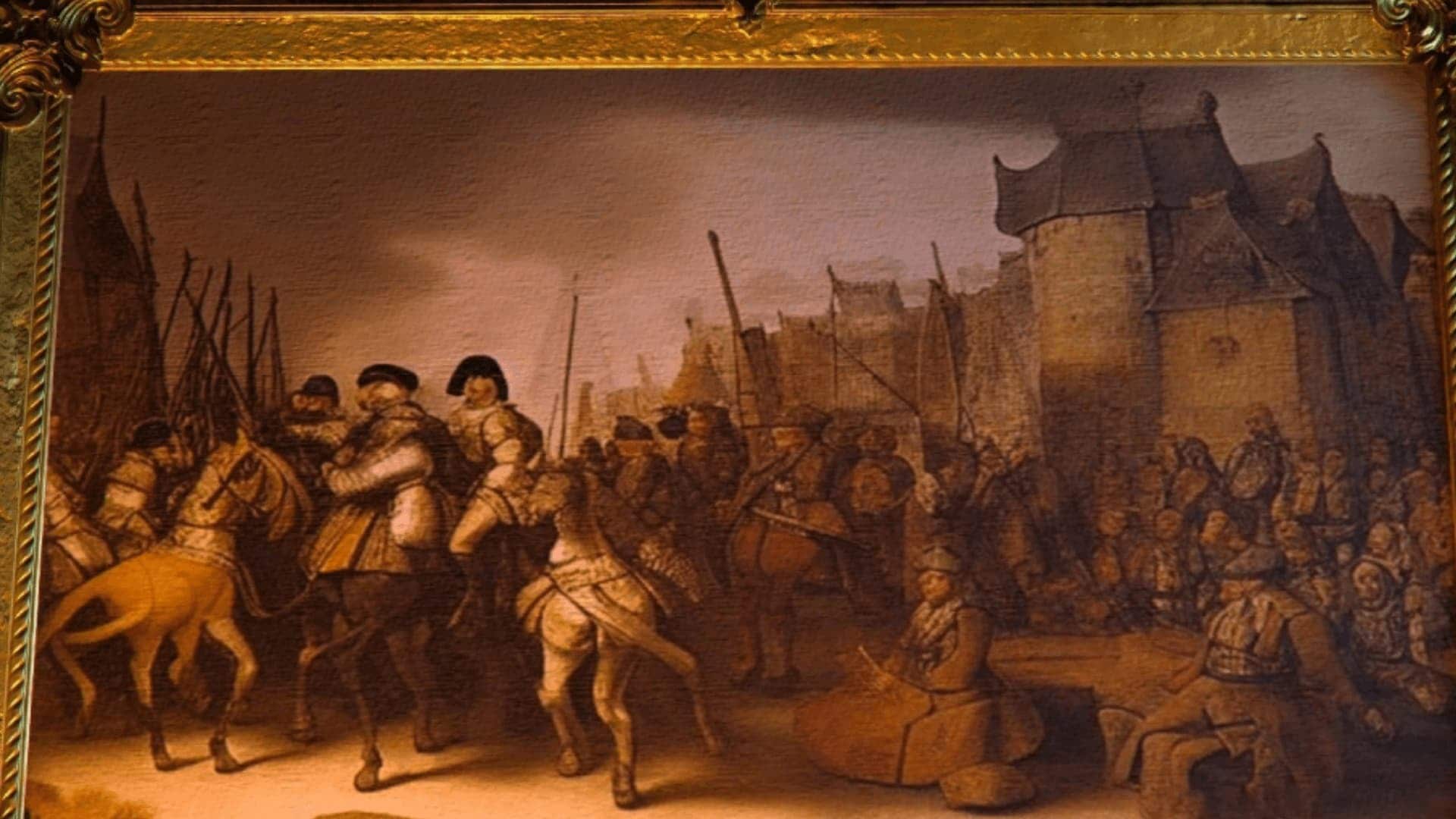
At first glance, nothing seemed broken — but something felt off. Once players looked closer, the differences became obvious.
- Strange, distorted details
- Inconsistent shapes and patterns
- Visual elements that didn’t connect logically
Screenshots quickly spread across Reddit, with players comparing assets side by side. The longer people examined them, the clearer it became that these textures shared traits commonly associated with generative AI art.
Pearl Abyss AI Apology: Developer Statement
Pearl Abyss responded publicly and described the situation as an internal oversight.
According to the studio, AI tools were used early in development to create temporary 2D placeholder assets. These were meant to help define tone and visual direction during prototyping — a common practice in modern pipelines.
However, the issue arose when some of these placeholder assets were never replaced before release.
The developers admitted that:
- The assets did not meet quality standards
- Their inclusion in the final build should not have happened
- The use of AI should have been disclosed
Ongoing Fixes and Internal Review
The studio is taking concrete steps beyond just issuing an apology.
A full audit of in-game assets is currently underway, aiming to identify every instance of AI-generated content — even those that are difficult to notice.
Once found, these assets are being:
- Removed from the game
- Replaced with final, artist-created versions
At the same time, Pearl Abyss is reviewing its internal workflows to understand how placeholder content passed through multiple stages without being flagged.
While the studio confirmed that changes will be implemented, details about those improvements have not yet been shared.
AI Assets Gaming Debate
The community reaction has been sharply divided.
On one side, players see this as a transparency issue. For them, the real problem is not just AI usage, but:
- Lack of disclosure
- Unfinished assets in a released game
On the other side, some players argue that the backlash is overblown.
They point out that:
- AI tools are already part of modern development pipelines
- This case reflects a mistake, not a shift in design philosophy
In many discussions, attention shifts quickly toward gameplay and performance, which some players consider more important than background assets.
Industry Context and Ongoing Debate
This situation reflects a broader trend across the gaming industry.
AI-generated content is becoming increasingly common, especially in early development stages where it speeds up iteration and concept work.
At the same time, player expectations are evolving:
- Higher standards for final asset quality
- Clear disclosure of AI usage
- Greater emphasis on the role of human artists
The Crimson Desert controversy doesn’t exist in isolation — it’s another example of an ongoing industry-wide discussion about production standards, transparency, and trust.