



Thomas Mahler says it straight: No Rest for the Wicked was never meant to be a one-and-done ARPG.
From day one, it was built as a long-term foundation, designed to grow over the years with expansions, new modes, and ongoing content — a core part of Moon Studios forever game vision.
You can expect this world to evolve rather than staying static after launch.
TL;DR — Wicked’s “Forever Game” Vision
- Designed as a long-term evolving ARPG, not a standalone release.
- Built on a modular development foundation over 5–10 years.
- Planned large expansions, cinematic content, and experimental modes.
- Aims to avoid seasonal resets and sequel-driven design.
- High ambition — but real risks remain.
Table of Contents
From Together Update To 1.0
The recent Together update gave players a taste of new features, but the studio is clearly gearing up for the full 1.0 launch as part of its broader No Rest for the Wicked 1.0 plans.
Thomas Mahler stresses that the game was built according to a long-term ARPG expansion strategy model. The team has spent 5-10 years building a massive modular game development foundation of assets and systems that will support expansions and new modes for years to come.
The most essential points Mahler highlights:
- A deep, interconnected systems design vision that supports modular growth and long-term expansion.
- Extensive world-building and asset creation over nearly a decade.
- Infrastructure to support expansions, events, and evolving gameplay, maximizing asset reuse production efficiency.
The Expansion Model
No Rest for the Wicked is designed to keep evolving over time, following what many describe as the Thomas Mahler Wicked expansion model. The team has a clear post launch campaign expansions roadmap to keep the world growing:
- Large expansions for story and world depth.
- Cinematic sequences and traditional ARPG loot and progression.
- Smaller modules for innovation and testing new gameplay loops.
The ‘Forever Game’ Ambition
Mahler’s vision is a living game ecosystem where players remain in one evolving world instead of moving to a sequel.
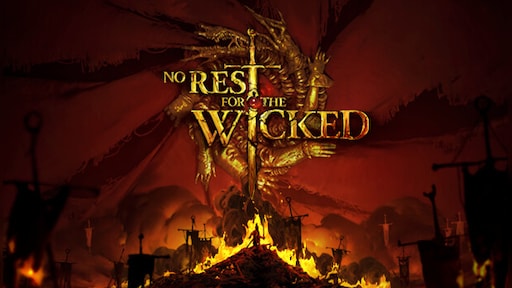
No Rest for the Wicked
Release Date: April 18, 2024
Genres: Role-playing (RPG), Strategy, Adventure
The game will expand organically through modular updates, reflecting a live service alternative philosophy that avoids the typical seasonal reset structure. It encourages long-term engagement without forcing a “Metaverse-style” approach.
In short, the elements of this approach include:
- A single persistent world for ongoing player engagement.
- Modular updates to grow and pivot gameplay naturally.
- Long-term strategy to make the game a continual destination rather than a one-off experience.
Genre Crossover Potential
Thomas Mahler explained that No Rest for the Wicked can expand into new gameplay styles because its core systems are already in place. This makes it possible to experiment with different genres without rebuilding fundamental mechanics from scratch.
Some examples connected to the Wicked rogue-like survival mode plans include:
- Rogue-like modes with procedural challenge loops.
- Survival mechanics layered onto existing combat systems.
- Flexible world events that adapt to different playstyles.
Industry Implications
Mahler also emphasized that this approach could change how publishers think about development risk, offering a way to innovate within one game rather than committing to costly sequels. He pointed to Riot’s MOBA innovations as an example, using a Riot MOBA animation commit analogy to illustrate how traditional cost barriers can limit experimentation.
In practical terms, this model could benefit the industry in several ways:
- Continuous content growth without full project resets.
- Reduced financial risk when testing new gameplay modes.
- Ability to leverage existing systems for experimental features.
Risks And Reality
The vision for No Rest for the Wicked is definitely ambitious, but it comes with real challenges. Expanding one game over many years requires careful planning to avoid pitfalls, especially as systems become more complex and players’ expectations grow.
Main risks include:
- Scope creep as systems grow more complex.
- Player fatigue from constant updates.
- Maintaining quality across multiple modes.
Some compare this idea to Spore, which promised deep modular gameplay but struggled to deliver it. Mahler argues that Wicked is different because its combat and core systems are already strong, giving the team a solid base to build on.
Conclusion
For Mahler, version 1.0 is definitely not the finish line, but the foundation for No Rest for the Wicked future development. It’s the starting point for everything that comes next!