
Resident Evil just hit its 30th anniversary, and Capcom is celebrating it with strong results from Resident Evil Requiem.
The series remains in excellent shape, with new releases, remakes, and spin-offs already confirmed or in development. Three decades later, Resident Evil is still one of the most important brands in gaming.
TL;DR – Resident Evil 30th Anniversary
- Resident Evil celebrates 30 years since its 1996 debut
- Over 150 million copies sold across the franchise
- Resident Evil Requiem is the fastest-selling entry so far
- Capcom confirms more projects in development
- The series continues to evolve while keeping its core identity
Table of contents:
Resident Evil 30th Anniversary: Where It All Started
March 22, 1996 is where it all began.
The first Resident Evil, released as Biohazard in Japan on the original PlayStation, laid the groundwork for what would become the survival horror genre.
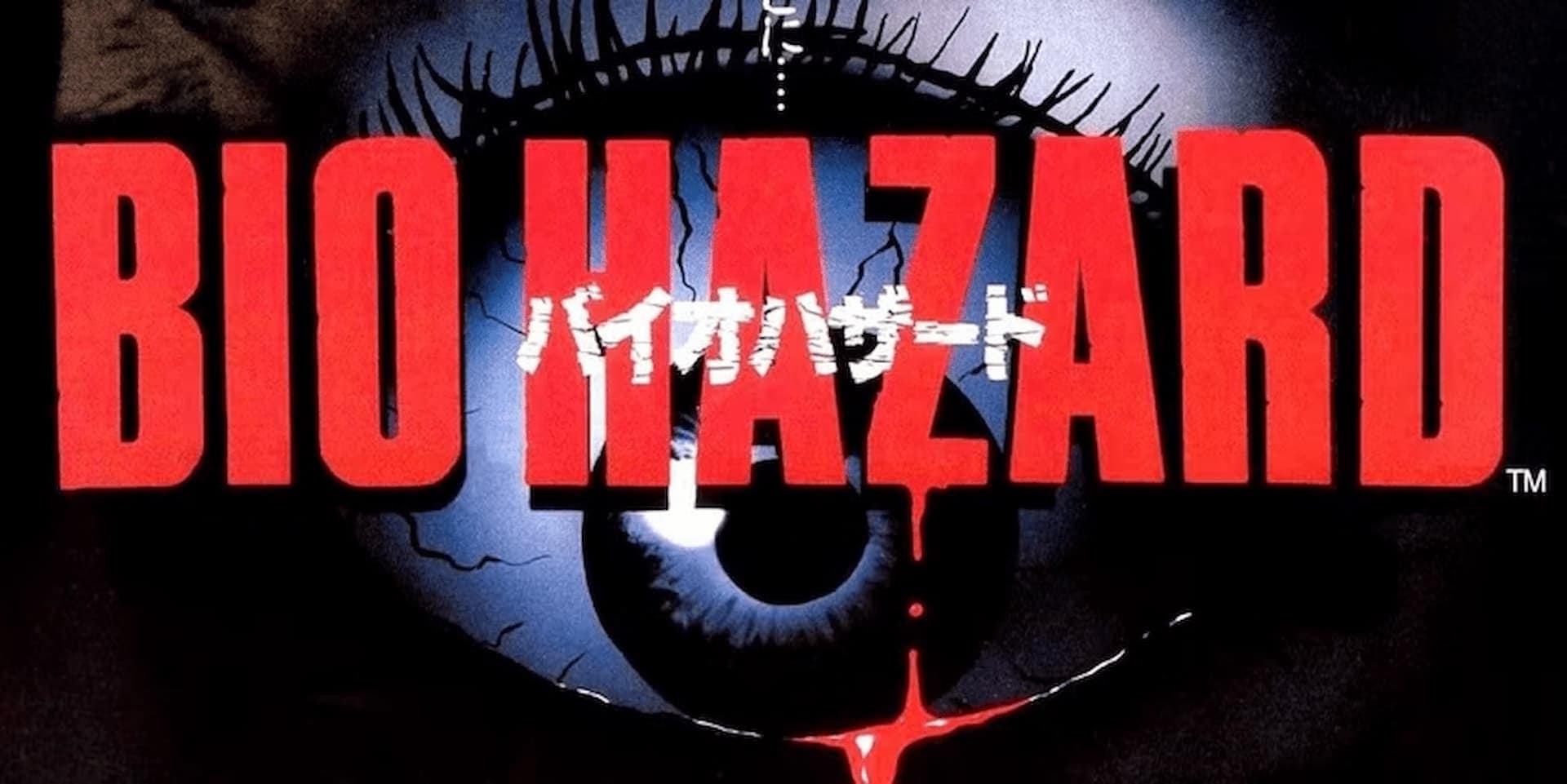
The formula was simple but revolutionary at the time:
- Fixed camera angles that limited visibility
- Restricted inventory space forcing tough decisions
- Manual saves tied to ink ribbons
This design created tension through limitation. Every bullet mattered, every decision counted, and every hallway could be your last.
Over time, the franchise expanded into sequels, remakes, films, and spin-offs, becoming one of Capcom’s most reliable long-term successes with over 150 million copies sold.
Requiem’s Early Performance
Resident Evil Requiem is now the fastest-selling entry in the series.
The game has already reached over 6 million players worldwide shortly after launch, outperforming previous entries at the same stage.
What makes Requiem stand out is its balance between old and new design philosophies:
- Classic survival horror elements like resource management and slower exploration
- Modernized combat and movement systems
The return to Raccoon City is more than nostalgia. It reconnects the story to key events like the original outbreak while bringing players back to locations that haven’t been revisited in years.
Message from Capcom
Capcom marked the anniversary with a message from executive producer Jun Takeuchi.
He thanked players for their long-term support and highlighted the importance of the community in keeping the series alive across generations.
In his words:
The message confirms that new Resident Evil projects are already in development, and that the current success is part of a long-term strategy rather than a one-time peak.
Why the Series Still Holds Up
Across three decades, Resident Evil has remained relevant by evolving without losing its identity.
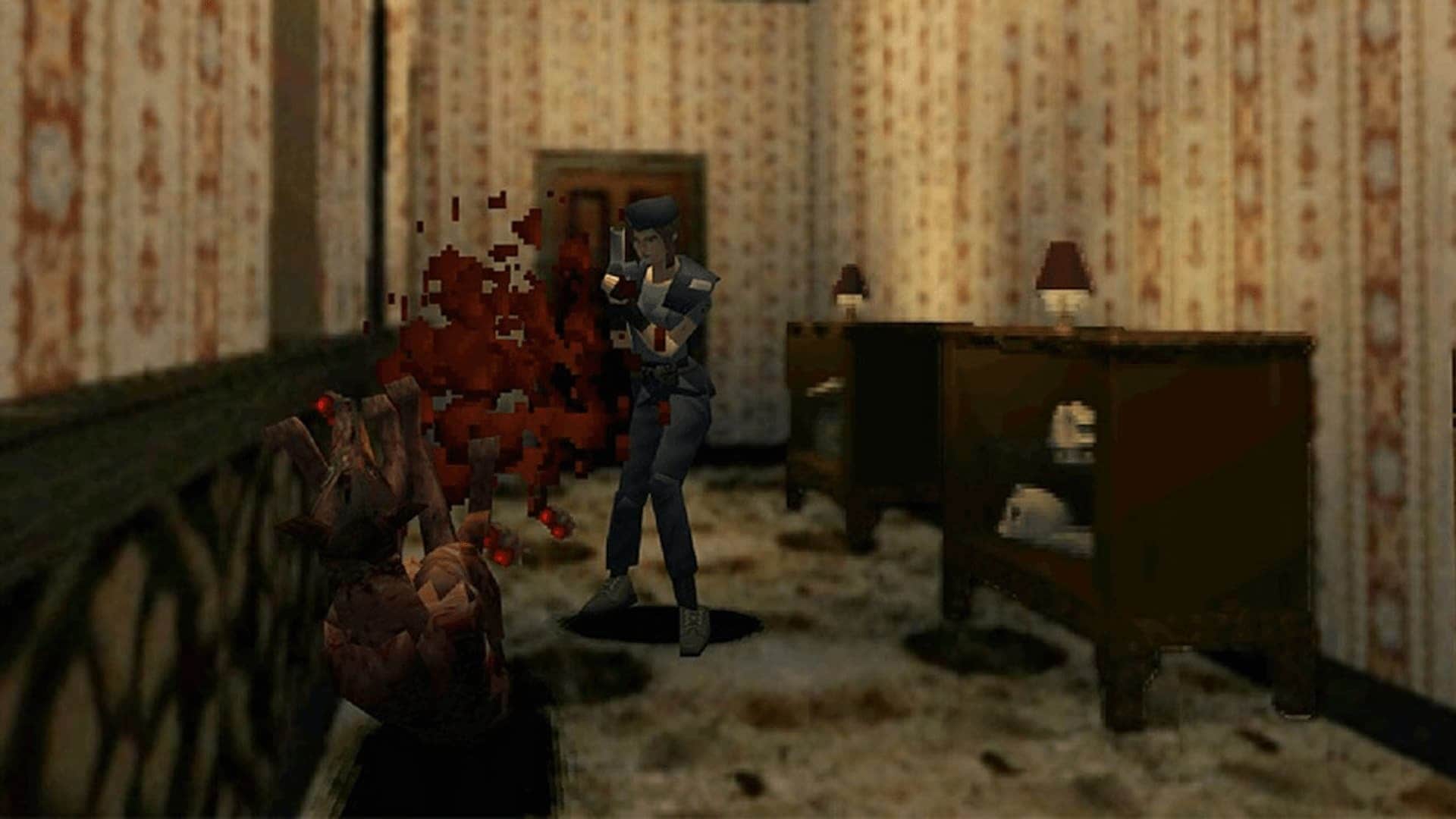
The early entries focused on:
- Slow pacing
- Limited resources
- Careful planning
You couldn’t rush through them — you had to think ahead.
Then came Resident Evil 4, which shifted the formula with:
- An over-the-shoulder camera
- More dynamic combat
- Faster gameplay flow
This change influenced not just Resident Evil, but the entire third-person shooter genre.
Modern remakes and new entries now combine both approaches. They preserve the tension and resource management while improving controls, pacing, and accessibility.