




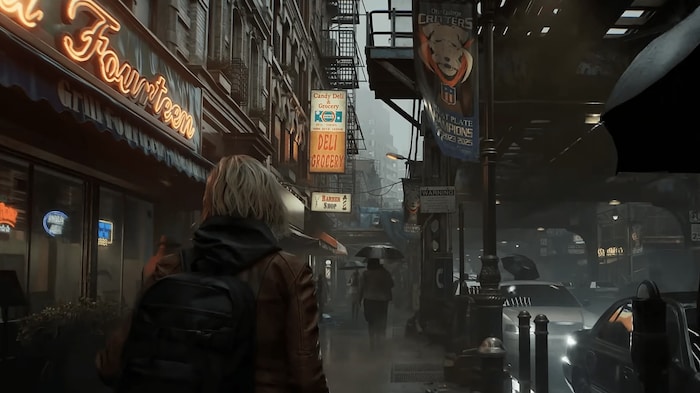
Capcom says Resident Evil Requiem will offer an optimized PS5 Pro experience, delivering 4K at 60 FPS with ray tracing enabled. On top of that, players with compatible 120Hz display can switch to a high‑frame‑rate mode that reaches up to 120 FPS, averaging around 90 FPS in real gameplay.
With the game launching on February 27, this performance boost sets clear expectations for what PS5 Pro owners can look forward to.
Resident Evil Requiem: Specs, Options and What It Means in Practice
The PS5 Pro version of Resident Evil Requiem adds a full ray tracing toggle, giving you a direct choice between visual fidelity and raw performance. With ray tracing ON, the game targets 4K60, while the high frame rate mode pushes up to 120 FPS on supported displays.
To make it clear, here’s what those specs mean in practice:
- Ray tracing ON (4K60): delivers stronger lighting, more realistic reflections, and a richer, more atmospheric look that enhances every dark hallway and tense encounter.
- High‑frame‑rate mode (up to 120 FPS): provides smoother aiming, cleaner camera motion, and a more responsive feel overall, especially during fast turns or combat-heavy moments.
These options let you decide between cinematic visuals or maximum fluidity, depending on your display, your playstyle, and the kind of experience you want from the game.
What to Expect at Launch
Performance will still change depending on what’s happening on screen, but Capcom is trying to set clear expectations by sharing its target frame rates and average results before launch.
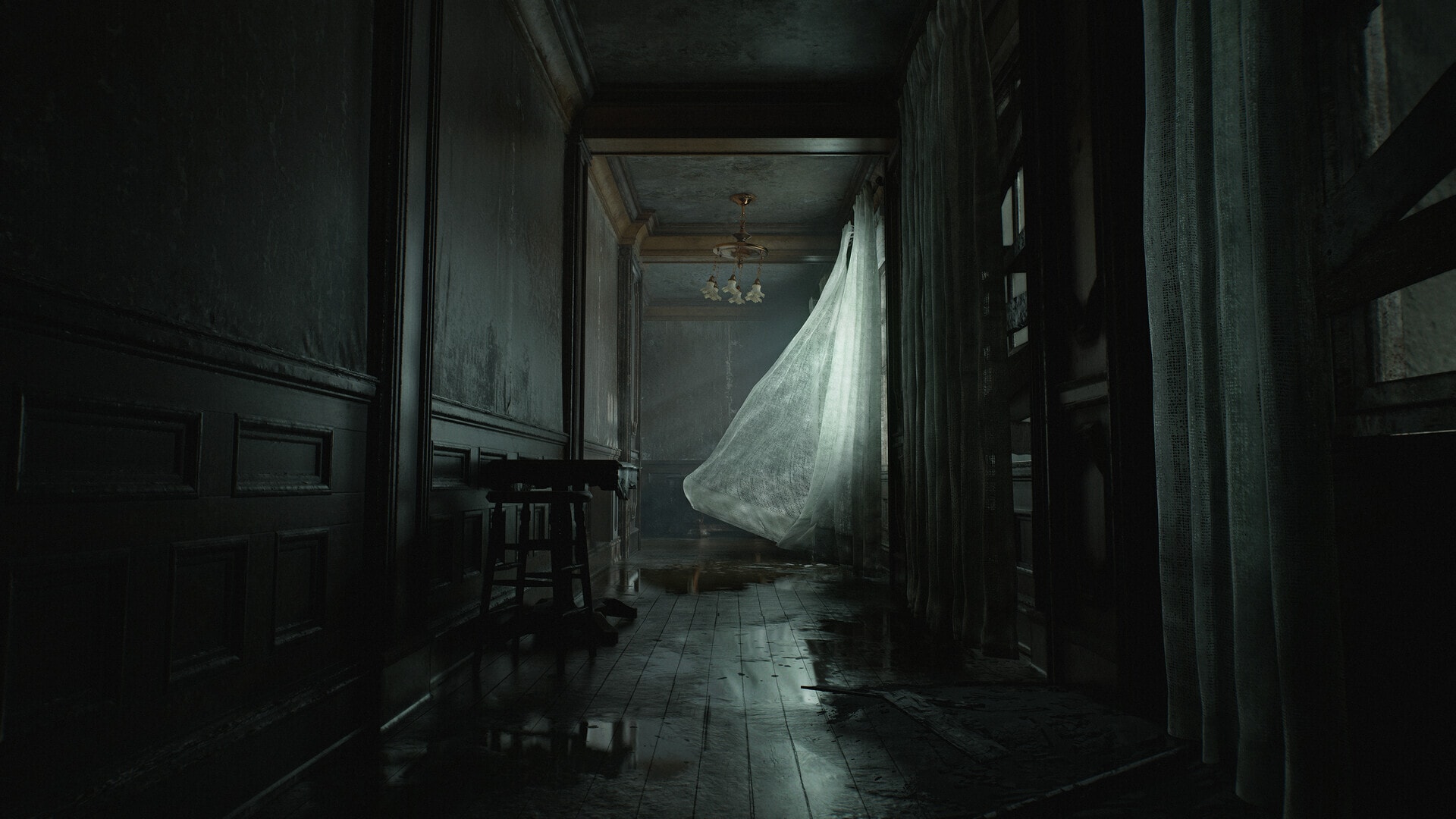
It can give you a simple idea of how each mode should normally run, even though the exact performance will naturally rise or fall during more demanding moments.
Game Overview
Resident Evil Requiem is the ninth main game in the series, and it follows FBI analyst Grace Ashcroft as she investigates several strange and unexplained deaths at the Wrenwood Hotel. What begins as a standard case quickly becomes more personal when she discovers that the events are connected to her mother, Alyssa Ashcroft, whose past seems tied to the hotel’s dark history.

As Grace digs deeper, the mystery grows wider and more dangerous, and early reports suggest that Leon S. Kennedy will also appear in the story. His involvement adds another familiar thread for long‑time fans and hints that the plot may connect new characters and legacy figures in meaningful ways.
The atmosphere and pacing follow the style Akishi Nakanishi is known for, and the RE Engine helps bring it to life with realistic lighting, grounded horror, and a slow‑building tension that shapes the whole experience.
Franchise Relevance
The performance options Capcom is outlining connect directly to what makes Resident Evil work so well. The series thrives on thick atmosphere, dramatic lighting, and a cinematic sense of tension. All these elements benefit from higher fidelity. Below, there are the key advantages you will notice:
- Sharper lighting and reflections help build stronger mood, tension, and environmental detail.
- Smoother camera motion improves precision, aiming accuracy, and overall control during tense encounters.
- Higher‑fidelity visuals enhance immersion and reinforce the series’ signature cinematic horror style.
These upgrades work together to elevate the atmosphere and presentation that define Resident Evil, making each performance mode feel like a meaningful choice rather than a simple graphics toggle.
Resident Evil Requiem arrives February 27 on:
- PS5
- PS5 Pro
- Xbox Series X|S
- Switch 2
- PC
With the game landing on every major platform, players will have plenty of ways to experience its new story and upgraded visuals. One thing is certain: this release is shaping up to be a major moment for the franchise.
If you’re planning to jump in, share which mode you’re leaning toward — 4K60 with ray tracing or high‑FPS gameplay. Also, let the community know what you’re hoping to see when Capcom reveals more of the game.