





Sony is reportedly experimenting with a dynamic pricing system on the PlayStation Store, which could result in different users seeing different prices for the same game.
According to tracking data from PSprices, the experiment has been active since November 2025. The system may already affect more than 150 games across multiple regions, with discounts varying depending on the user.
The feature appears to rely on A/B testing tools designed to evaluate how players respond to different price offers.
TL;DR — PlayStation Dynamic Pricing
- Sony may be testing personalized pricing on the PlayStation Store.
- The experiment reportedly began in November 2025.
- More than 150 games could already be affected.
- Discounts appear to vary depending on the user and region.
- Some tests even include price increases for certain users.
How the Dynamic Pricing Test Works
The discovery comes from price-tracking platform PSprices, which monitors PlayStation Store listings across more than 50 regions.
During routine tracking, the platform detected unusual identifiers in the PlayStation Store API, suggesting that Sony may be running a controlled pricing experiment.
The identifiers found in the system include:
- IPT_PILOT
- IPT_OPR_TESTING
These tags typically indicate A/B testing systems, which allow companies to display different offers to separate user groups and analyze purchasing behavior.
Games Potentially Included in the Test
Early tracking data suggests that several major titles may already be part of the experiment.
Reported examples include first-party PlayStation games such as:
- Marvel’s Spider-Man 2
- God of War Ragnarök
- Helldivers 2
- Stellar Blade
Some third-party titles also appear to be involved, including:
- Kingdom Come: Deliverance 2
- WWE 2K25
- Warhammer 40,000: Space Marine 2
Discounts observed in the tests range from roughly 5% to over 17%, depending on the game and the user profile.
More recent tracking suggests the system may be expanding even further. Some reports indicate discounts reaching nearly 27.8% and covering more than 180 games.






A new identifier, IPT_LTM, was also discovered, possibly indicating experiments with elastic pricing. In some cases, prices could increase rather than decrease.
Regions Affected by the Test
The experiment appears to be running across more than 70 territories.
These include regions in:
- Europe
- The Middle East
- Africa
- Latin America
- The United States
Interestingly, Japan does not appear to be included in the testing pool. This may be related to stricter consumer protection laws and pricing transparency regulations.
The Dynamic Pricing Debate
Dynamic pricing has become a controversial topic in recent years, particularly after high-profile cases in other industries.
One notable example involved Ticketmaster during the Oasis reunion ticket sale. In that situation, demand-based algorithms increased ticket prices by more than 200%, which triggered widespread criticism.
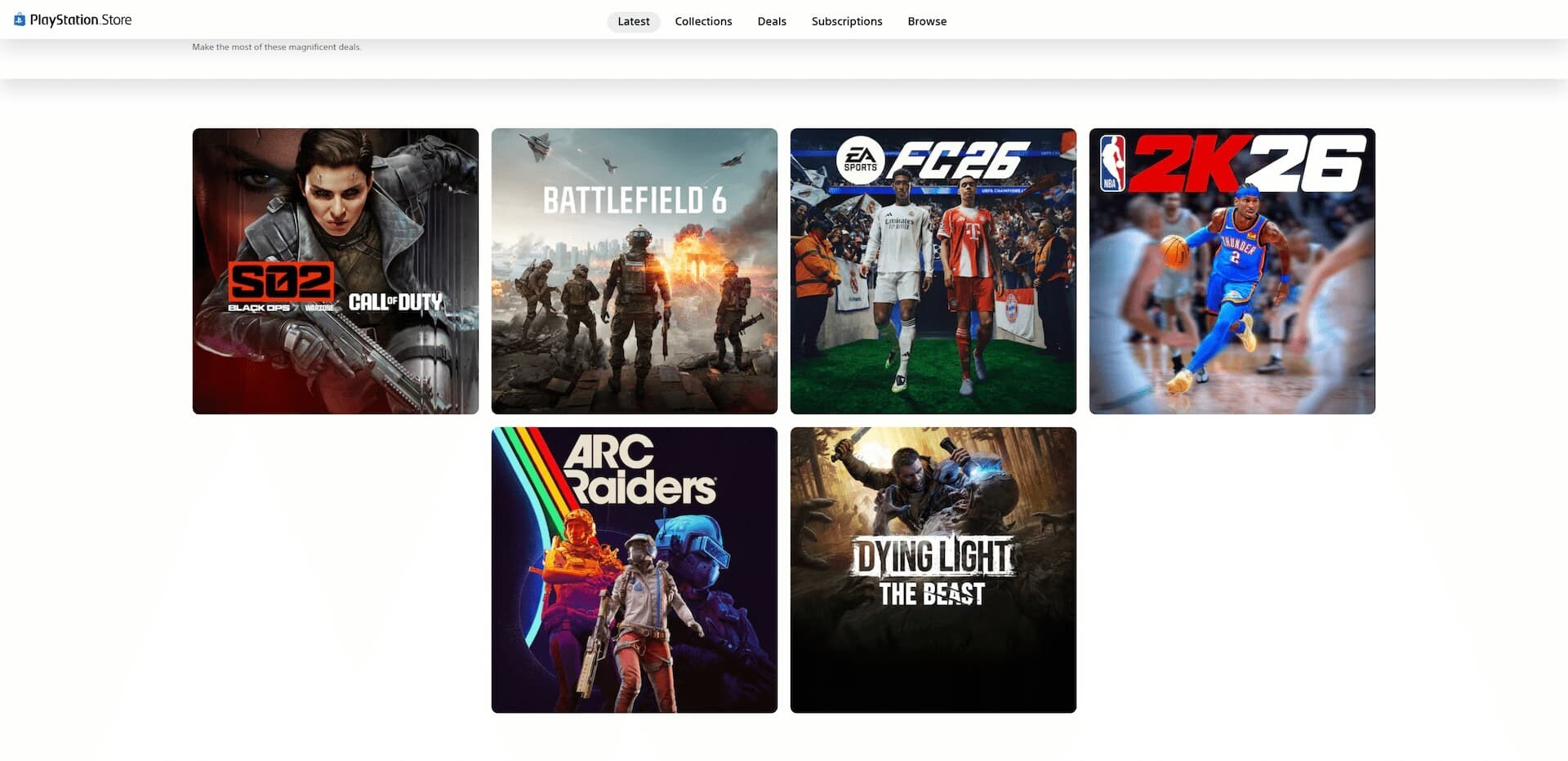
While Sony’s current tests appear to focus mainly on personalized discounts, the underlying concept of variable pricing raises questions about fairness and data usage.
Many online platforms already rely on algorithms that adjust prices based on user activity, purchasing history, or demand patterns.
Sony’s Broader Platform Strategy
The pricing experiment also appears at a time when Sony is re-evaluating parts of its overall platform strategy.
After several years of expanding PlayStation franchises to PC, recent reports suggest the company may place greater emphasis on console exclusivity again.
Meanwhile, discussions around the next generation of PlayStation hardware continue, with some analysts speculating about potential delays linked to global semiconductor supply issues.
What This Could Mean for Players
If Sony expands dynamic pricing beyond its testing phase, PlayStation users could begin seeing different prices for the same game.
Factors that might influence pricing include:
- Region
- Purchase history
- Platform engagement
- Previous spending patterns
While personalized discounts may seem beneficial in some cases, the idea that prices could also increase depending on user behavior could spark debate within the PlayStation community.