





The Zelda series’ 40th anniversary was only part of Nintendo’s reasoning. Producer Eiji Aonuma also wanted the current Zelda team to study the structure and development philosophy of Ocarina of Time by rebuilding it themselves, potentially carrying those lessons into future games. Nintendo additionally wants players raised on the freedom of Breath of the Wild to experience a more carefully paced, structured Zelda adventure.
Nintendo probably did not need an elaborate justification for remaking The Legend of Zelda: Ocarina of Time. It is one of the company’s most celebrated games, the Zelda series is celebrating its 40th anniversary, and Nintendo Switch 2 could hardly ask for a safer piece of first-party nostalgia.
But according to Eiji Aonuma, the project has another purpose: Nintendo is effectively using the remake to teach a newer generation of Zelda developers what made Ocarina of Time so important in the first place.
Speaking in Nintendo’s new Ask the Developer interview, Aonuma explained that many people working on Zelda today have only developed the more recent games in the series. That made him wonder how well the current team understood Ocarina of Time’s importance, and what they might discover by rebuilding its structure rather than simply playing through it again.
For more on the remake itself, our Ocarina of Time Switch 2 release and features guide covers the November 5 launch, modernized controls, voice acting, orchestral soundtrack and other confirmed upgrades.
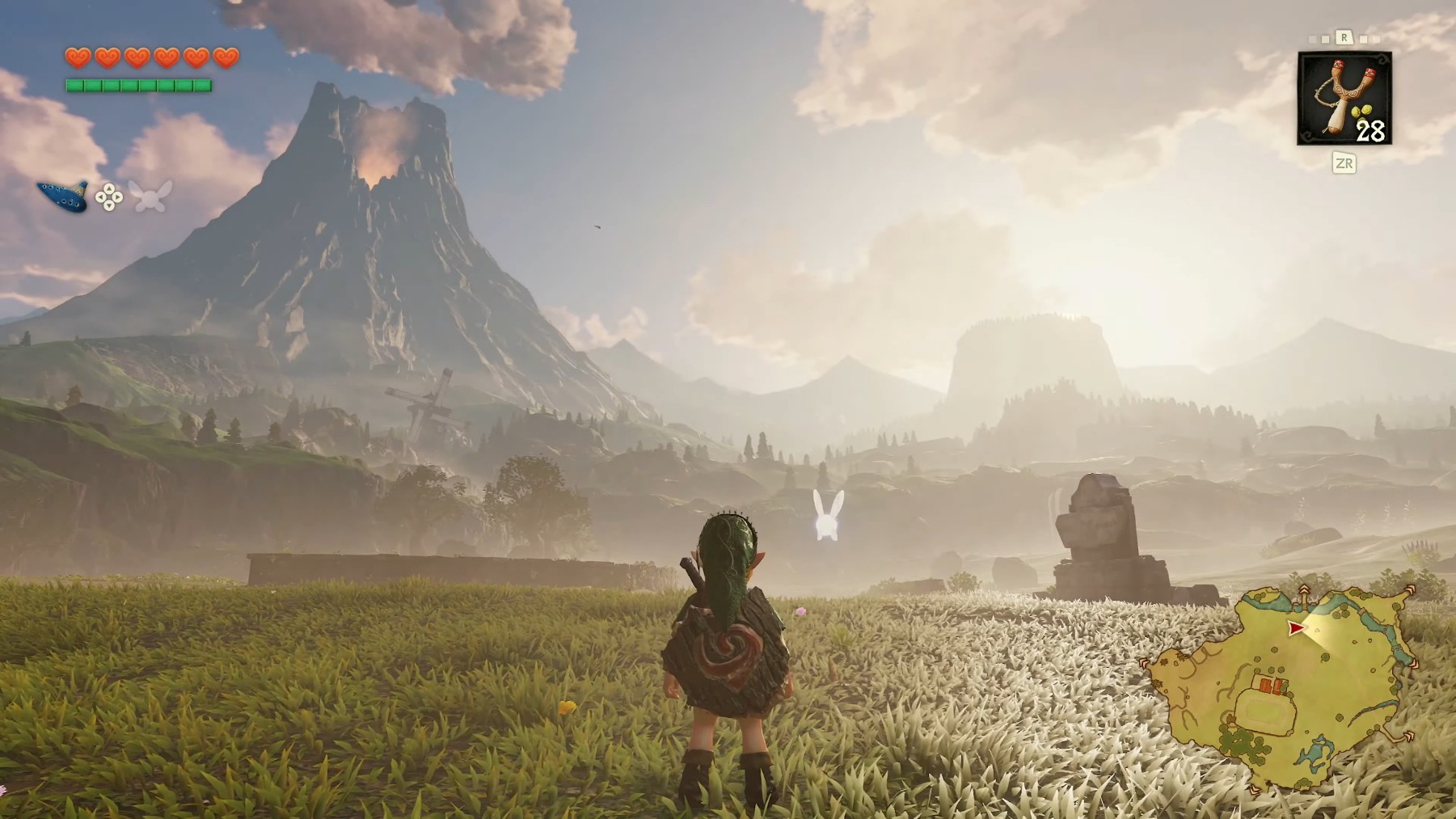
Table of Contents
Nintendo wanted its own developers to learn from Ocarina of Time
Aonuma said the Zelda 40th anniversary started him thinking about what he should create as series producer. But the anniversary itself was not enough to explain why Nintendo chose a full ground-up remake rather than another rerelease.
The more unusual motivation came from inside Nintendo.
Many members of today’s Zelda team built their careers around games created long after the Nintendo 64 era. Some knew Ocarina of Time from childhood, some had experienced it later, and some joined the franchise through more recent development projects. Aonuma began wondering what those developers would take from Ocarina if they had to examine it at the level required to rebuild it.
His hope is that understanding its structure and original development approach will “trigger new insights” that can be carried into future Zelda development.
That makes the remake sound almost like an internal design exercise that players also happen to get at the end. Instead of giving the younger team a presentation about why Ocarina mattered, Nintendo handed them Hyrule and asked them to rebuild it.
Nintendo also wants the Breath of the Wild generation to experience classic Zelda
The second reason points outward rather than inward.
Aonuma specifically mentioned players familiar with games such as Breath of the Wild, where the player is given enormous freedom over where to go and what to do from very early in the adventure.
Ocarina of Time represents a very different Zelda rhythm. Its story, dungeons, discoveries and player growth are deliberately sequenced. New tools open new opportunities, characters gradually expand the story, and the adventure builds toward later areas rather than handing you most of Hyrule at once.

Nintendo has been positioning the remake as a legitimate entry point for newcomers for months. Our guide to playing Ocarina of Time as your first Zelda explains why you do not need decades of series knowledge before starting the remake.
And if the chronology is what interests you, Ocarina remains particularly important. It is the major branching point in Nintendo’s traditional Zelda timeline, as covered in our complete Zelda timeline guide.
Nintendo even tried adding more fast travel, then removed it
The interview also gives a particularly good example of why rebuilding Ocarina instead of simply discussing it produced useful lessons.
Aonuma initially thought the remake should address how much time players spend crossing Hyrule Field. Modern Zelda games offer abundant warp points, while veterans of the Nintendo 64 version will remember Link repeatedly forward-rolling across the landscape because it felt slightly faster.
So the team experimented with additional warp points and shortcuts.
Then Nintendo removed them.
Why? Shortening every journey also removed the little discoveries players made while traveling between destinations. The team concluded that those apparently inefficient journeys were part of Ocarina of Time’s exploration structure rather than a problem that simply needed fixing.
It is an unusually revealing anecdote because it shows Nintendo’s remake process working in both directions. Modern hardware and design conventions can expose genuine weaknesses in an old game, but they can also make developers mistake intentional friction for obsolete design.
“The visuals may change, but the experience does not”
The remake team’s guiding principle eventually became simple: “the visuals may change, but the experience does not.”
Director HokWai Ng said the team did not want modernization to erase what people remembered about the original. That is why Ocarina’s world still uses distinct areas rather than being rebuilt as one seamless Breath of the Wild-style landscape.
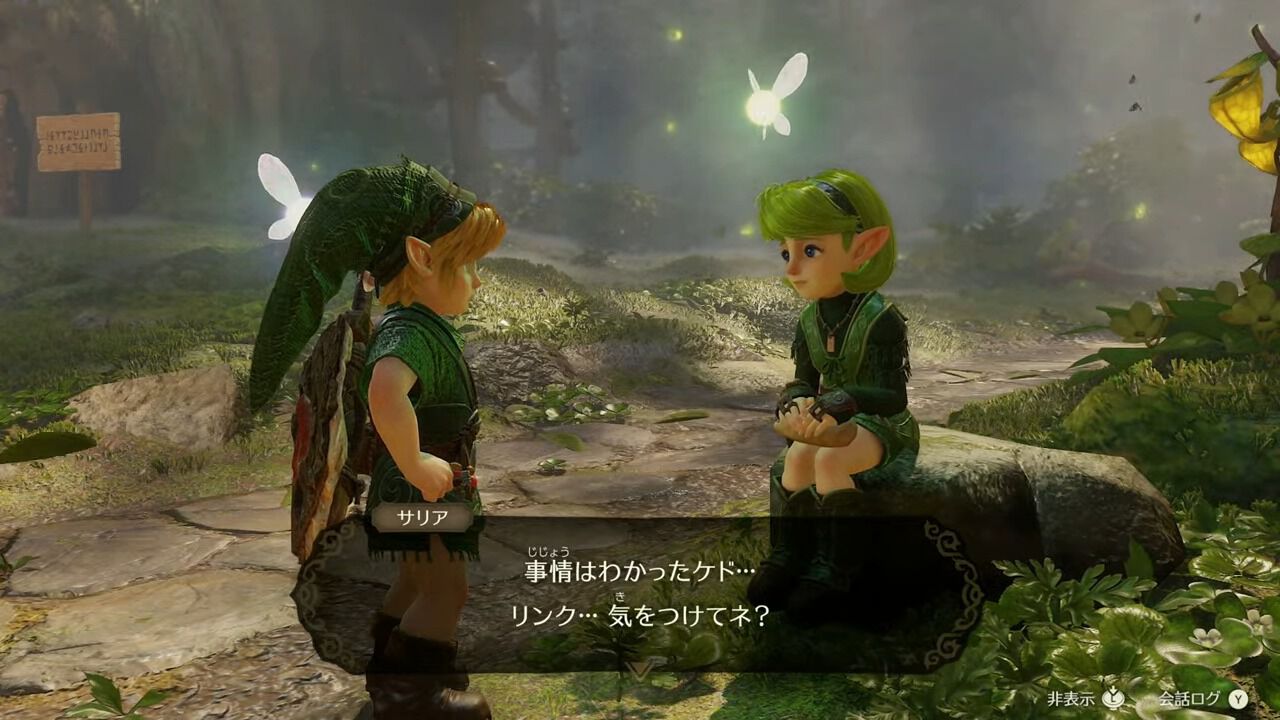
That does not mean the remake is slavishly identical. Nintendo has rebuilt visuals, movement and camera controls for Switch 2, expanded character dialogue, added fully voiced cutscenes and reworked individual interactions around abilities the 1998 version never had to account for.
For a broader look at where Ocarina sits in the franchise, see our complete Zelda games in order guide. The original remains the point where 3D Zelda established conventions that the series would spend decades refining, rejecting and eventually reinventing.
Ocarina of Time launches on Switch 2 this week
The Legend of Zelda: Ocarina of Time launches November 5, 2026 exclusively for Nintendo Switch 2. Nintendo lists the standard US price at $59.99 and an estimated download size of 27 GB.
The remake includes completely overhauled visuals, orchestral music, voiced cutscenes, expanded dialogue, manual jumping and dashing, modern camera movement, faster loading and additional features including microphone recognition for ocarina melodies, the Hall of Fallen Heroes and Zelda Notes integration.
Nintendo’s explanation also makes the timing look more deliberate than a simple anniversary rerelease. Ocarina of Time is being positioned simultaneously as a history lesson for Nintendo’s own developers, an introduction to classic Zelda for newer players and a test of how much of a 1998 game should survive when almost everything around it is rebuilt.
G2A Plus: members can collect Plus Points on eligible purchases, with 100 Plus Points equal to €1 toward future orders. Plus Premium also includes automatic member discounts of up to 10% on as many as 10 eligible items each month, higher discount codes, monthly digital rewards and priority post-purchase assistance.
The remake may matter beyond this one game
That is probably the most interesting part of Nintendo’s explanation.
Ocarina of Time is not being rebuilt only because people remember it fondly. Nintendo is asking developers responsible for the future of Zelda to pull apart one of the series’ foundational games, understand why its structure worked, decide which inconveniences are actually meaningful and rebuild the experience with modern tools.
That does not tell us what the next original Zelda will look like. It does suggest that lessons from a 28-year-old game may be sitting somewhere inside it.
If you want to prepare before November 5, our original remake announcement coverage, complete Switch 2 remake overview, newcomer’s guide and Zelda games in order guide cover the rest.