




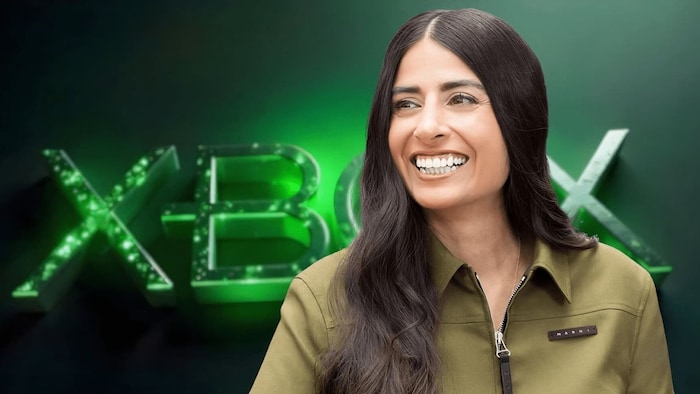
Xbox is undergoing a major transformation in 2026.
With new leadership and a bold strategy focused on affordability, personalization, and openness, the brand is aiming to reshape how gamers access and experience games.
TL;DR – Quick Summary
Xbox is shifting away from “Microsoft Gaming” branding back to Xbox identity
New leadership: Asha Sharma (CEO) and Matt Booty
Focus on affordable gaming, flexible pricing, and subscriptions
Upcoming console Project Helix is central to the strategy
More emphasis on player choice and creator accessibility
Table of contents
Xbox Rebrand: Back to Its Roots
After a major restructuring in February 2026, Xbox is entering a new era. With Phil Spencer retiring and Sarah Bond stepping down, leadership has shifted to Asha Sharma, now CEO of Microsoft Gaming.
But here’s the twist: the company is moving away from the “Microsoft Gaming” label and bringing back the full Xbox identity. That’s not just branding – it’s a statement.
Rebranding isn’t just cosmetic. It’s about reconnecting with gamers and reinforcing Xbox as a player-first platform, not just a corporate ecosystem.
Affordable Gaming: Xbox’s Core Strategy
Let’s be real – gaming is getting expensive. From $70 AAA titles to rising hardware costs, many players are feeling the pressure. Xbox knows it.
According to Sharma and Booty, the future of Xbox will revolve around:
- Flexible pricing models – making it easier to start playing
- Subscription-first access – more value for less upfront cost
- Customizable experiences tailored to each player
This aligns perfectly with the growing popularity of services like Game Pass, where players expect instant access and evolving libraries.
Project Helix – The Future Xbox Console
Xbox’s upcoming console, Project Helix, is expected to play a key role in this transformation. While details are still under wraps, one thing is clear:
Affordability and accessibility will be at the center of its design.
Player Choice and Personalization
One of the most interesting parts of Xbox’s new vision is how much emphasis is placed on personalization.
Instead of a one-size-fits-all experience, Xbox wants to:
- Help you discover games you’ll love faster
- Connect you with the right communities
- Let you customize your gaming experience
This approach reflects a broader industry trend: gaming platforms are becoming more like personalized ecosystems rather than just hardware.
Subscriptions Are Taking Over
Let’s not ignore the elephant in the room – subscriptions are dominating gaming.
Xbox executives openly acknowledge that:
- Players expect instant access
- Libraries should evolve continuously
- Value must be ongoing, not one-time
That’s why services like Game Pass are no longer optional – they’re central to Xbox’s strategy.
Industry Context: Rising Costs and Uncertainty
Xbox’s shift doesn’t happen in a vacuum. The gaming industry is facing serious challenges:
- Rising development costs
- Studio layoffs
- Uncertainty around next-gen consoles (PlayStation rumored delay)
As highlighted in modern content marketing and industry analysis, adapting to audience needs – like affordability and accessibility – is key to maintaining engagement and growth
Xbox’s response? Double down on value and accessibility.
What This Means for Gamers
- More ways to play without breaking the bank
- Stronger focus on subscriptions over ownership
- Better discovery tools and personalization
- More opportunities for indie developers
In short, Xbox is positioning itself as the most accessible ecosystem in gaming.
Final Thoughts: A Smart Move?
Xbox’s new direction feels like a direct response to what gamers actually want right now: affordable, flexible, and personalized gaming.
Will it work? That depends on execution – especially with Project Helix and subscription value.
But one thing’s clear: Xbox is no longer just competing on power – it’s competing on value.