

I used to be much more into flight simulators and sim-lites. I liked jetfighters, I liked military aviation, and I had no problem with games that expected you to understand at least the basics of how planes worked. But arcade jetfighter games? For a long time, they just didn’t click with me. Ace Combat 7 changed that.
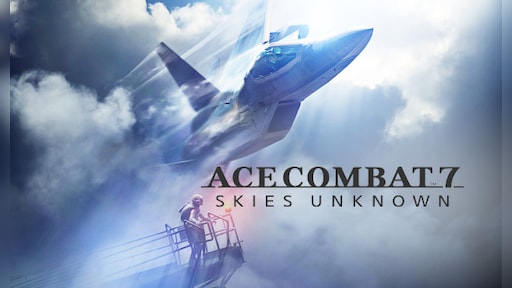
ACE COMBAT 7: SKIES UNKNOWN
Release Date: February 1, 2019
Genres: Shooter
It is easy to pick up, fast, flashy, and forgiving enough that you can jump in, shoot down ridiculous numbers of planes, blow up tanks, dodge missiles, survive insane set pieces, and go home without reading a small library of manuals first.
And yes, for anyone younger: huge user manuals were absolutely a thing back in the day.
Table of Contents
- The Perfect Game for People Who Like Jets But Do Not Want Homework
- Strangereal Is a Great Excuse for Beautiful Nonsense
- The Story Is Doing a Lot, Maybe Too Much
- You Are the Squadron, Basically
- The Combat Is Exciting Until the Game Says “Missed” Again
- The Missions Are Strong, Even When They Try Too Hard
- Progression Is Good, but Plan Before You Spend
- The Aircraft Roster Is One of the Main Attractions
- Attack Aircraft Deserve Better
- Multiplayer Exists
- The HAWX Problem
- So, Is Ace Combat 7 Worth Playing?

It is not a simulator. It is not even trying to be one. Planes behave like action movie heroes with afterburners. Missiles are fired in huge quantities. Superweapons exist. Drones do drone things. Massive air battles unfold over dramatic landscapes.
At its best, Ace Combat 7 feels like a childhood jetfighter fantasy finally made playable.
The Perfect Game for People Who Like Jets But Do Not Want Homework
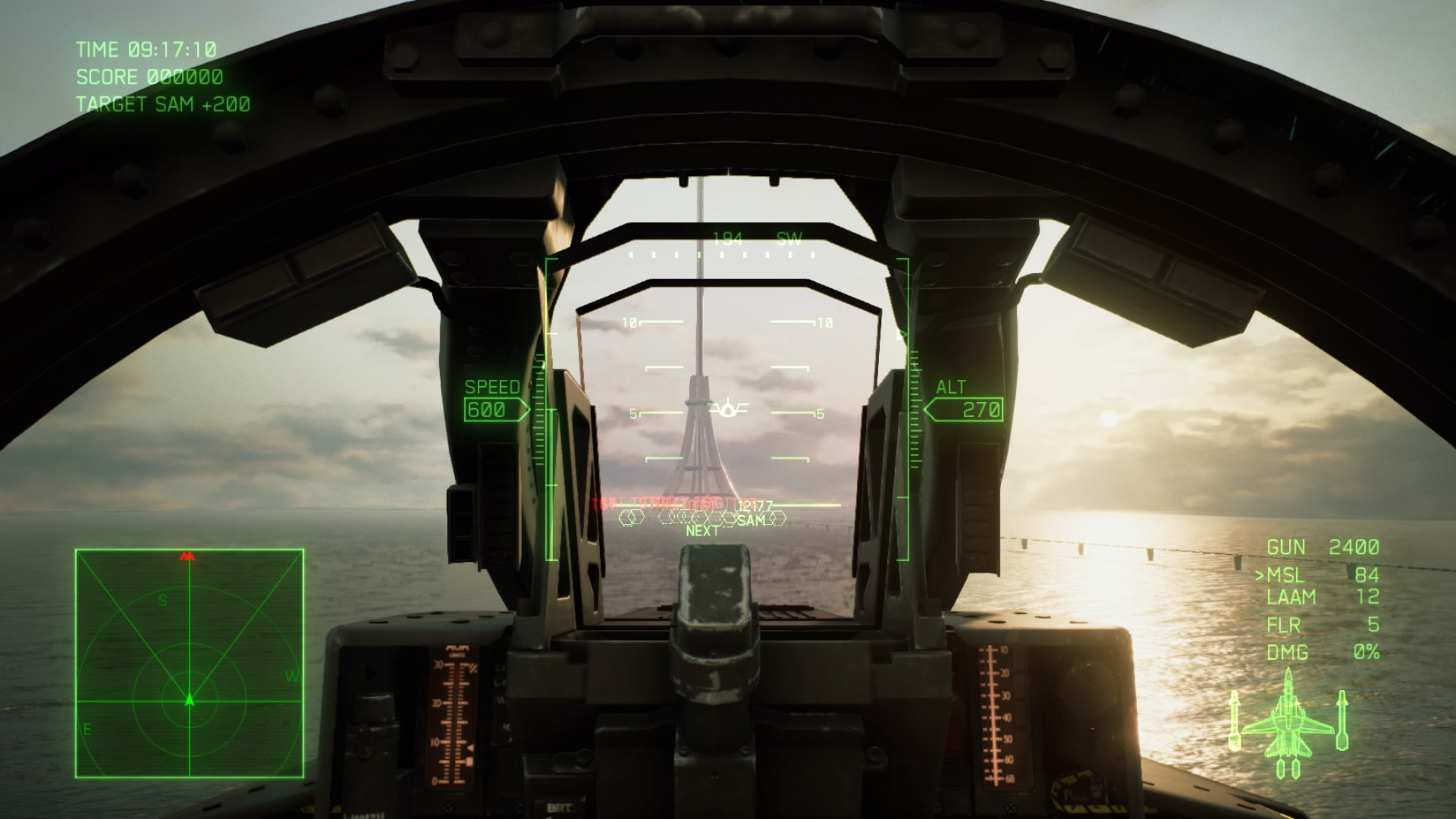
The biggest strength of Ace Combat 7 is how accessible it is. You do not need to spend hours learning aircraft systems. You do not need to memorize procedures. You do not need to understand radar modes, weapon employment, fuel management, or any of the stuff that makes more serious flight games rewarding but also intimidating.
You pick a plane, choose your special weapon, take off, and start blasting.
I used to play a lot of flight simulators and sim-lites, so I am not allergic to complexity. I actually like jetfighter games that expect something from the player. But there is also a time and place for just jumping into a mission and blasting absurd amounts of enemy hardware out of the sky without first consulting a manual thick enough to qualify as furniture.
Ace Combat 7 hits that spot nicely. It is easier and more forgiving than sim-lites, but it still asks you to pay attention. You need positioning. You need timing. You need to understand when a missile has a real chance of hitting and when you are just donating ammunition to the clouds.
Most importantly, it made me appreciate the arcade combat flight genre in a way I had not before. After Ace Combat 7, games like Tom Clancy’s HAWX and Project Wingman clicked much more naturally for me. Before that, I usually went to sim-lites whenever I wanted jetfighter action. Ace Combat 7 reminded me that there is plenty of fun in the ridiculous version of air combat too.
Strangereal Is a Great Excuse for Beautiful Nonsense
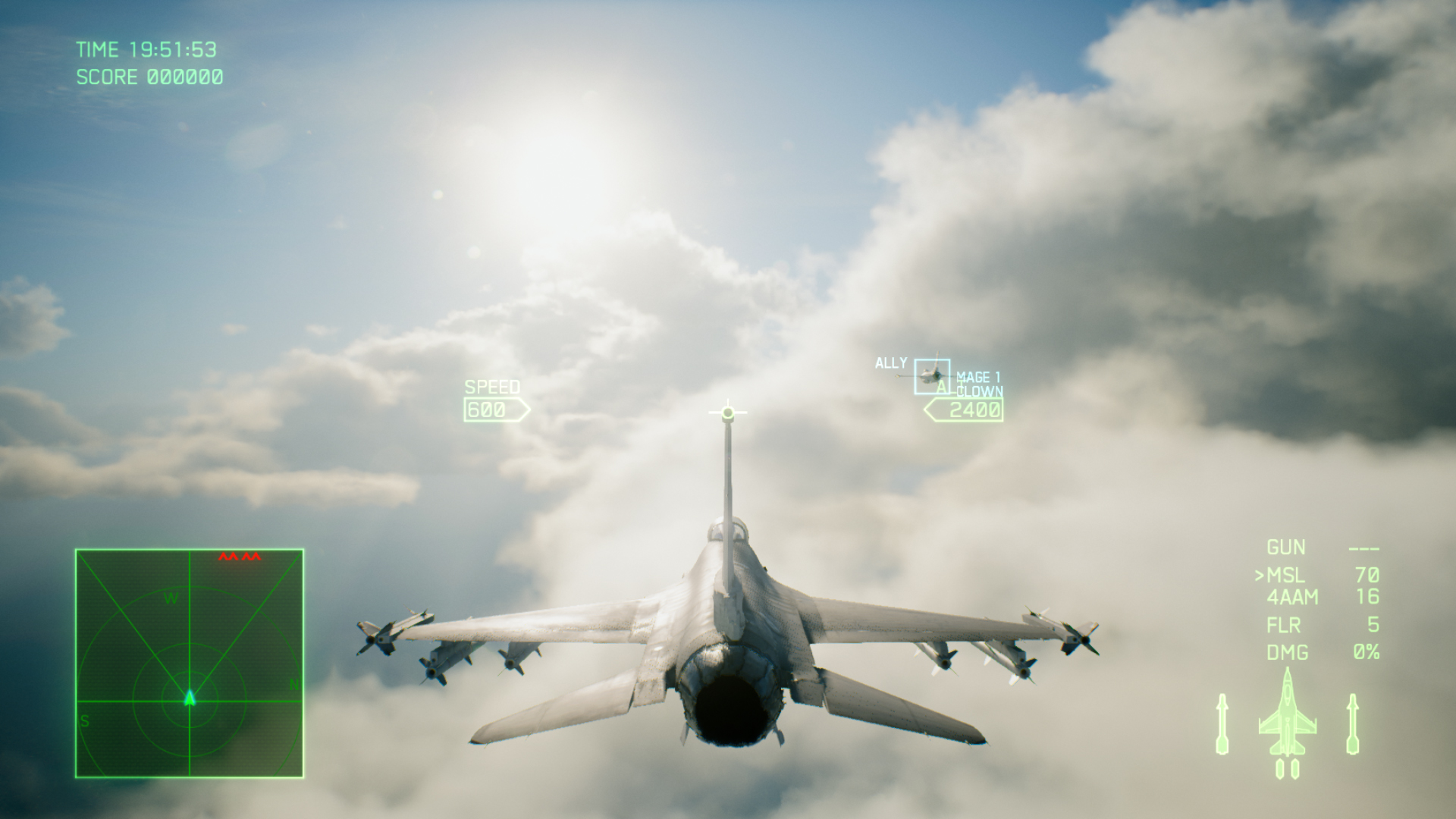
One of the best things about Ace Combat as a series is its setting.
The game takes place in Strangereal, which is basically Earth, but not quite. The geography is different, the countries are fictional, and the politics are made up, but the world still feels close enough to ours that all the real aircraft fit naturally into it.
This is a clever setup because it lets the game do whatever it wants.
American jets, Russian jets, European jets, old aircraft, modern aircraft, experimental aircraft — they can all show up together without the game needing to explain real-world alliances or historical accuracy. You can see F/A-18s, MiG-29s, Eurofighter Typhoons, F-22s, Su-57s, and fictional superfighters all sharing the same skies, and you just accept it because Strangereal runs on the rule of cool.
Then the game adds sci-fi military nonsense on top of that. Railguns. Laser cannons. AI drones. Giant airships. Massive superweapons. Weird experimental aircraft. The whole thing feels like someone looked at modern air combat and said, “Okay, but what if it was also a boss fight?”
I like that. It gives Ace Combat 7 a distinct flavor.
At the same time, I still prefer the more grounded tone of HAWX. That game used a near-future (now the past, though) real-world setting with private military companies becoming major global players. It was still not realistic, obviously, but it felt more restrained. More serious. More no-nonsense.
Ace Combat 7 is not that kind of game. It wants myth, melodrama, sky poetry, and impossible heroics. I respect that. I just do not always enjoy listening to it.
AND NO, THE COLOR OF THE SKY DOES NOT MEAN ANYTHING TO ME, FOR CRYING OUT LOUD
The Story Is Doing a Lot, Maybe Too Much

I know Ace Combat fans often have a soft spot for the series’ storytelling. I get it. The world is unique, the tone is distinctive, and the games have their own dramatic identity.
But personally? The story in Ace Combat 7 did very little for me.
Actually, that is too polite. I think a lot of it is bad.
The writing is very anime-like in that specific way where everyone talks as if they are constantly aware they are part of something incredibly meaningful. Pilots make dramatic comments in the middle of combat. Characters throw out emotional lines over the radio. People talk and talk and talk while I am just trying to shoot down a plane that has apparently mastered forbidden missile-dodging techniques.
Sometimes, the chatter adds atmosphere. I will give it that. It makes the missions feel bigger and gives the world some texture.
But a lot of the time, I found it cringy. The dialogue can be rough, the drama often feels forced, and the constant talking becomes hard to ignore. I joked to myself that the ideal way to play would be to turn off subtitles and set dialogue volume to zero, but then I would miss mission cues and objective updates. So, no escape there.
To be fair, the story does not ruin the game. You can ignore most of it and still have a great time. Some characters are memorable, and the over-the-top writing is clearly part of the series’ personality.
Still, if I had to choose, I would take HAWX’s serious military-thriller tone over Ace Combat’s sky-drama any day.
You Are the Squadron, Basically
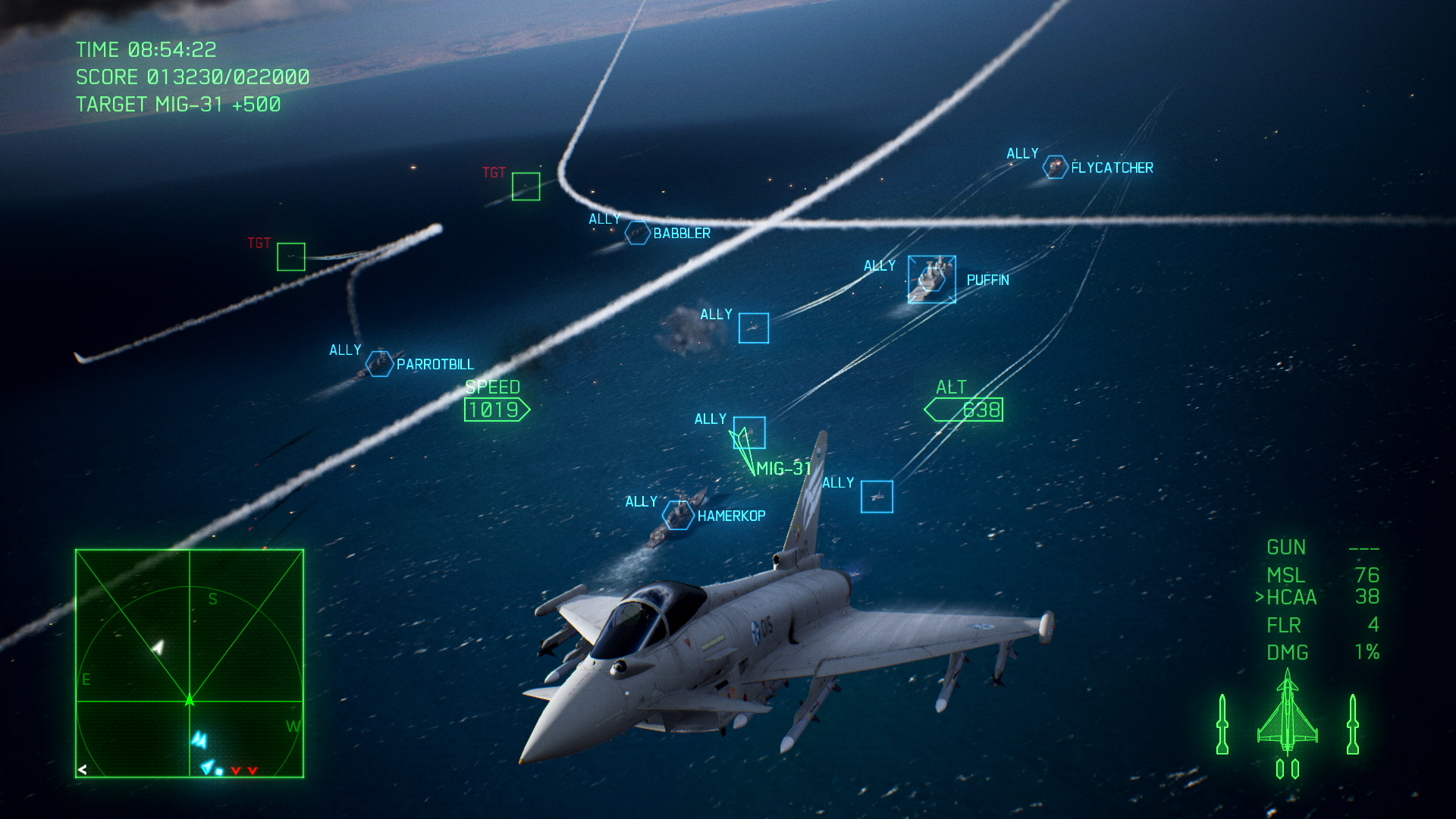
Ace Combat 7 constantly surrounds you with allies, but they’re never useful.
Your wingmen talk, react, complain, panic, praise you, and help sell the scale of the battle. What they do not do, at least not in a way that feels meaningful, is change the flow of combat.
Mechanically, I understand why. The campaign is often built around score thresholds, time limits, and target destruction. If your allies were actually clearing the battlefield efficiently, they would either steal your points or force the mission design to compensate in some awkward way.
So the game solves that by making you the main source of progress.
Fair enough.
But it still feels disappointing.
A squadron-based jetfighter game should make your squadron feel like more than dramatic background noise. I do not need a full tactical simulation, but even simple commands would have helped. Attack my target. Cover me. Focus on ground units. Engage fighters. Anything to make them feel less like flying commentators.
This is one area where HAWX did things better for me. Your wingmen could actually help, and issuing basic commands made the battles feel more cooperative. You still got to be the hero, but you were not the only person in the sky with functioning weapons.
Ace Combat 7 is more interested in making you feel like a legendary ace.
And it succeeds.
But sometimes it succeeds so hard that everyone else feels like they forgot to load live ammo.
The Combat Is Exciting Until the Game Says “Missed” Again
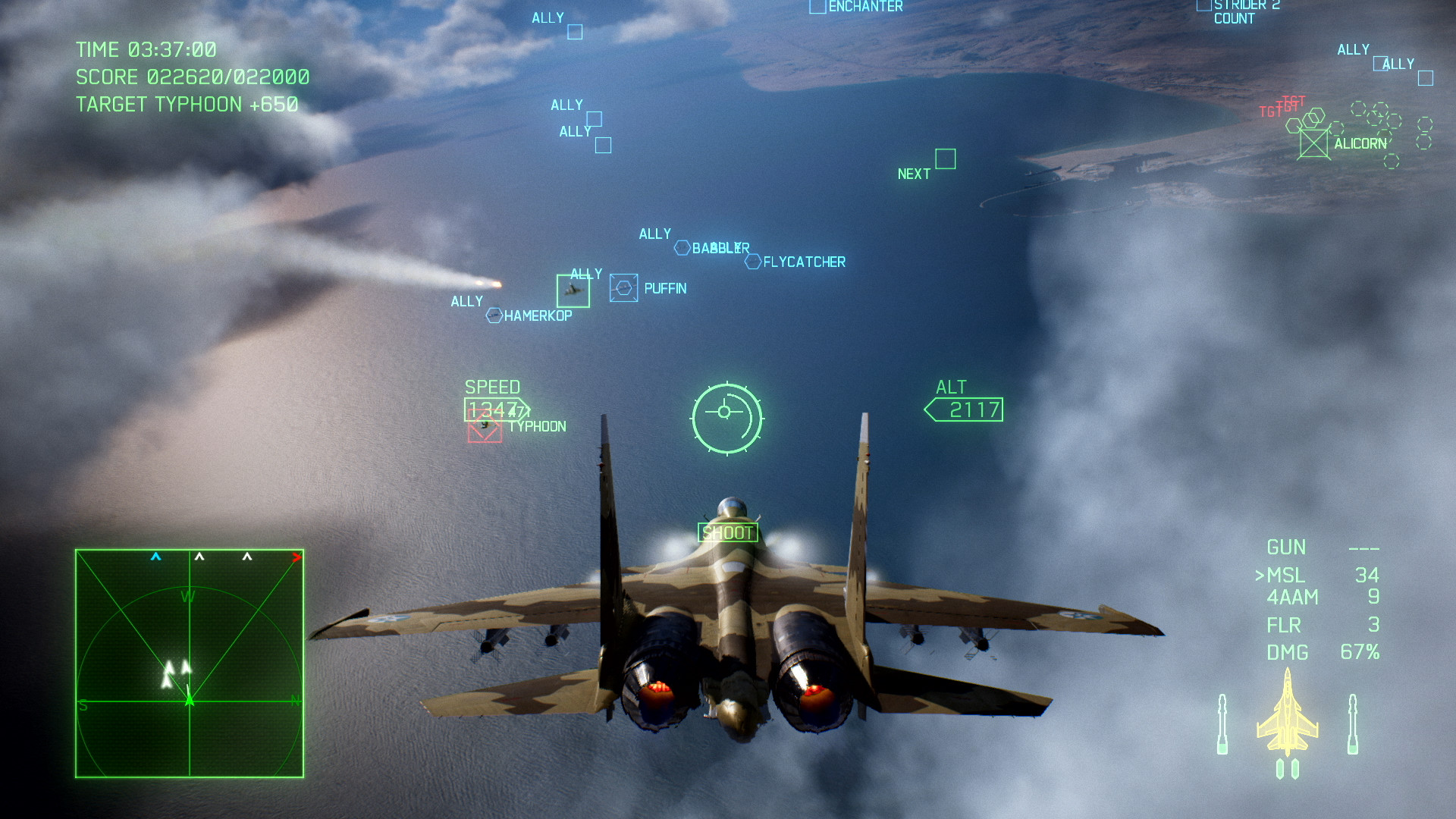
This is where I have the most mixed feelings.
Ace Combat 7 looks spectacular in motion. Dogfights happen at high speed, clouds hide enemies, missiles streak past your canopy, explosions fill the sky, and the whole thing feels wonderfully excessive. At its best, combat is fast, cinematic, and satisfying.
But the actual hit-and-kill rhythm can be frustrating.
Ground targets are one example. Tanks often need two missile hits to destroy, which feels a bit much for a game this arcade-y. I am not asking for realism here. Quite the opposite. If the game lets me carry dozens of missiles and fight half an air force by myself, I think one tank can politely explode after taking a direct hit.
Air combat has a different problem. Enemy planes are very good at not dying.
I understand that this is not a realistic flight model. Planes in Ace Combat recover from stalls like nothing happened. They turn in ways that would probably turn a real pilot into soup. Physics is more of a loose suggestion. That is all part of the fun.
But sometimes, you line up a missile shot that feels perfectly reasonable, fire, and then the enemy pulls some absurd move and the game flashes that lovely “MISSED” message again.
Sure, sometimes it is your fault. Maybe you fired too early. Maybe your angle was bad. Maybe you got greedy. The game does reward proper setup.
But sometimes it feels like you did your part and the enemy simply decided to become the main character for three seconds. That is where the combat loses me a little. There is a difference between making players earn their kills and making missile behavior feel inconsistent.
This is another area where I prefer HAWX. In HAWX, if you had a good shot and fired a missile, the target usually died. Simple. Clean. Fun. Ace Combat 7 sometimes makes even basic kills feel oddly fussy.
There’s even a DLC mission where friendly Electronic Support Measure (ESM) planes arrive and create a small zone that makes your missiles much more effective while you are inside it. It is a fun idea, but it also made me think, “Wait, can my missiles just work like this all the time?”
And then there are UAVs.
They are very committed to being annoying.
The Missions Are Strong, Even When They Try Too Hard
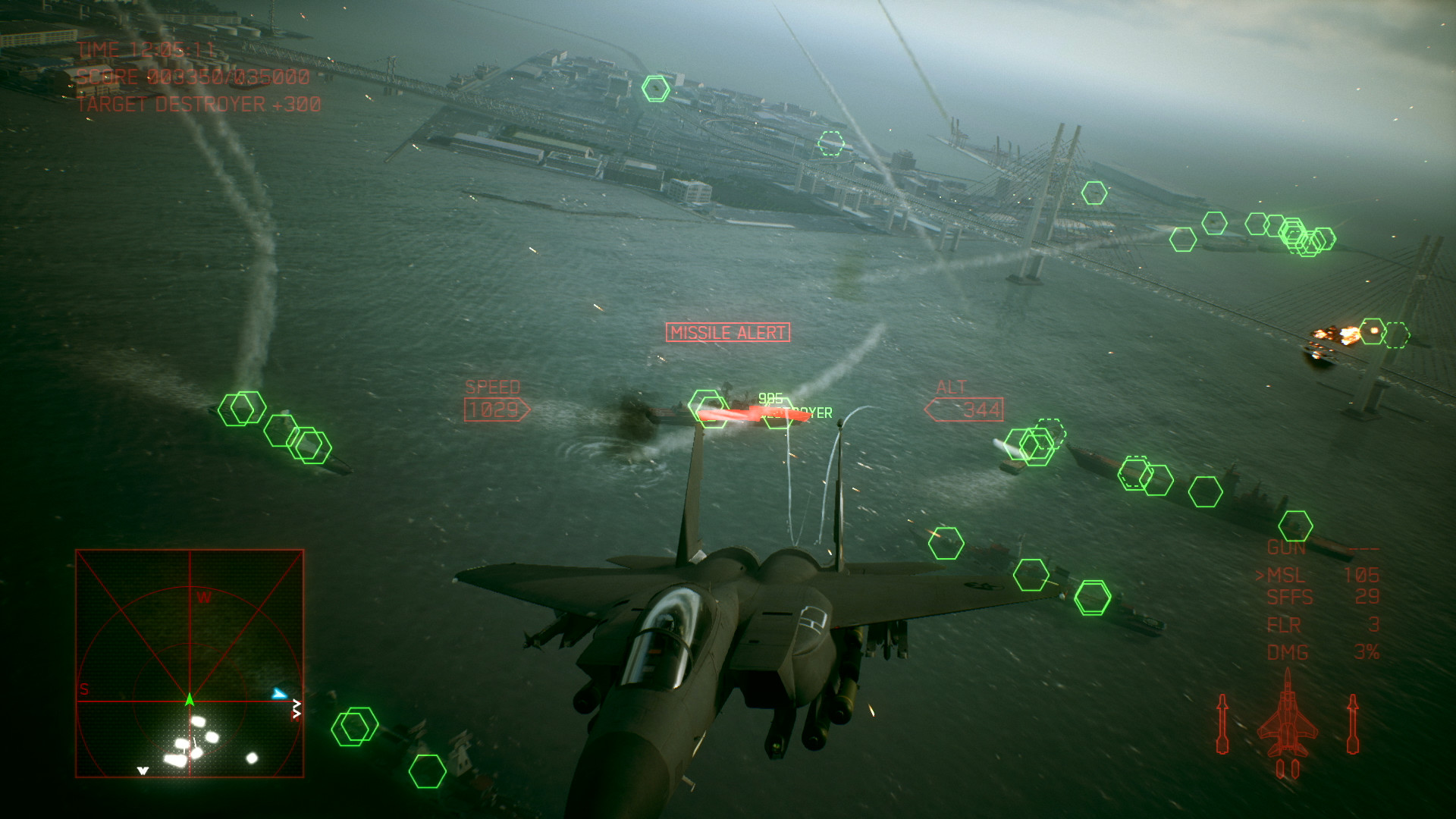
Ace Combat 7 has a good campaign, and a big reason is mission variety.
You get air superiority missions. Ground attack missions. Defense missions. Score-attack battles. Missions with storms. Missions with changing objectives. Missions where valuable targets appear only for short windows of time. Missions with giant superweapons. Missions where the game clearly looked at Star Wars and said, “Yes, we are doing the trench thing.”
This variety keeps the campaign from becoming stale. There is almost always some new twist, hazard, or objective change to keep you alert.
But strangely, I sometimes wished the game would relax and give me more straightforward missions.
Older flight games often had simple scenarios that worked because the fundamentals were strong. Intercept bombers. Support ground troops. Destroy enemy installations. Protect friendly units. Get in, do the job, get out. Ace Combat 7 has missions like that, but it often layers them with gimmicks, twists, or dramatic set pieces.
That is not necessarily bad. It makes the campaign memorable. But I do think there were missed opportunities for cleaner, more focused mission design.
The old F-22 Air Dominance Fighter had missions I remember more fondly in some ways. HAWX also had excellent mission flow, especially the level where you support friendly ground forces and help them break through enemy defenses. That mission is exactly the kind of arcade air combat design I love: clear, intense, grounded enough to understand, and satisfying from start to finish.
Ace Combat 7 is absolutely fun. But there are moments where it feels like it is trying so hard to be spectacular that it forgets how enjoyable a simple, well-built combat scenario can be.
Progression Is Good, but Plan Before You Spend
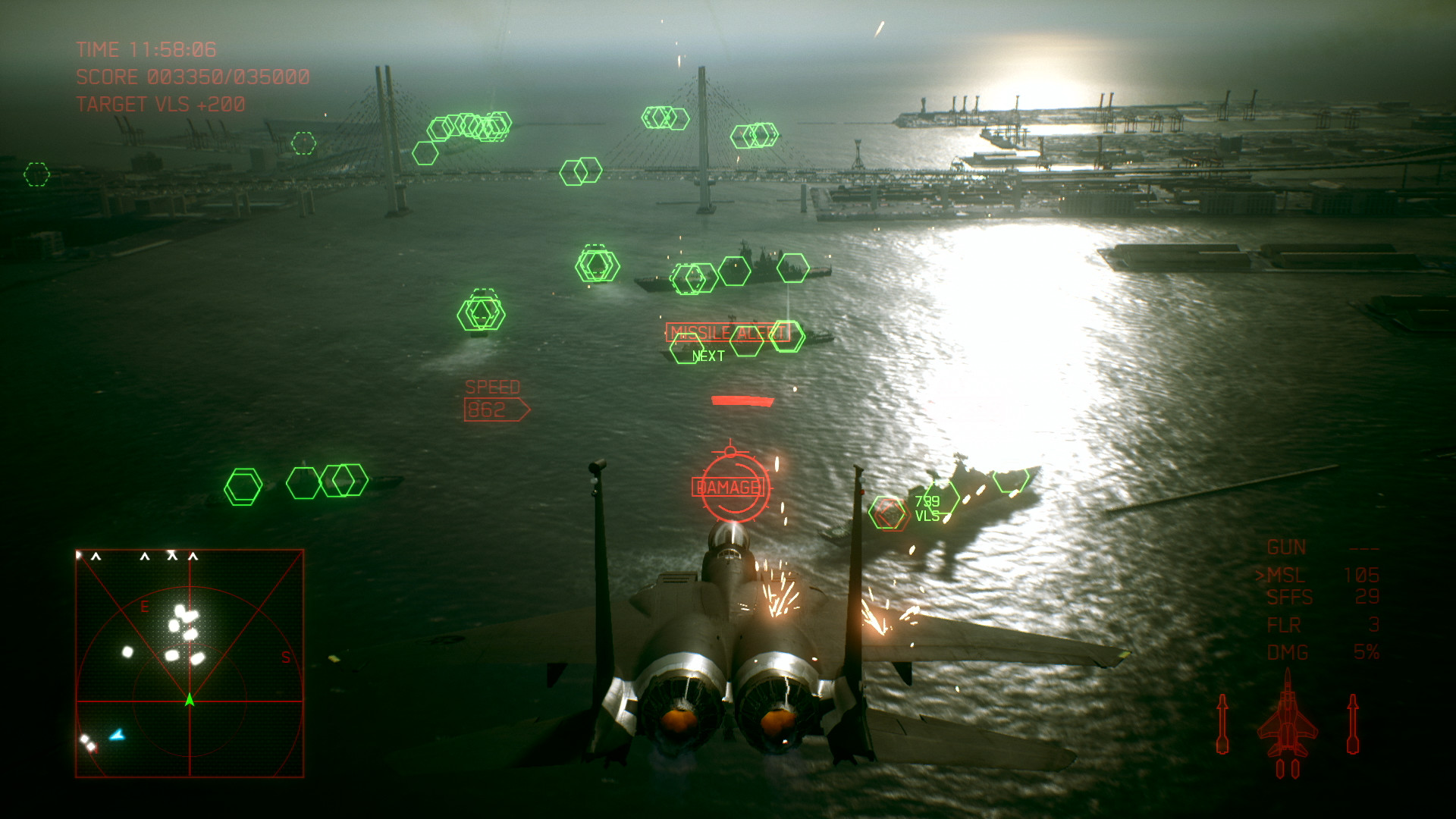
Ace Combat 7 uses MRPs (Military Result Points) as its progression currency. You earn them from campaign missions, kills, multiplayer participation, and general play. Then you spend them on aircraft and upgrades in a tech tree.
It is not a complicated system, but it works. Unlocking new planes feels good. Installing parts gives you small but noticeable improvements. Choosing liveries is simple, but fun. There is enough customization to make your favorite aircraft feel like your own without turning the game into a spreadsheet.
The one thing I would recommend is checking out the aircraft tree before spending too freely.
You are not going to unlock everything in one campaign playthrough. If there is a specific jet you want, look at the path and make smart choices. Otherwise, you may burn MRPs on aircraft or parts that do not help you reach your goal.
The game does give you some huge payouts during the campaign, but unlocking everything means replaying missions or grinding multiplayer. Personally, I do not find that especially appealing. I like Ace Combat 7, but I do not need to turn it into a second job.
85% OFF 83% OFF 63% OFF 11% OFF 0% OFF
The Aircraft Roster Is One of the Main Attractions
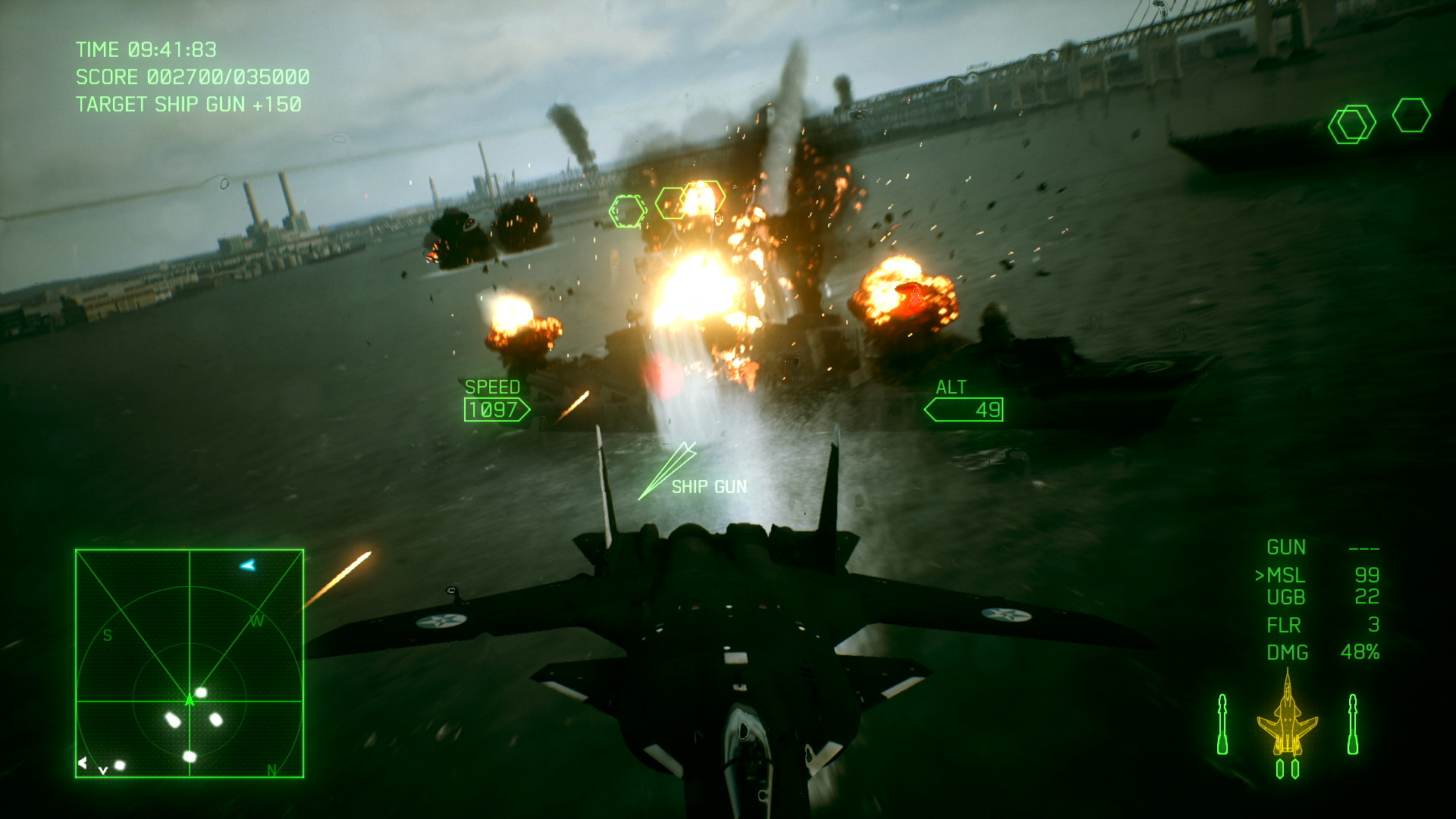
The plane selection is excellent.
Ace Combat 7 gives you a strong mix of American, European, and Russian aircraft, from older jets to fourth-generation classics and fifth-generation machines like the F-22, F-35, and Su-57. Then it adds fictional futuristic aircraft for extra flavor.
If you like military aviation, just browsing the aircraft tree is enjoyable.
The licensed planes make a big difference. There is something satisfying about flying recognizable jets, even in a game where they behave like superheroes. The cockpit views also deserve praise. They are detailed enough to add immersion, especially if you are into aircraft, and they make the experience feel a bit more personal.
No, this is not a sim cockpit experience. But it does not need to be. It gives you just enough detail to make the fantasy stronger.
Attack Aircraft Deserve Better
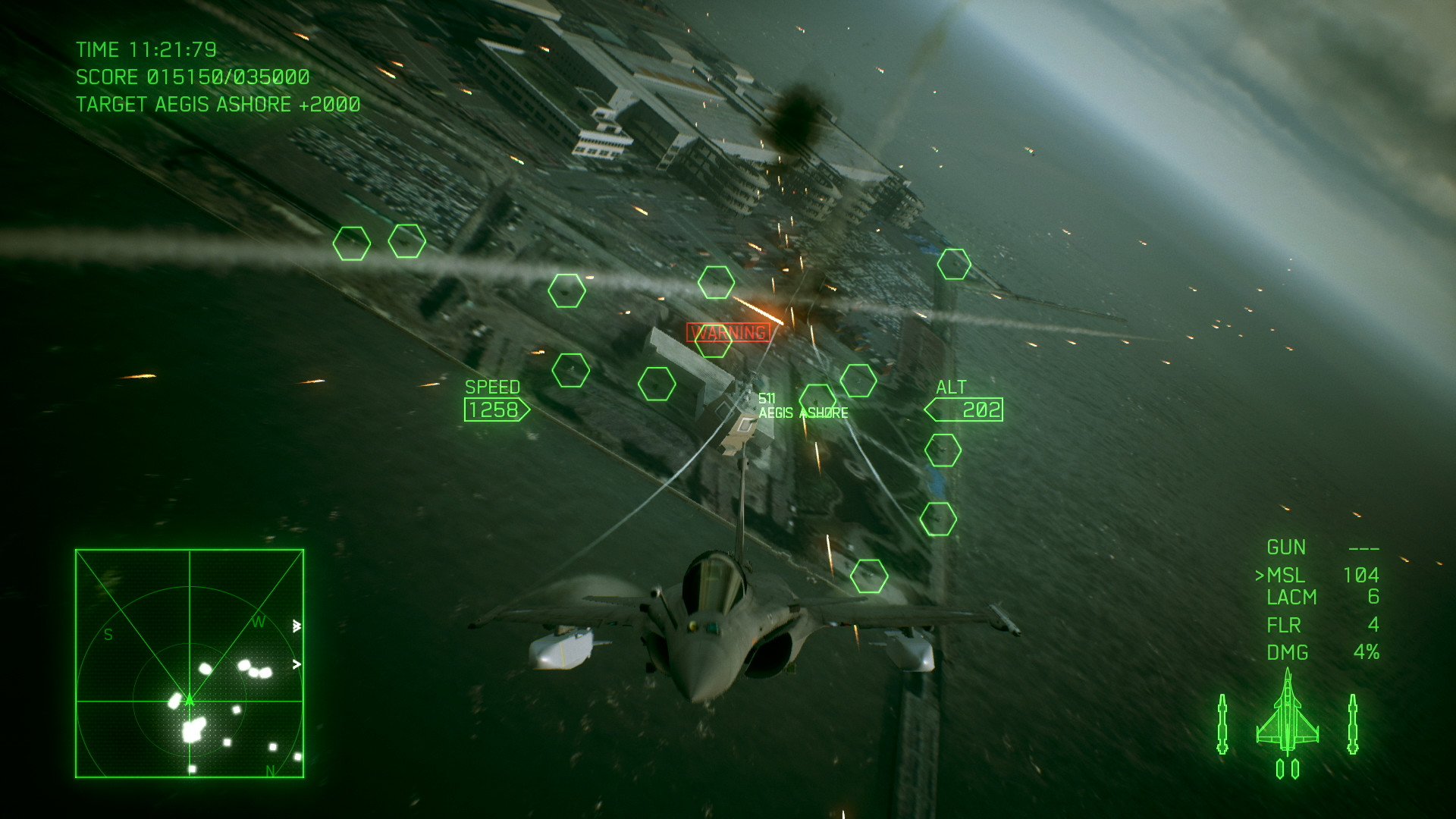
For all the variety in the aircraft roster, Ace Combat 7 does not give every type of plane equal value.
Ground attack aircraft are the obvious losers.
There are maybe two missions where they sort of make sense, but for most of the campaign, taking a specialized attack aircraft feels risky. The mission briefing might make you think you are heading into a ground-focused operation, only for the objective to change mid-mission and suddenly demand serious anti-air capability.
Because of that, multirole fighters are usually the safest and most practical choice. Something like an F-15, F/A-18, F-22, or F-35 gives you enough flexibility to handle whatever nonsense the mission throws at you. And since standard missiles can destroy ground targets anyway, you rarely feel forced into a dedicated air-to-ground role.
That is disappointing. The game has the aircraft, the weapons, and the mission variety to make attack planes shine. It just does not commit to giving them enough room.
Multiplayer Exists
That is probably the nicest way I can put it.
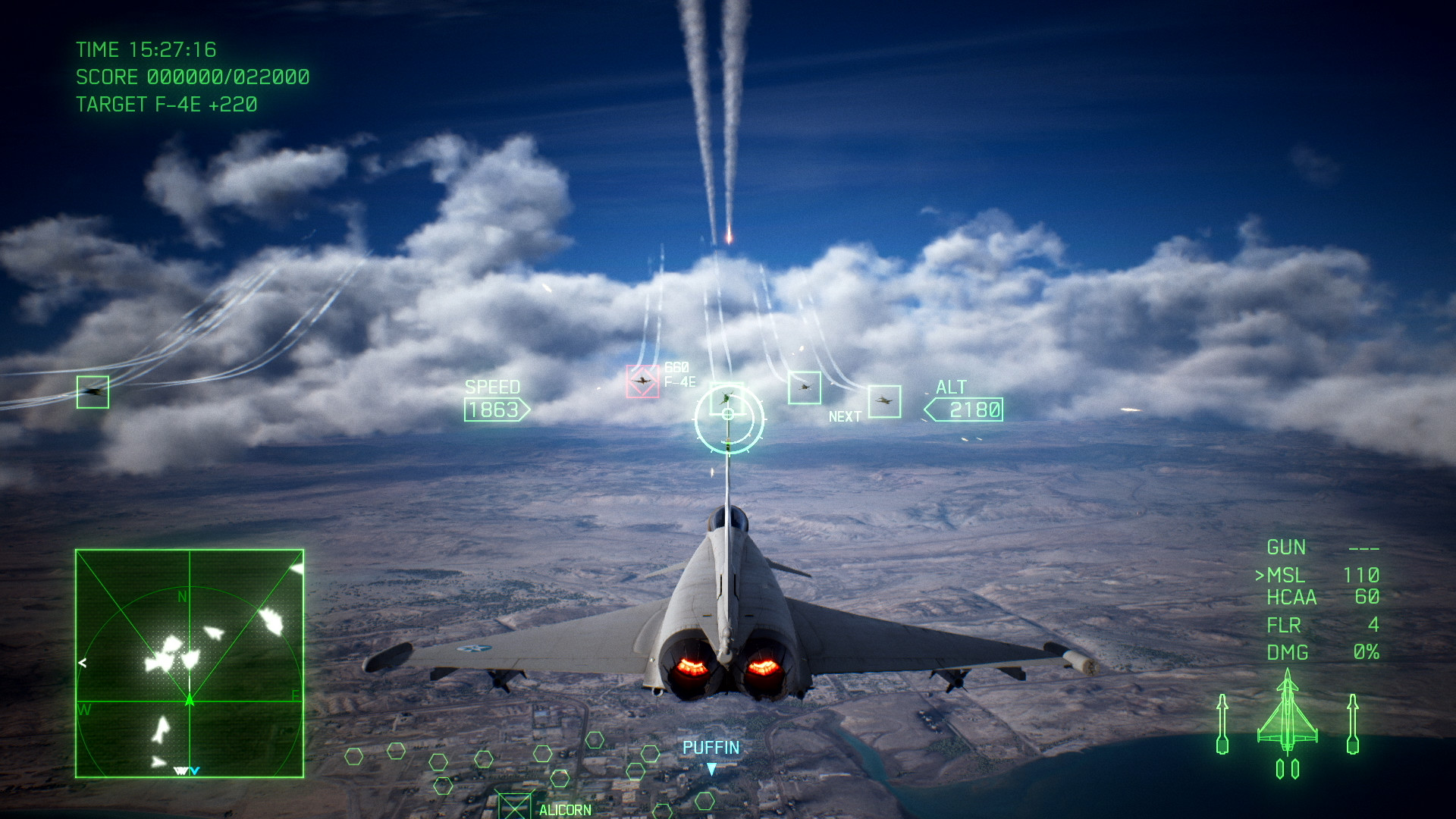
Ace Combat 7 has multiplayer, but it feels like an afterthought. You get team deathmatch and free-for-all, called Battle Royale here. Free-for-all seems to be the more active mode, and it mostly consists of everyone flying around like angry wasps, dodging missiles, failing to land hits, and occasionally getting lucky.
It can be fun in small doses. I even managed to win some matches.
But it never felt like a major reason to play the game. It does not have the depth, structure, or mode variety to become truly compelling. Mostly, I used it for MRP grinding, including the extremely noble tactic of launching a match and going AFK for participation rewards.
Progress demands sacrifice.
If you want a better multiplayer-focused air combat game, you are probably better off elsewhere. War Thunder has more depth, but it is also so grind-heavy that getting to modern aircraft can feel like planning your retirement. Metalstorm feels much closer to the idea of “Ace Combat Online done right,” but it also gets grindy at one point.
Ace Combat 7 is a single-player game with a so-so multiplayer component kind of tacked on. Not much more than that.
The HAWX Problem
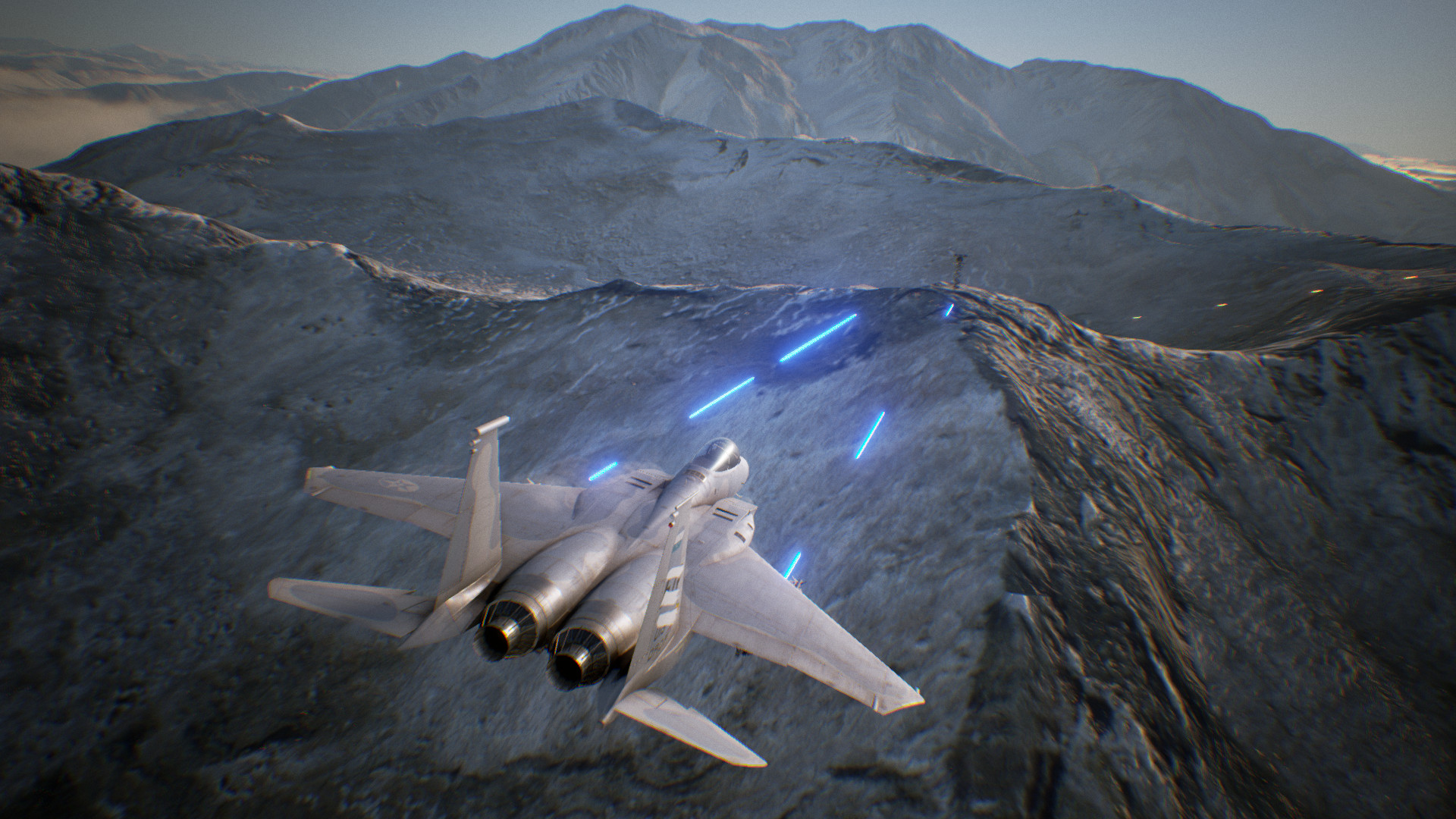
My biggest problem with Ace Combat 7 is not even entirely its fault.
It is that I like HAWX more.
HAWX has better wingmen, cleaner missile combat, a tone I prefer, and missions that often feel more satisfying to play. It is more grounded, more direct, and less interested in dramatic monologues about war, borders, skies, drones, or whatever else everyone is emotionally processing over the radio.
For me, HAWX is still the best arcade jetfighter game.
But there is a major catch: you cannot really buy it anymore. I got my copy over a decade ago. New players are not so lucky.
Ace Combat 7, meanwhile, is available (at least until licensing issues eventually come knocking), frequently discounted, polished, accessible, and packed with content. So even if I personally prefer HAWX, Ace Combat 7 is the easiest game to recommend today.
Then there is Project Wingman, which is also good. It is probably the closest modern alternative to Ace Combat, especially on PC. But I think it is weaker overall. The missions are less varied, with many turning into long “destroy everything” battles, and the lack of checkpoints can be painful. If you die late in a mission, you replay the whole thing.
Ace Combat 7’s checkpoints make a huge difference. They keep frustration under control and respect your time more.
Project Wingman is still worth playing if you want more of this kind of action, but it lacks the same polish, variety, and licensed aircraft appeal.
So, Is Ace Combat 7 Worth Playing?
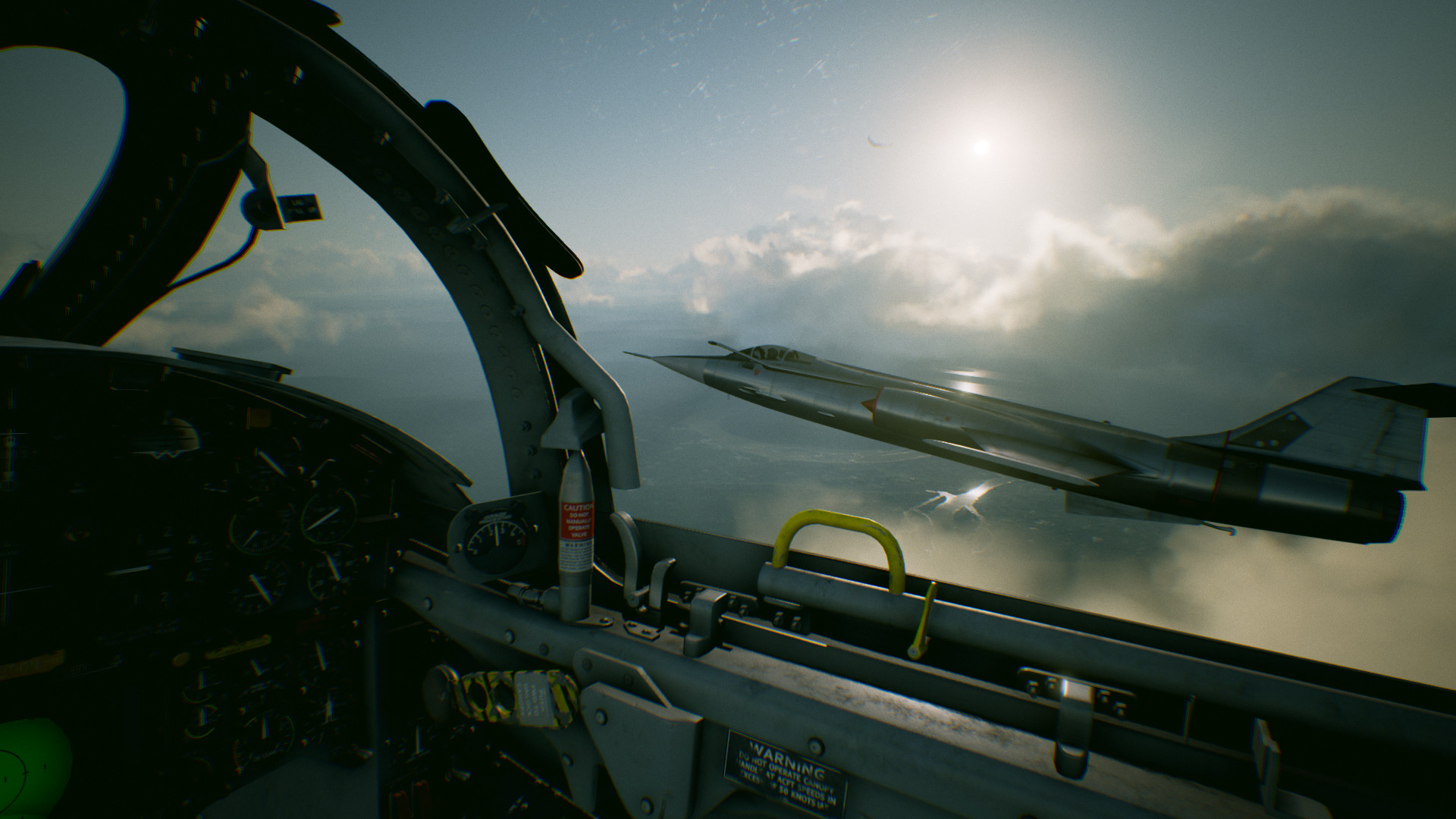
Here is the funny thing: after all these complaints, Ace Combat 7 is still easy to recommend.
It looks great. It sounds great*. It has excellent planes. It has varied missions. It is accessible without being insultingly simple. It delivers massive air battles in beautiful locations. It gives you the fantasy of being an absurdly talented fighter pilot in a world where every war apparently ends with one guy doing 99.9% of the work.
That is powerful stuff.
The game also has problems. The story is not my thing. The dialogue can be painful. Wingmen feel decorative. Missile combat can be fussy. Multiplayer feels undercooked. And yes, I still prefer HAWX.
But Ace Combat 7 knows what it wants to be.
It wants to be a dramatic, stylish, arcade air combat power fantasy. It wants to make the sky feel dangerous, beautiful, and slightly ridiculous. It wants you to fly through storms, fight impossible machines, and come out the other side as the pilot everyone talks about in increasingly dramatic radio messages.
And it succeeds often enough that the flaws do not sink it.
Summary:
Not perfect. Not my favorite arcade jetfighter game ever. But still the best modern starting point for anyone who wants this kind of experience. It is fun, polished, dramatic, occasionally irritating, often spectacular, and absolutely worth playing if you have ever looked at a fighter jet and thought, “Yes, I would like to do impossible nonsense in that.”
Grab it while it is still available, especially on sale.
- Fantastic arcade jetfighter power fantasy (and easy to pick up)
- Excellent selection of licensed aircraft, from classic jets to modern fifth-generation fighters
- Varied, cinematic missions with changing objectives, huge battles, storms, superweapons, and plenty of spectacle
- Looks great, feels epic, and remains one of the best modern entry points into arcade air combat
- Missile combat can feel fussy, especially when enemies dodge shots that look like they should hit
- Wingmen feel mostly useless, which makes the squadron fantasy weaker than it should be
- Multiplayer feels thin and more like an afterthought than a fully developed mode
- Ground attack aircraft are underused, since multirole fighters are usually the safest choice
- The story and dialogue can get way too melodramatic and cringy