


Depending on who you ask, 2001’s Gothic, created by German studio Piranha Bytes (now sadly closed) is either a generational classic or an unplayable mess.
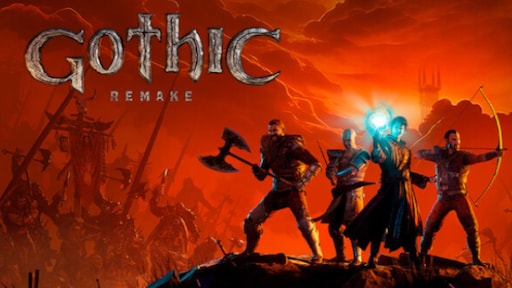
Gothic 1 Remake
Release Date: June 05, 2026
Genres: Role-playing (RPG), Adventure
I’d love to be able to say it’s a matter of age, but no, I’ve seen some of my peers claim it’s the latter. Why I hang out around people with no taste, I have no idea.
I am only slightly joking. Gothic is one of THE foundational games for the culture of Polish millennial gamers, and has influenced later behemoths like The Witcher franchise.
We would quote the dialogues, know the secret paths by heart, and share helpful bugs and glitches such as like the anti-gravity sidestep.
Gothic’s world was, especially for the era, dynamic and alive, reacting to the time of day, weather, small player actions. It was enchanting, and many of us were under its spell.
It was also incredibly janky even back in the day.
The clunky controls that nevertheless made some sense, floaty movement, and a certain wooden je ne sais quoi made it incredibly charming for some, and incredibly frustrating to others.
I mention all of that, because the Spanish studio Alkimia Interactive, given the cyclopean task of remaking this cultural artifact, managed to capture it in its entirety.
Oh, and full disclosure: you will see many instances of me just talking about how the Remake compares to the original. It’s not me being dismissive of Alkimia’s work.
In fact, I adore the tremendous effort they put into making sure that it really is a modern-tech remake, not an updated redesign like the Resident Evil remakes.
It IS Gothic. Wonder, wood, warts, and all.
Let’s get into it.
Where are you and why do you do things
Gothic (Remake) takes place in a relatively low-magic, quasi-Medieval setting which is leaning more towards pulp fantasy than dark fantasy, for the most part. It is fairly gritty and down-to-earth, however, which contributes to its immersiveness.
The story setup is simple, but effective: there is a war between humans and orks, and the former need magical ore to get an edge.
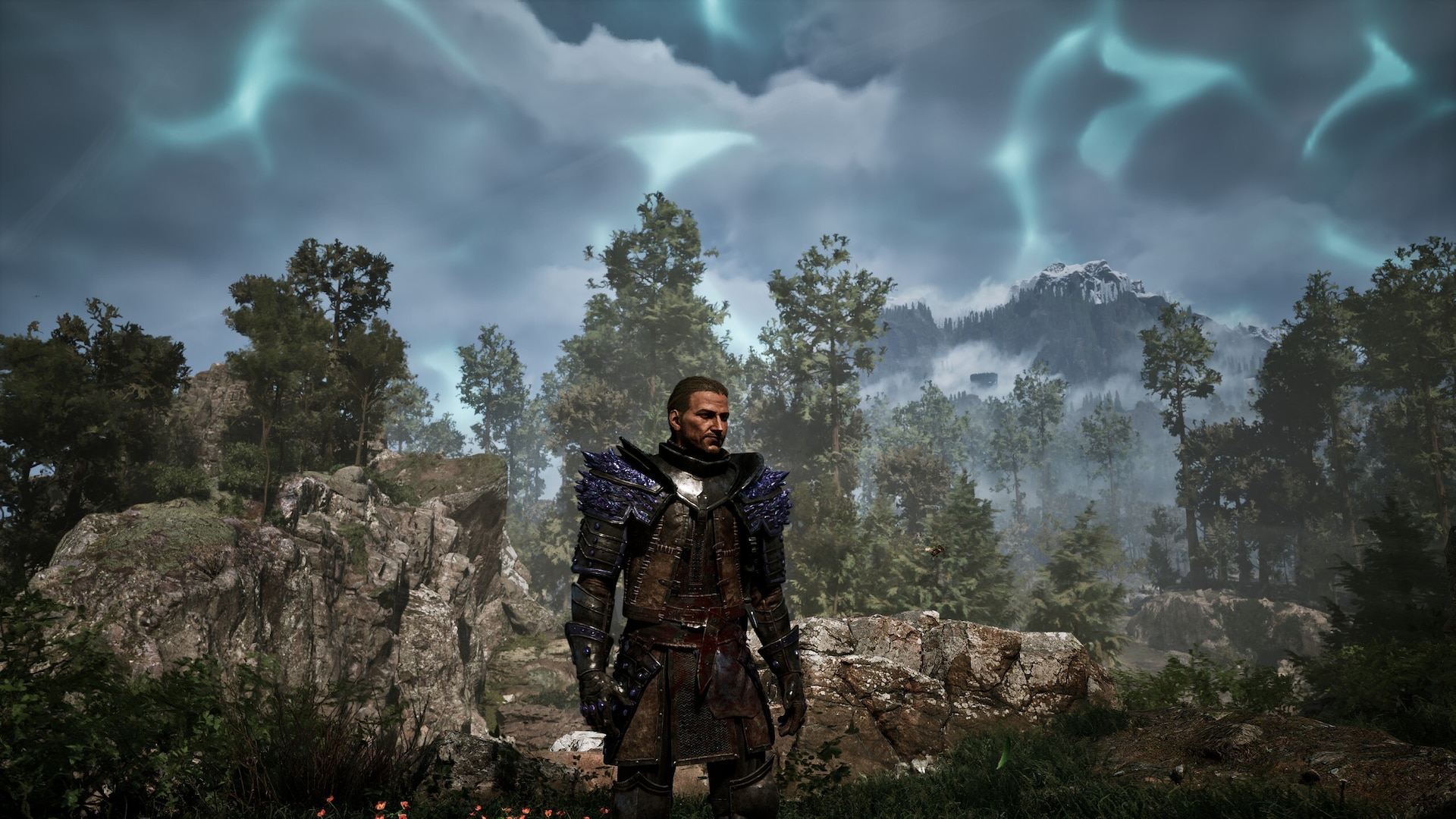
A mining colony on the island of Khorinis is turned into prisoner labour camp, but the protective anti-escape barrier spell somehow gets disrupted and the bubble covers the entire valley, rather than just a slice, which the inmates use to stage a revolt and take over. Years later, a new prisoner is being sent in, and fire mages happen to need a courier.
That’s you. You’re just a dude with an important letter and a promise of a reward.
Trying to deliver it forms the bulk of the game’s first chapter, because the mages are in the castle in the Old Camp, and the guards don’t allow any washed up loser to enter.
You’ve got your work cut out for you.
From zero to hero
Gothic (Remake) doesn’t play like most modern games at all.
Even in famously challenging things like Soulslikes you’re probably going to fight an unholy abomination within the first hour. Here you are lucky if you kill a wolf and survive within the first five, especially if you’re a complete newcomer to the franchise.
Where many games’ power fantasy comes from starting our strong and getting even stronger, in Gothic (Remake) it comes from the effort you need to put in to become powerful.
While the game does have EXP and levels, the only thing you get at level up is some HP and 10 learning points, because you don’t acquire any ability on your own. If you want to acquire any of the game’s many skills, then you need to find a teacher and hope you’re got the status and/or money needed to convince them to share their knowledge with you.
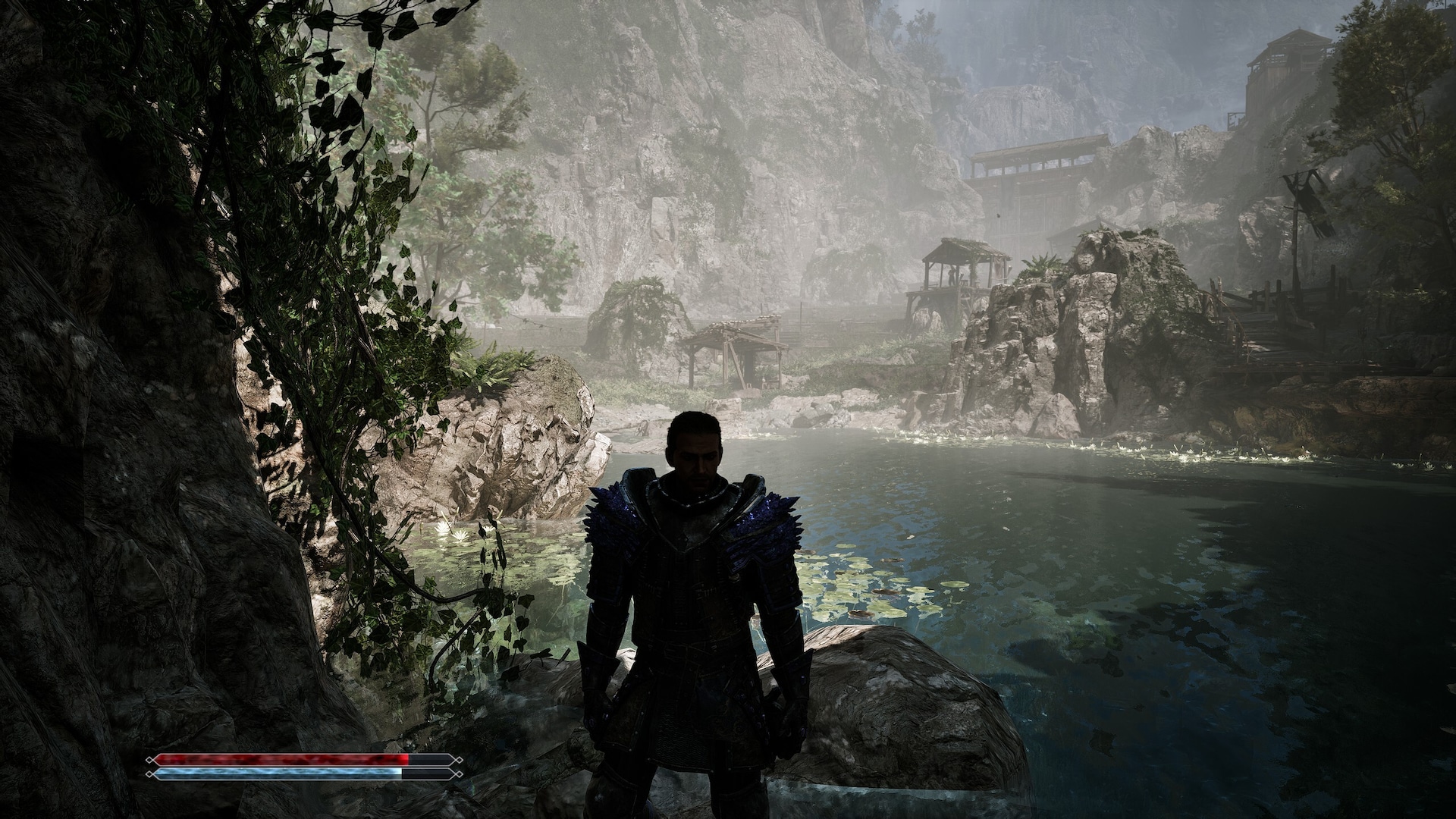
Some things will be cheap: raising your strength, dexterity, or mana costs only the Learning Points, but improving your weapons skills or figuring out how to skin a wolf will cost you a fair bit, on top of having the points in the first place.
Some are even free of charge, you just talk to somebody, get them some resources, or read a book, and you’re rewarded with a new ability. It’s a very cool improvement introduced by the Remake, making the skill gallery richer without affecting your point budget.
The game only has enough EXP for maybe 40 levels if you squeeze it for all it has, and higher-rank abilities will take multiple levels’ worth of LP. Magic is especially costly: mastering all six circles and maxing out your Mana can easily claim about half of your total potential points. As a result, you can’t do everything and, sadly, at the time of writing, some abilities are just bad investments.
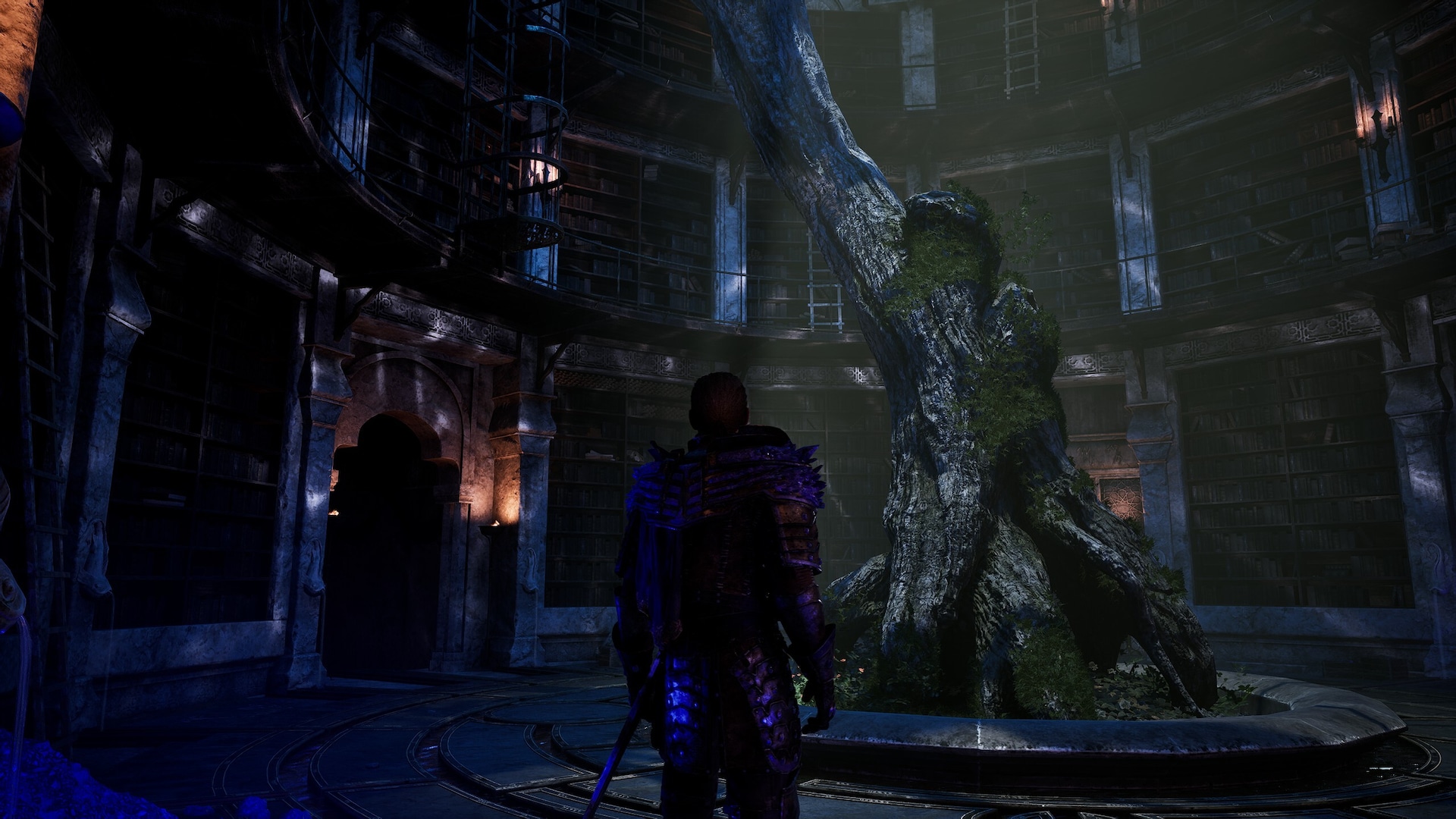
Regardless, while you start out as a weak scrub who can very easily die to an overgrown turkey or a swollen naked mole-rat, with time you become one of the most powerful people in the Colony. What amount of time? Well, in-fiction characters speak of a few weeks’s time, while my save shows about 50h of relatively leisurely playtime.
I love the teacher system. In the past I loved it because it was immersive and logical, now there’s another aspect to it, tied into the tone- world-building.
Not a lone-wolf world
The Nameless Hero is not the center of the universe, nor is the player.
The Colony has five communities in it, and they ARE communities, messed up as they occasionally are. There are rules to obey if you want to be on good terms and not have your teeth bashed in for being disruptive.
To the outside world, they might be criminals, but they need a functional society to exist here.
But at the same time, you won’t be killed by most humans enemies. You will be beaten unconscious, you will get some of your ore stolen, but you will live. This is the social contract of the colony. You’re all in this together. To kill another human you need to make a specific, conscious choice after they are already down, possibly robbed, and helpless. If you do so, well, the social contract is off. You broke the one rule.
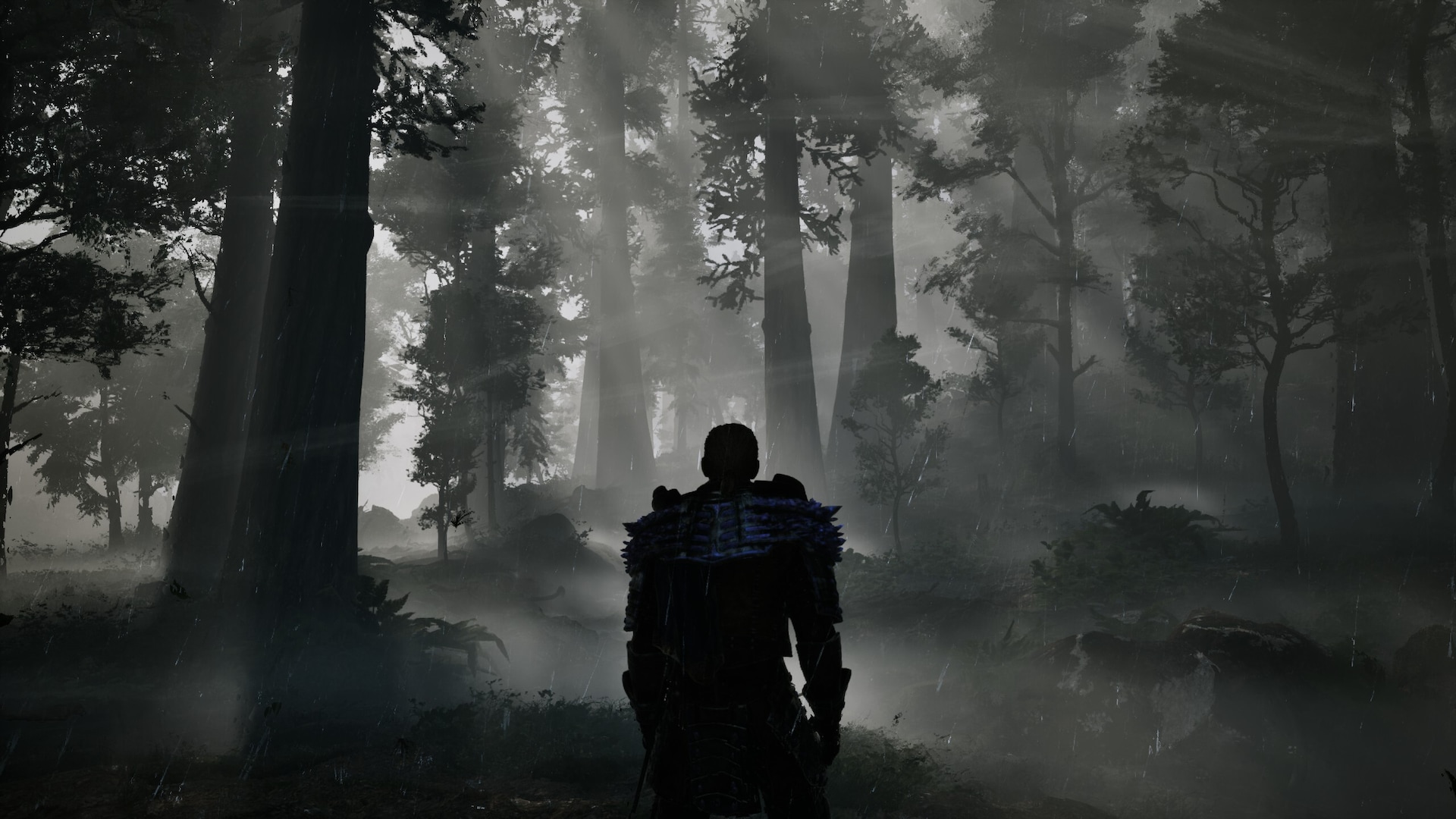
This creates a world of societies which feel alive and real, with consequences that go beyond just failing a quest or losing some resources. It’s reactive, dynamic, and immersive. The Nameless Hero is not special, isn’t to consequences. He simply finds a way to be motivated and useful to the goals of other people and stir the pot.
Even deep into the endgame Gothic refuses to fully be an individualistic power fantasy, keeping the Nameless Hero’s allies in focus.
It was a fascinating element of the original, and I am delighted the remake keeps it and even makes it better in some places.
Playing the game
I did my contractually guaranteed amount of waxing poetic, so here’s the important part: how’s the moment to moment experience?
Well… it’s Gothic. The original was outdated, and so is the Remake, in a way. It feels like ten years old mid-budget game made with modern tech, which is rather appropriate: the original also felt a few years behind with its controls.
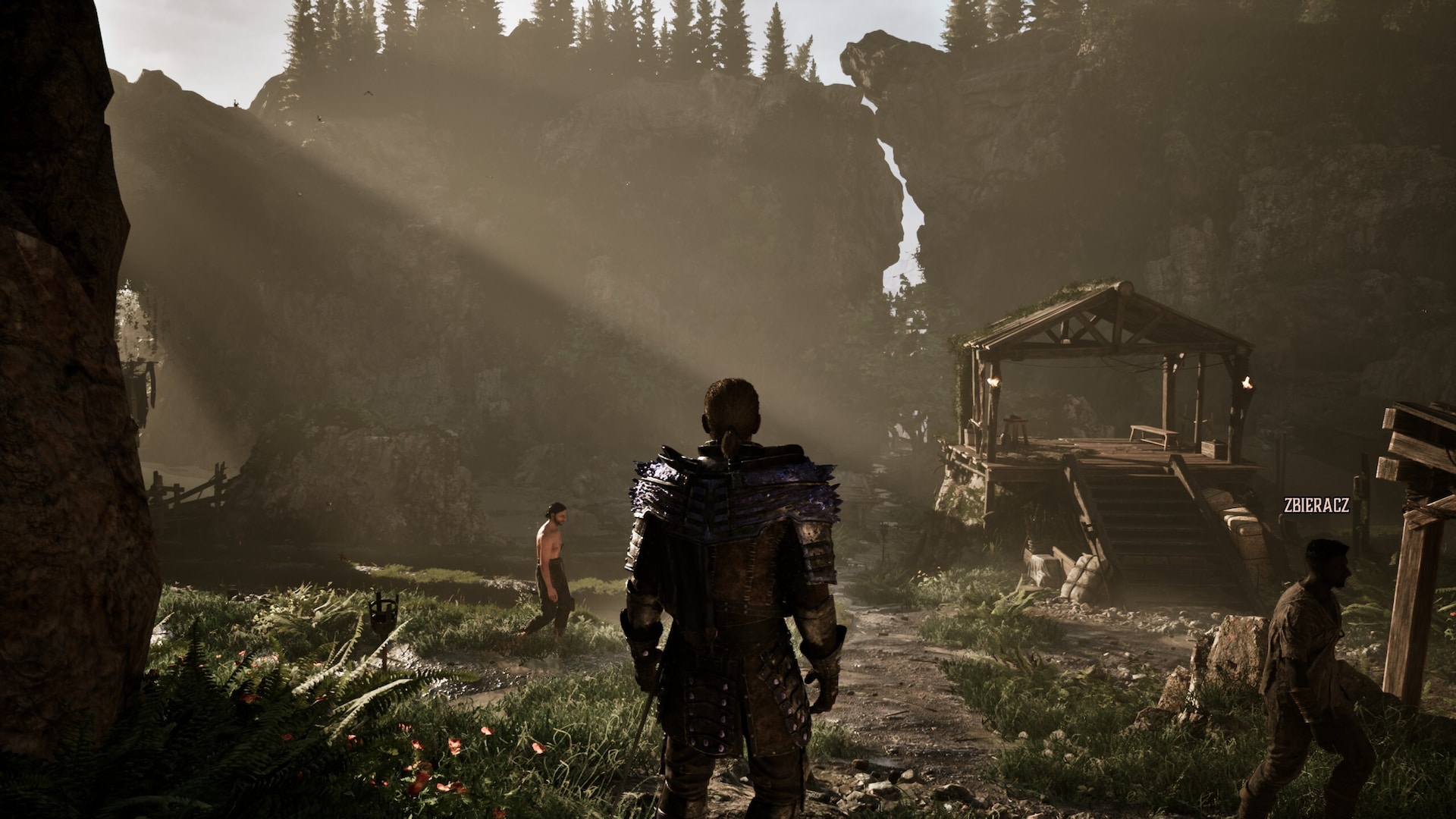
I refuse to think it’s an accident. I fully believe Alkimia made the active decision to create the game this way to preserve the essence of the original. It’s improbable they just stumbled upon a new way to make Eurojank (appreciative) that feels exactly like the original.
Take combat, for example. Back in the day, if you wanted to make a combo, you’d hold the action button and press forward with good timing, press left-right directional input for sideways swings, or backwards input for block.
Now there’s no action button to hold, directional inputs are for movement only. Instead there are four distinct attack buttons (one button per direction), one for parrying, and one for sidestep/dodge. If you want to combo, you can mix the swings, and if you manage to hit the timing, you’re flowing..
I adore how unsmooth, unhelpful this is. They could’ve just done the typical “light & heavy attack, dodge, parry” four button system, but no, you get six. You physically can’t even combo well until you ask a teacher to tell you how for ten points and a lump sum of ore. It really sells the benefits of improving your abilities. You were just a guy, you need to learn the relevant skills from first principles.
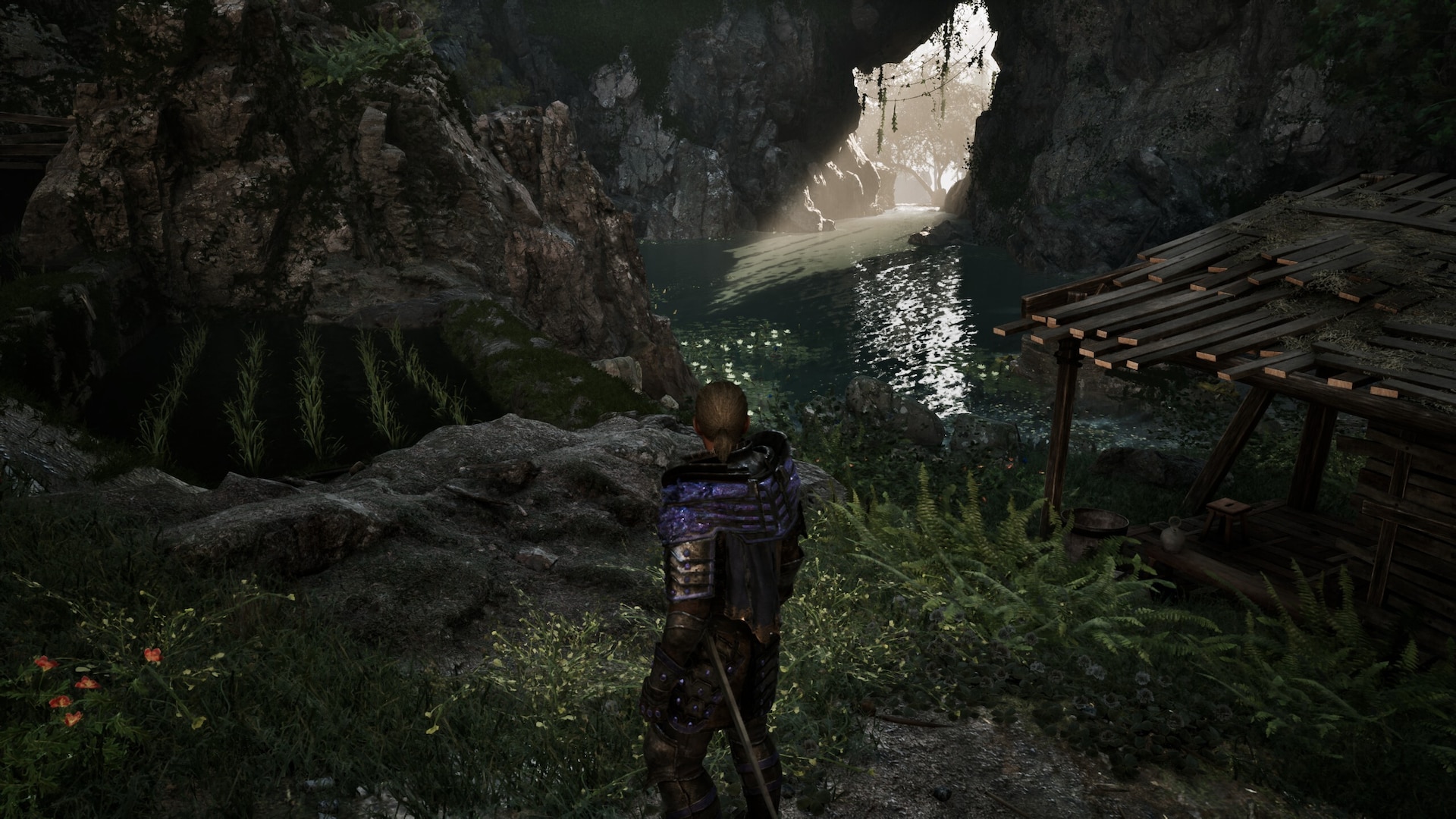
Another such unmodern system is climbing. It doesn’t feel smooth either. Where many games would make it quite fast and dynamic, Gothic Remake takes its time. It feels weirdly similar to the way Kay Vess moves around in Star Wars Outlaws. Where SWO is smooth and polished in its animations of awkwardness, Gothic is clunkier, but sells the same “I’m just a person” kind of believability.
The animations in general are worth having a section to themselves.
The aesthetics of motion
Something I want to highlight is how well Alkimia captured the way the original Gothic animated things.
I was absolutely delighted the first time I talked to a sitting NPC in the Remake and he stood up to turn towards in the exact same way it would happen a quarter century ago. Amazing, unironically.
This kinetic authenticity extends throughout the game. Some animations are the same, or very similar, others are new, but still cohesive. If somebody dropped them into the original, they wouldn’t feel out of place at all.
It’s really impressive. I don’t know if Alkimia grabbed animation data from the source, or created it from first principles, but either way it feel right. This also means it might not be appealing to modern player, used to polished animations with elegant transitions etc. but that’s a sentiment that applies to almost everything I praise here.
A share of technical foibles
It’s not all friendly jank and fun times, however. Gothic Remake does have some design decisions and technical issues that marred my experience.
Probably the biggest tech-stumble is just how many crashes I experienced while loading the latest save after dying for one mistake or another.
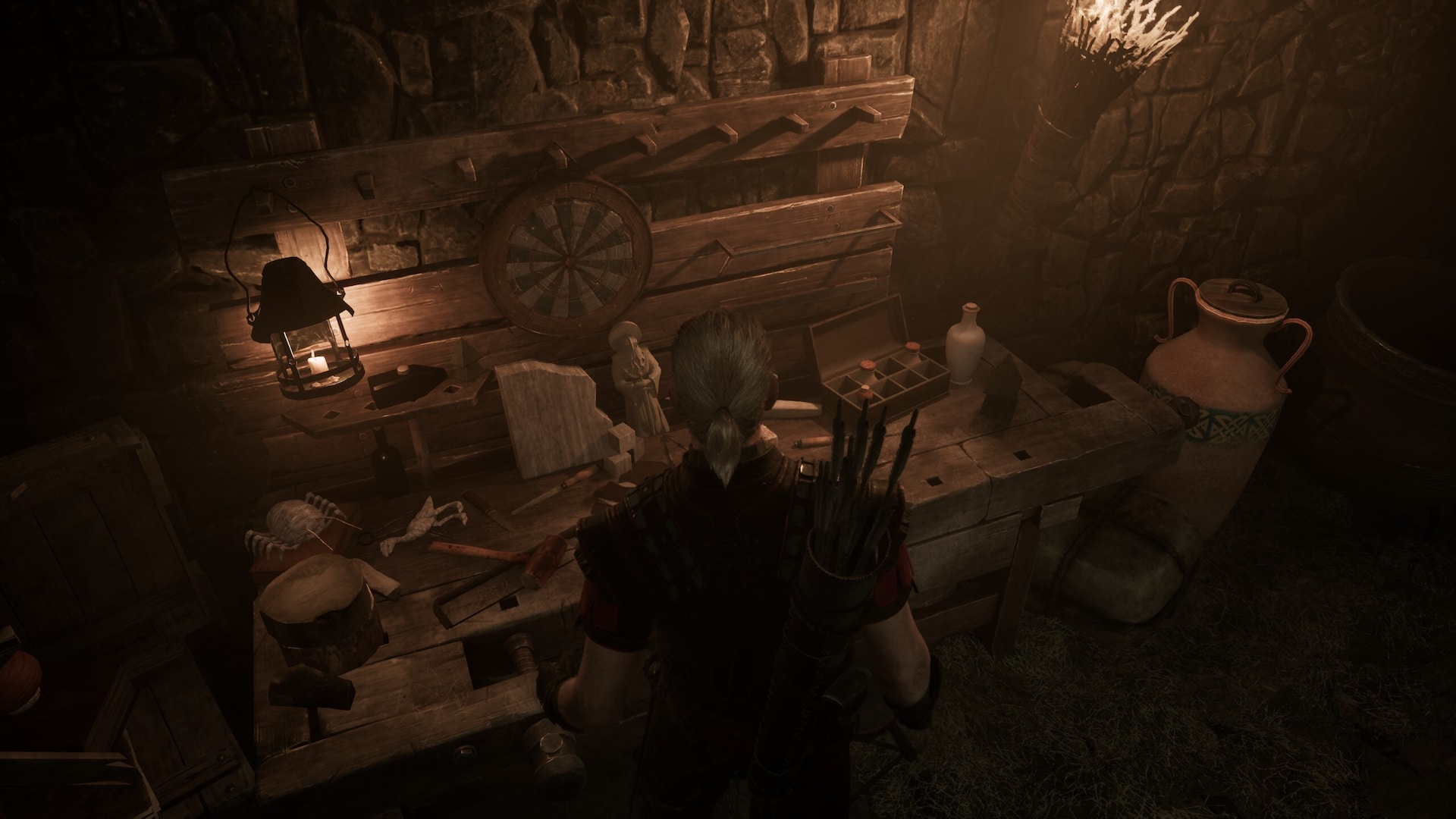
I’m okay with getting munched on by a wolf or finding our after I f… around. That’s fine.
The issue is that too often the game would just crash to the desktop from the loading screen. It was especially dire if I died in an underground location. At some point I just started Alt-F4’ing out and restarting instead of reloading, because it was faster than letting the game crash on its own.
Occasionally I’d also get trapped on geometry, the typical case of jumping into places I shouldn’t have jumped into. Sometimes mashing my way out worked, but on a few occasions I did need to cut my losses and reload.
Some design disagreements
There are also some ways the intended gameplay design didn’t resonate well with me.
Probably the biggest issue is lockpicking: a relatively complex logic puzzle with solutions that can get into 50 moves for untrained lockpickers. It’s a far cry from the originals simple sequences of left-right.
Annoying, slow lockpicking by itself would be fine, but I am quite convinced investing just once into the lockpicking skill makes certain locks impossible to open altogether.
The way the skill intends to make the process easier sometimes removes certain dependencies needed to move things into place. I haven’t been able to test these unlucky locks with fully mastered lockpicking, but I’m hearing things aren’t helped a lot there either.
The community’s reaction to this new system was loud and clear. Alkimia have only addressed it in writing for now, but it is possible there will be tweaks coming in the future. There haven’t been any at the time of publication.
I am also disappointed with the armor system, or rather how fast its fantastic expansion in the Remake is abandoned.
See, this time faction armor is modular. On joining a faction you get the barebones “uniform”, and can pay a vendor to improve it with additional pieces, differing in looks, protective values, and prices. It’s cool, I love it.
Unfortunately, as I chose the mage path, I didn’t really get to benefit from it a lot. Mages only have a straightforward Mage -> Archmage robe progression. Certain factionless sets of armour also lack the customizability.
It’s a big shame. When I heard about this system from the Making Of trailers, I was quite thrilled by the possibilities.
Playing as mage in general, I felt nerfed, compared to my two-handed-mastering friend. He reported basically melting most enemies I found at best incredibly annoying to fight, at worst almost unplayably frustrating. Fast spells are weak, and stronger spells are slow. Certain enemies would either ignore the damage, or rush me down before I could do anything. Never before have I regretted investing in magic in a Piranha-like, especially in a Gothic.
It doesn’t help that mage armour feels deeply unimpressive in terms of stats. Thankfully protection isn’t class-based, so my mage could run around in the best set in the game without detriment.
I was going to also talk a lot about how many enemies felt too weak, but Alkimia have already released two patches that made them more deadly, so that’s a good, quick response. It did feel weird to have been able to clear the shapeshifter monastery alone in a Shadow’s armor. Now the munchy dinos should be closer to the early exploration-stoppers I remember from the original.
Finally, the economy is busted. The game adjusts prices based on the camp and vendor, so you would get better prices for selling weapons on the New Camp than in the Old Camp, and a Mage would give you less ore for them, than a warrior quartermaster. On the surface, that’s good. The problem is that once you try to sell many instances of the same item, the prices decrease very, very quickly. Your choices are either taking a long in-game time to sell them, waiting for a store refresh, or selling in bulk, with quickly diminishing returns.
This results in two unsatisfying states for the broader design:
It’s not a huge problem in practical terms, necessarily. Despite all the above I still finished the game with all runes, lots of crafting resources, and about 10k banked, but I found the dynamic economy very unsatisfying and unrewarding, despite initial promise. Maybe if the returns diminished slower?
But damn, is the game pretty
I grumbled a bit for fairness’ sake and to vent my sincere frustrations, so to round it out before the end, I have to talk about the audiovisual side of things, because it’s remarkable.
Sometimes a nice thing to say about remakes is that they look the way you remember a game looking, but no, Gothic has never looked better, not even in my memories.
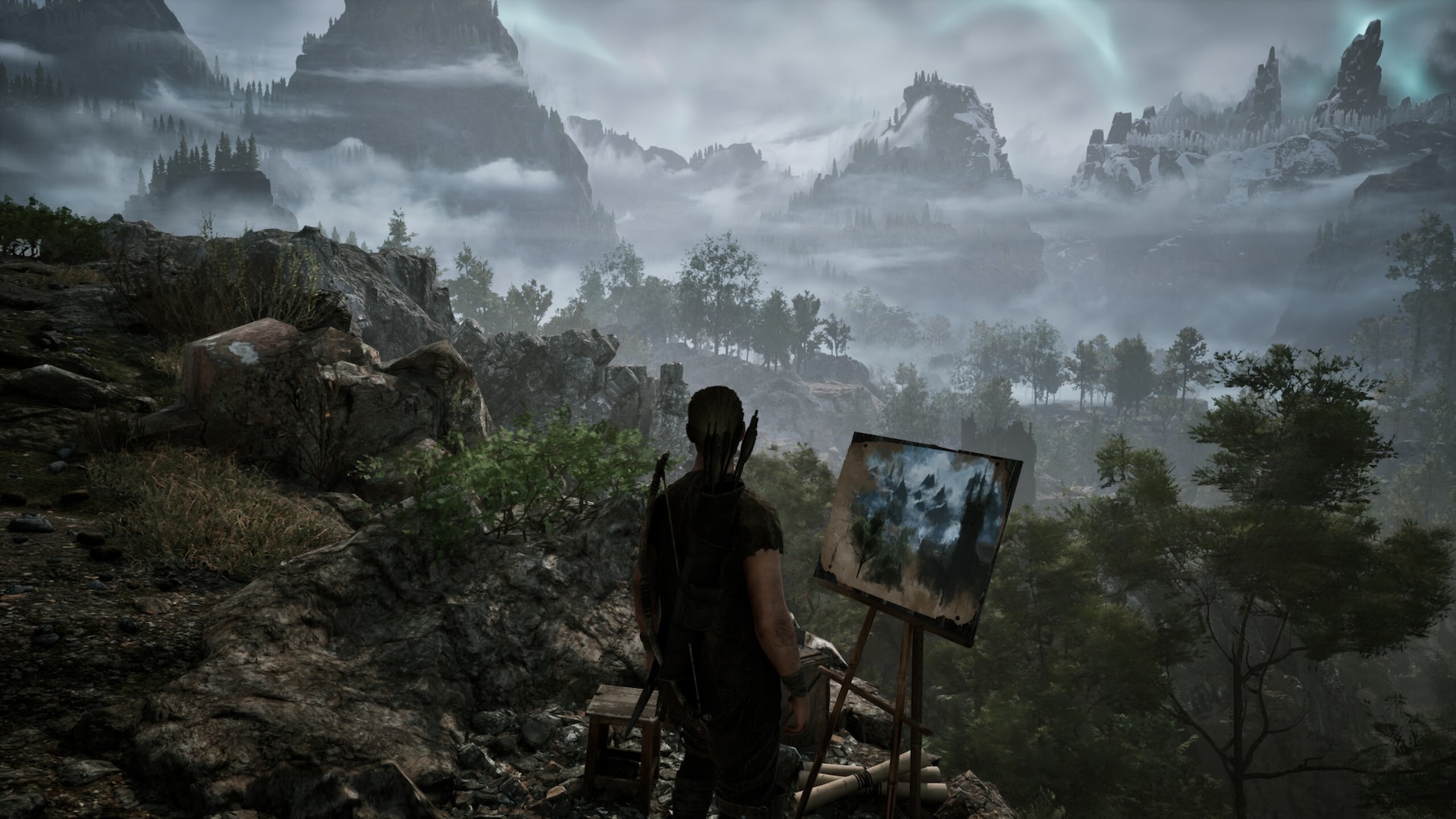
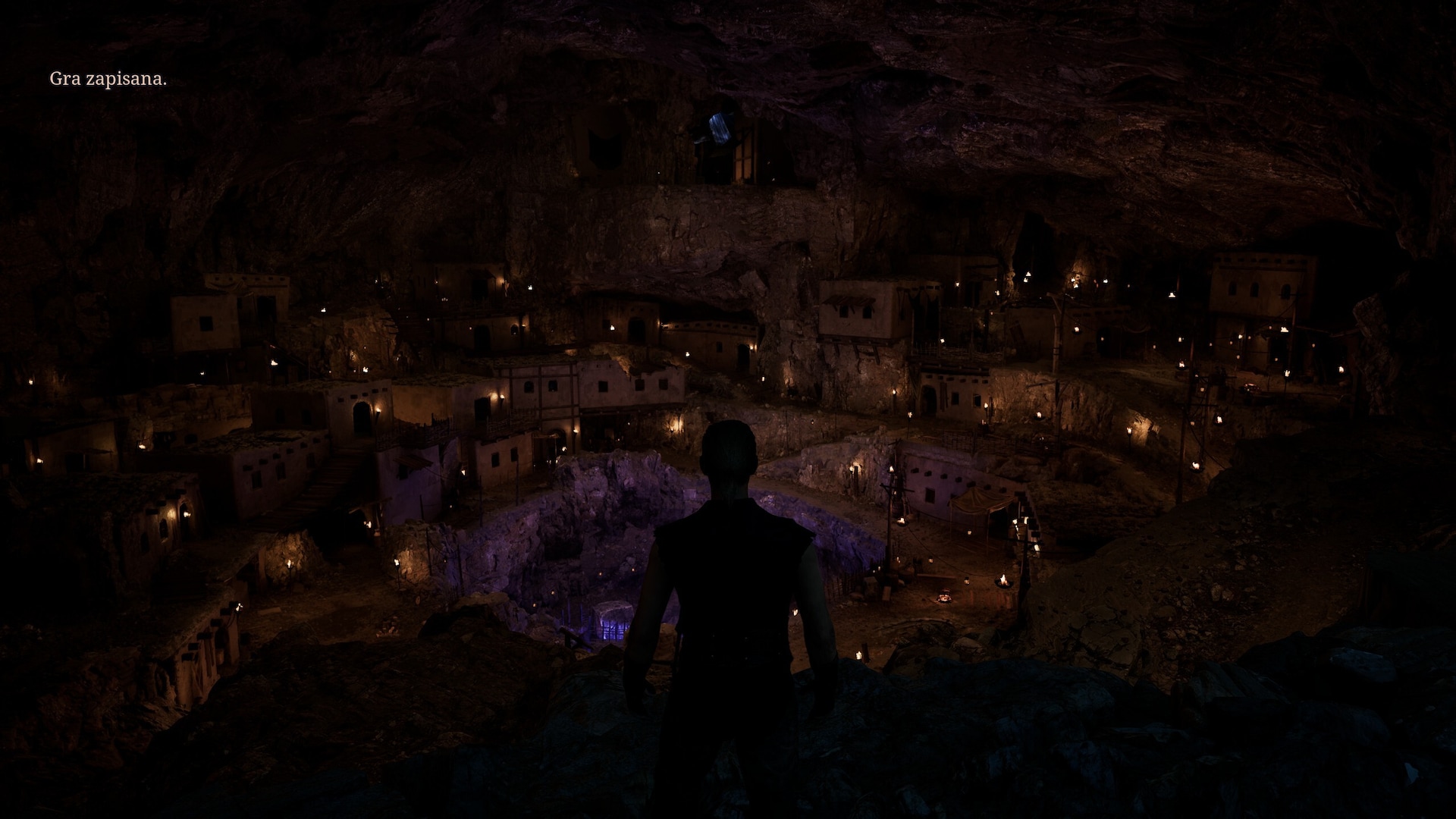
The Valley of the Mines looks absolutely incredible, fleshed out in a way it couldn’t have been a quarter century ago, with lush greenery, sparkling, clear water, majestic mountains, the barrier crackling in the sky and interactable plants no longer sticking out like an animated item in a Hannah-Barbera cartoon.
It does come, admittedly at a small detriment, because now it’s harder to spot them and identify item-plants from environment-plants. But such is the price of modern design. Maybe on next playthrough I’ll just turn on labels. Some of the monsters also got a real glow-up, like the especially ominous Shadowbeasts or the Temple Crawlers, which look almost like magical constructs. Very cool.
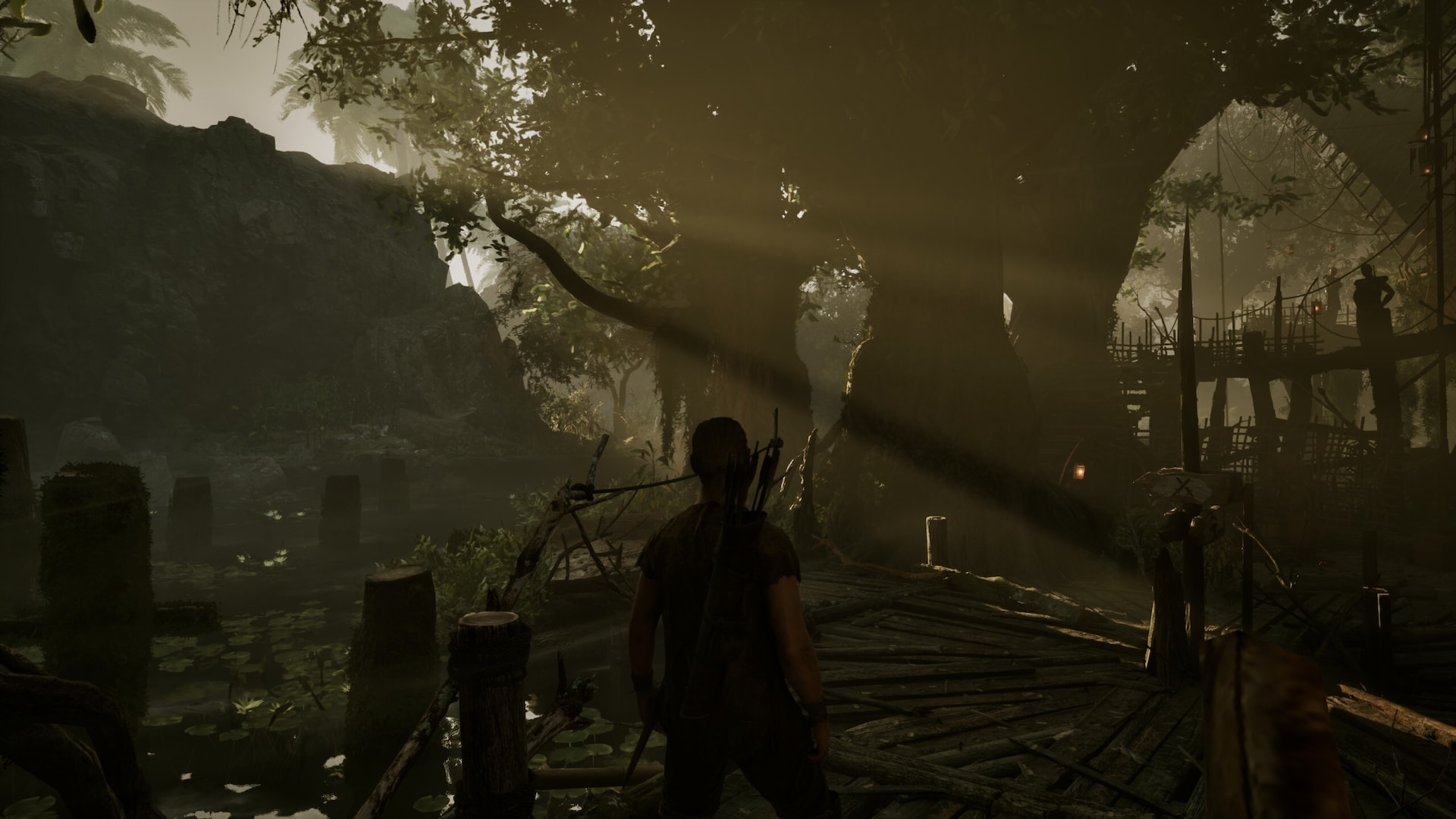
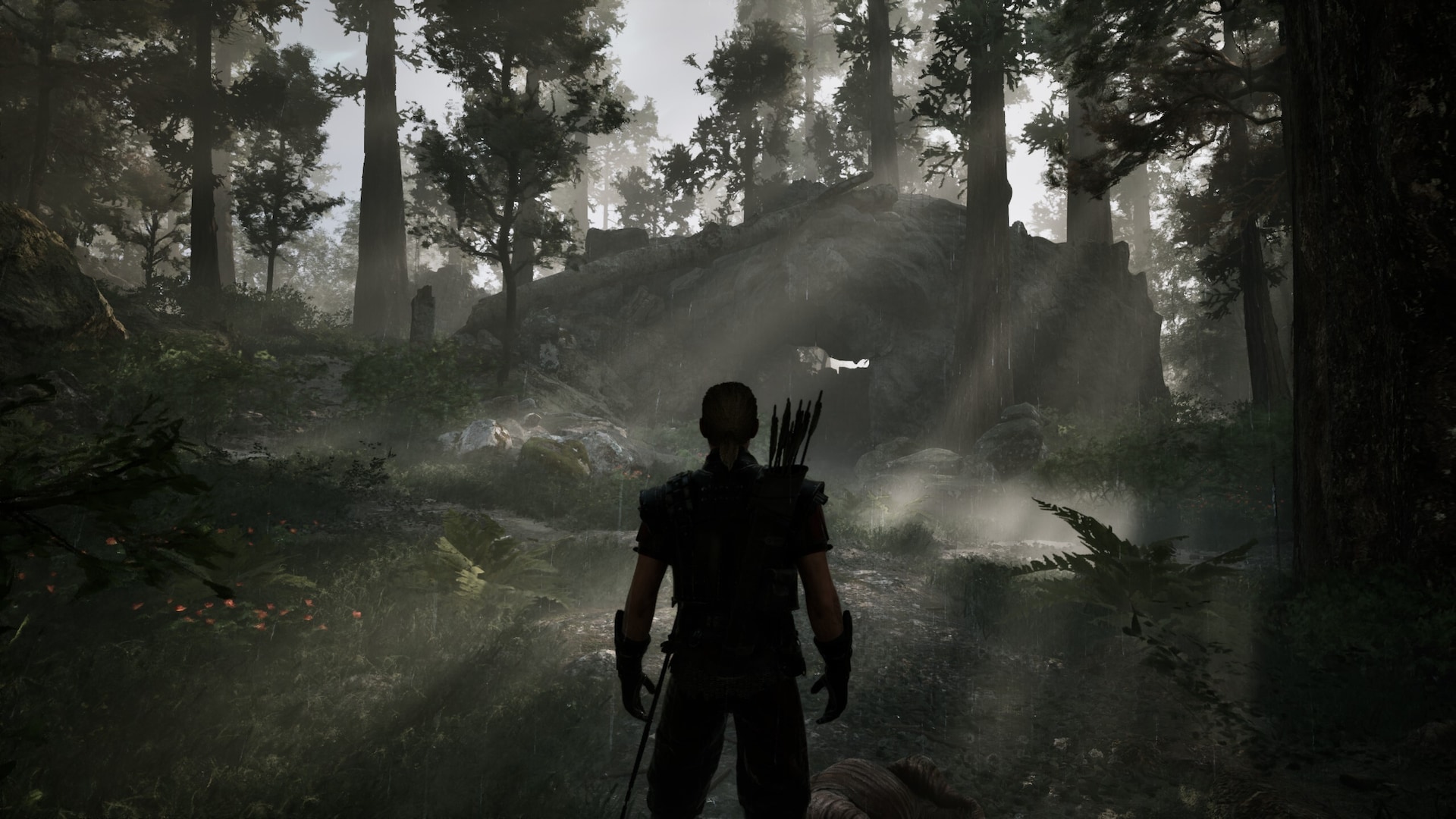
The first time we enter the valley proper in the early moments of the game feels incredible, and I found myself admiring the scenery and lighting many times afterwards. The low sunlight filtering through up an early morning mist or the Swamp camp’s tree canopy is really something else. Lightning storms at night are as awe-inspiring as they used to be, the terrain lit up in stark flashes.
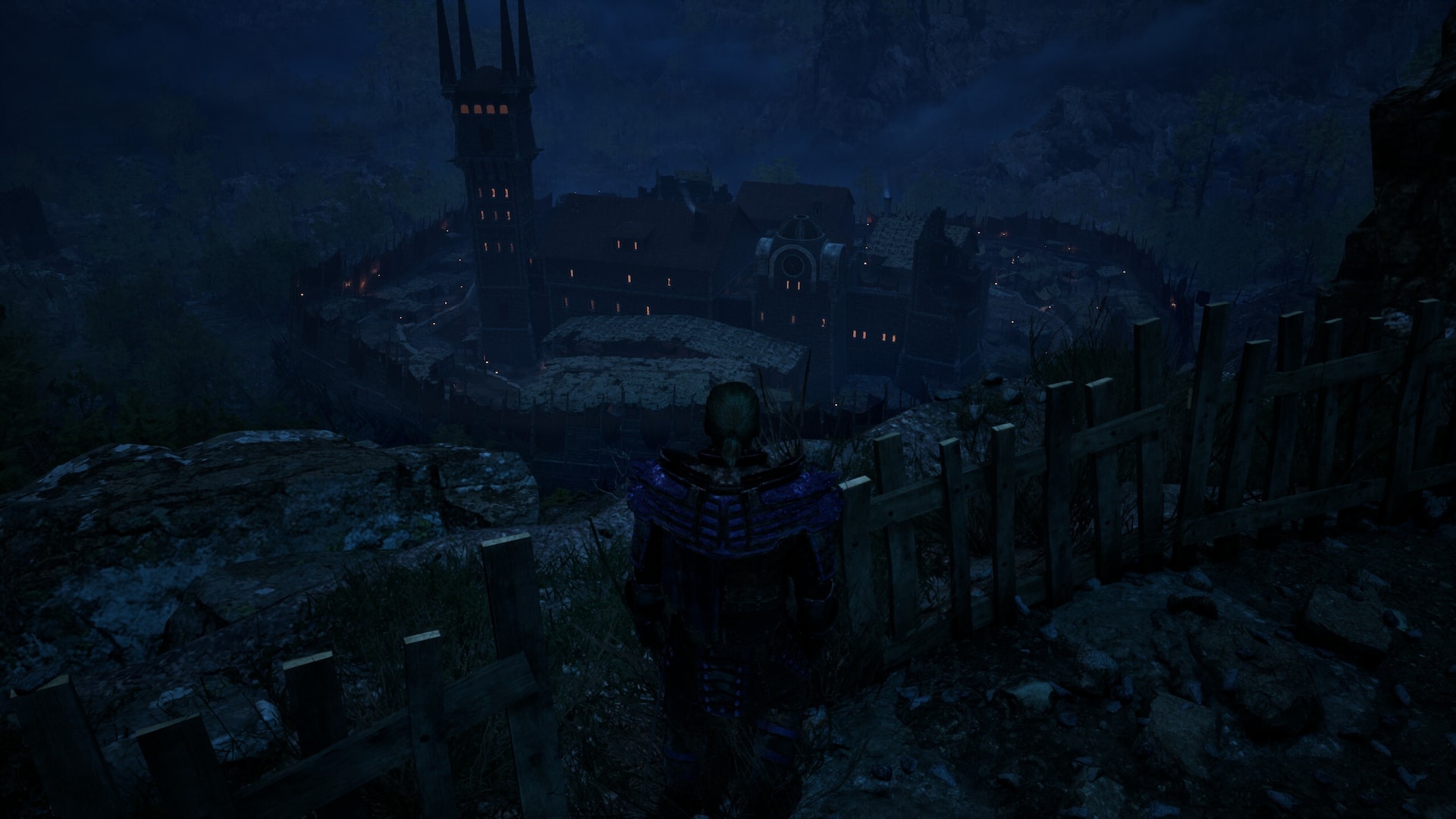
The world looks so good, so cohesive, that the human architecture feels almost distracting. The geometry of the Old Camp’s castle was perfectly fine in the relatively low-poly, chunky look of the original, now it feels almost out of place, yet too iconic to redesign. Same goes for Xardas’ towers.
Of orcs and men
The orc architecture, on the other hand, is much cooler, as are the orcs themselves. On a scale from Warhammer orks Warcraft orcs, they are closer to the latter, but not all the way there.
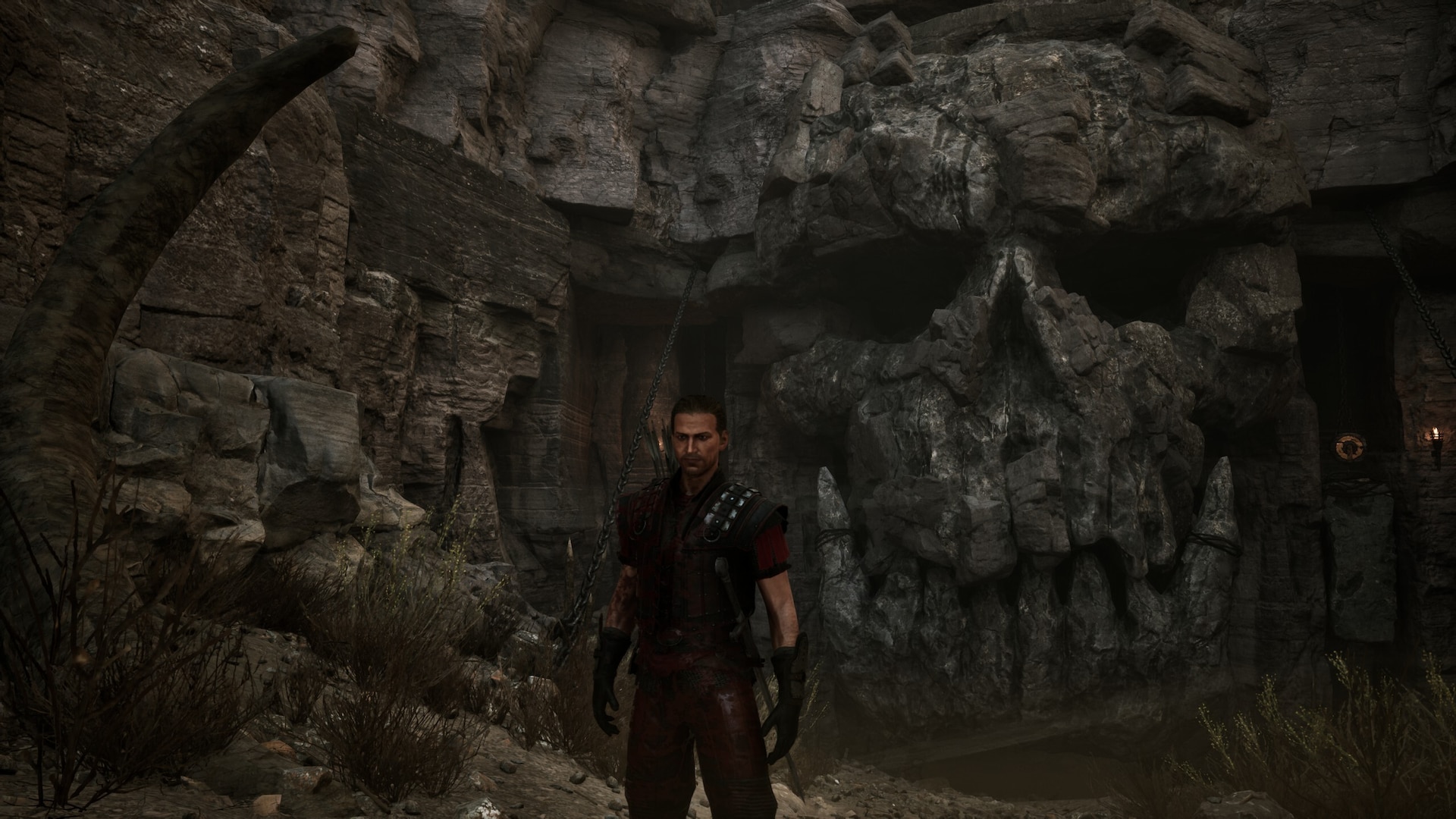
The orc enclaves and edifices feel like the appropriately belong to a culture with a very long history predating human presence on Khorinis.
Orcs themselves are doing a better job setting up the stage for Gothic 2’s orc officers and Gothic 3’s mainland orcs, a change I welcome, because the shift was a little bit jarring in the past. Now it can flow smoother, if Gothic 2 Remake ever becomes a reality.
Music! Ambiance!
The original composer, Kai Rosenkranz, returned for the Remake and it is pure joy to hear his work done anew. The main theme, the sparkling tune you hear in the Water Mage enclave in the New Camp, it’s all so, so good and sets the right mood for every scene.
The various clangs and whistles, goblin jeers, NPC barks, and all the other miscellaneous, diegetic sounds are great too. It feels familiar, but dusted off, refreshed, more ready to be blasted from modern audio setups.
Exploration
As a final note before the end, can’t miss the topic of exploring the world, something that’s always been phenomenal about Piranha-likes.
Folks, it’s as good as it’s ever been. The world is both familiar enough for me to not really need map to know where I’m going, and expanded enough for me to delight in new discoveries. I especially adore the Remake’s version of the harpy-infested fortress.
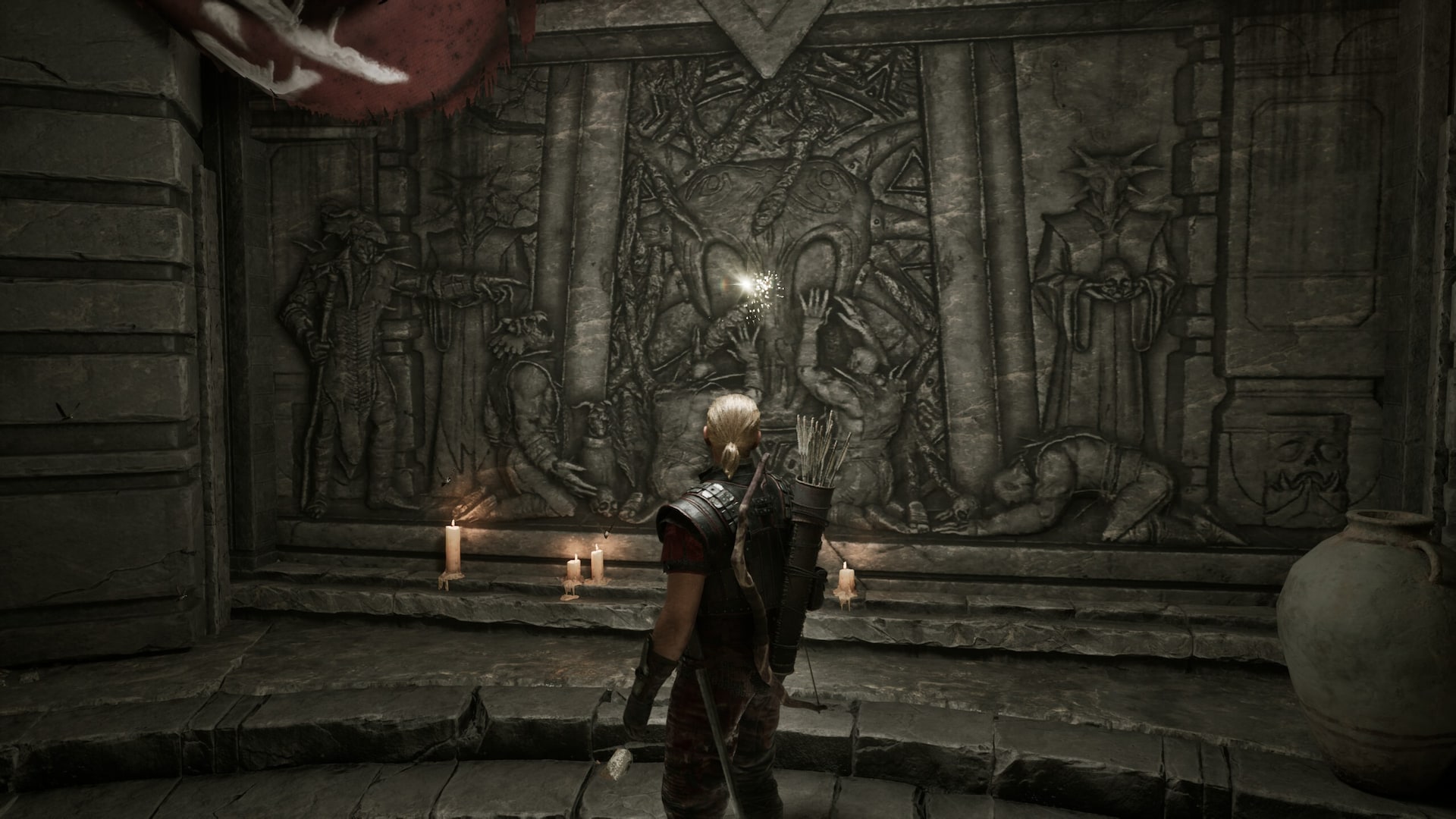
Alkimia preserve an important element: you don’t need a map to get around. Every location is unique, so you always know where you are and how to get elsewhere. There is no minimap (but you can buy and find maps of various places), there is no compass, no floating waypoint markers, and yet the world is navigable, memorable.
Familiar.
I wish more open world games had the guts to do it this way. While larger than originals, the Remake’s map isn’t humongous, it just uses the space extremely well, so it feels large through being dense, diverse, not having many straight paths.
The lack of scaling also works its wonder. The world opens up ad you get more resilient and more deadly, and each such expansion feels earned and satisfying, because it’s not the level that matters, it’s how you spend your points and your resources.
Bringing it home
As you can probably tell, I have many, many thoughts about this game, and I haven’t even presented all of them here.
I also have no idea how to evaluate Gothic Remake in a way that fits a typical review format. It is the best remake of Gothic I could have hoped for, authentic to the essence, ideas, the feeling of what it was like to play the original. It is also a game that, probably by choice, lags behind the conveniences and niceties of modern gaming, mixing fantastic, modern production values with design choices years behind standard practices.
Outside of a few bosses and the loading crashes, I had an absolute ball with it. It felt like my gaming home renovated and expanded to become more of itself. Alkimia did an incredible job making Gothic Remake feel like Gothic, not just a modern action RPG in a familiar setting.
At the same time, I feel like people used to the Witcherness and the Assassin’s Creedness of the open world format might find it too clunky, too unhelpful, janky. Were I a mean man, I’d say “skill issue”, but the fact of the matter is that I had a period of unlearning to go through as well.
Luckily, at the end of the day, it is MY review, not theirs, so by my decree I’ll say this much:
Gothic Remake might be a 7/10 video game, but it is a 10/10 remake. Which averages out to about 8,5 on a ten-point scale, or an 85/100 on our percentile format, because nobody can stop me.
| Pros | Cons |
|---|---|
|
|