

I have been waiting for a game like this for a long time and I know I’m alone here.
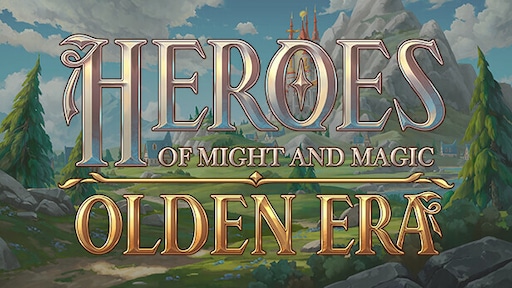
Heroes of Might and Magic: Olden Era
Release Date: April 30, 2026
Genres: Strategy, Turn-based strategy (TBS), Role-playing (RPG)
Heroes of Might and Magic: Olden Era is a direct prequel to the beloved third installment, and from the first few hours it is clear that the developers understood exactly what made that game special. This is a clean, deliberate return to the classic formula, and for the most part, it works beautifully.
Six Factions Worth Getting to Know
The roster covers six playable factions, and each one feels genuinely distinct.
The Temple is the closest to the classic Castle, with angels, knights, and griffins that can strike back multiple times.
The Hive replaces the old Inferno entirely, built around brutal melee aggression, including the Locust, a unit that can leap to corpses and eat them for combat buffs.
The Schism is a brand new addition, a cult of ice elves tied to extradimensional horrors, and it brings some of the most interesting abilities in the game.
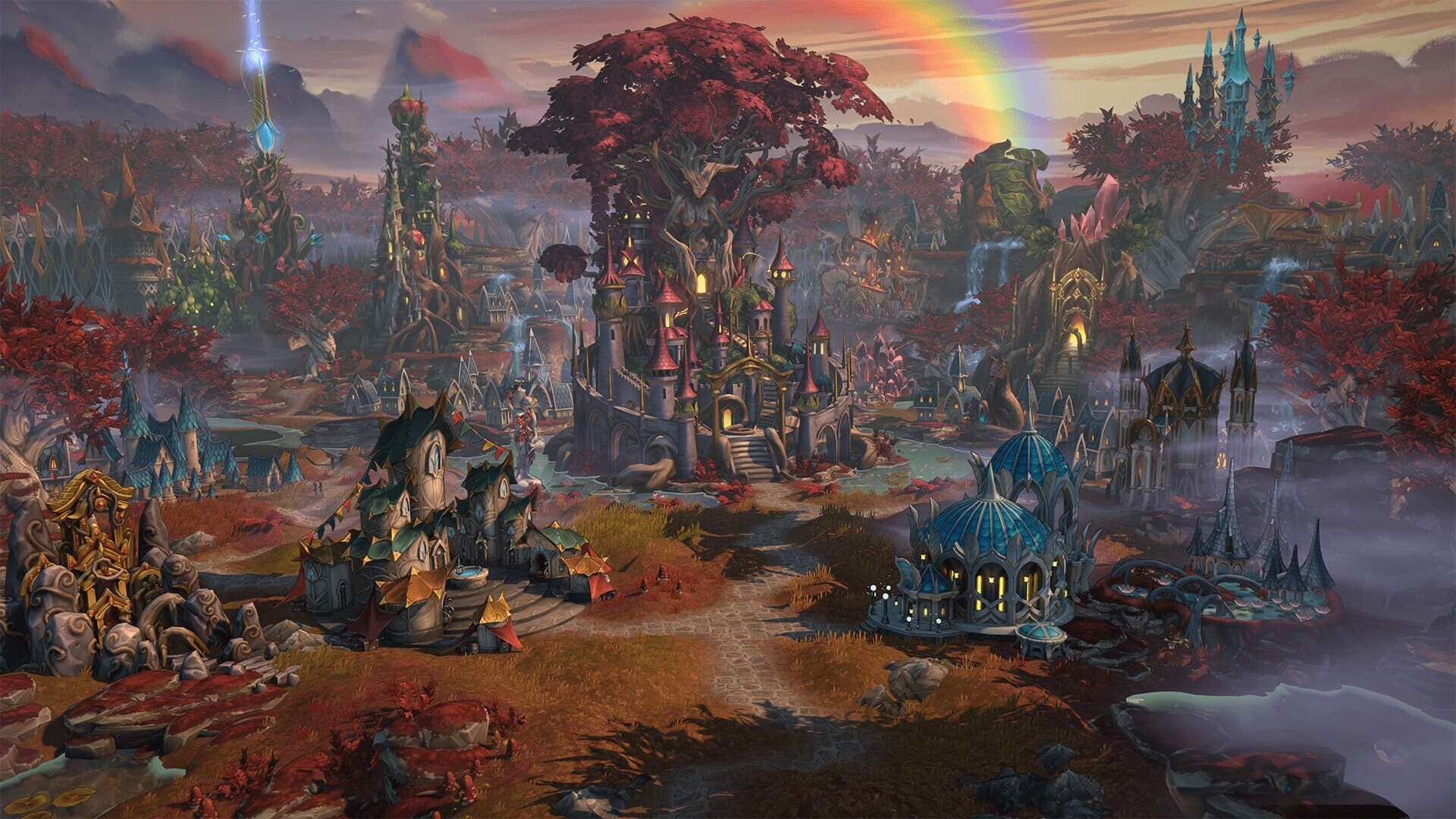
The Grove rewards patience and long-term investment. The Dungeon is build around dark elves, minotaurs, and dragons. The Necropolis fields cheap skeleton shields, life-stealing vampires, and Graveyard Hyenas that summon reinforcements mid-fight. Each faction plays differently, and that helps keep the game fresh.
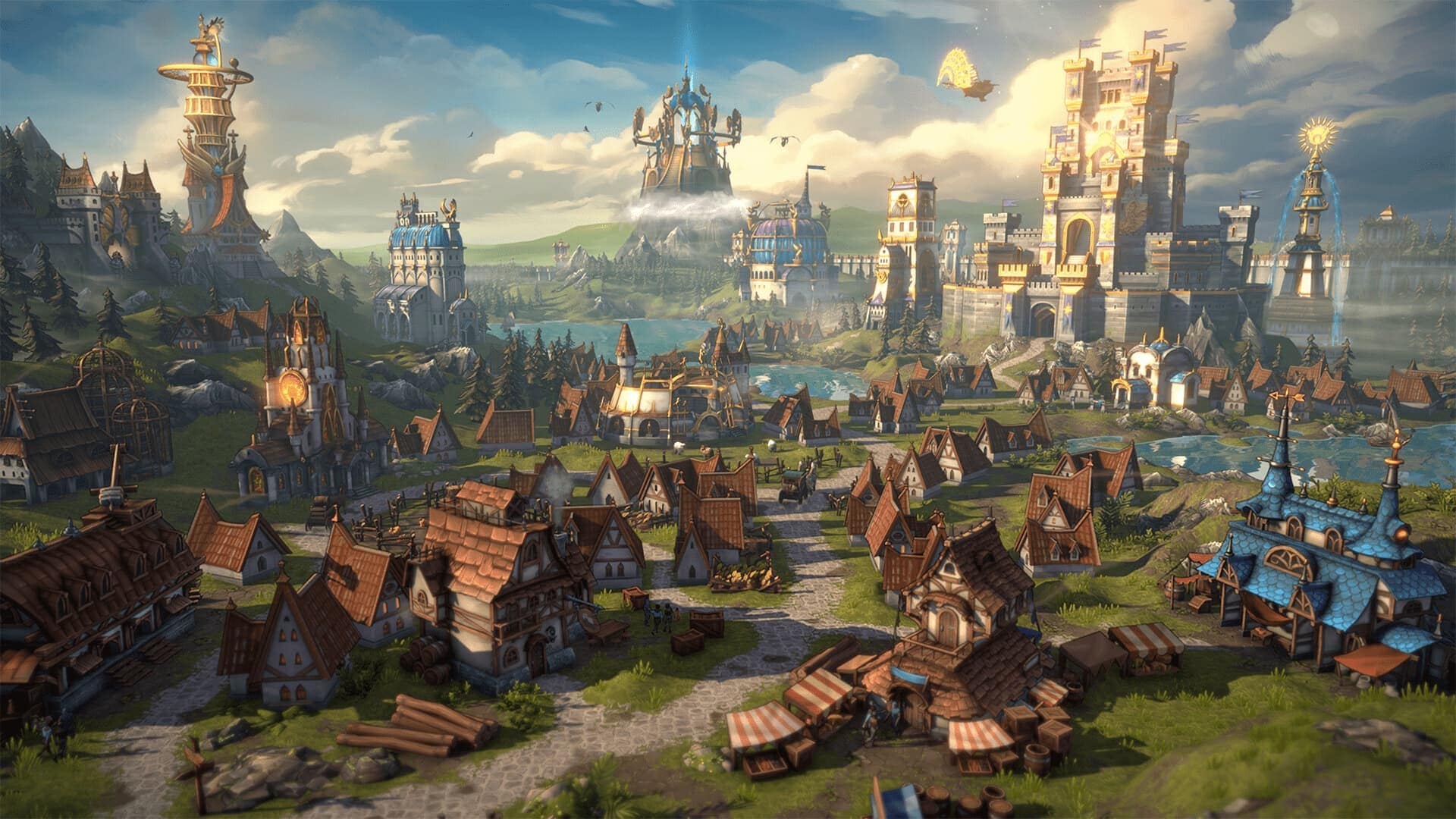
Town building follows the classic formula with a one structure per turn, which feels comfortable and familiar. A few cities stand out with unique options.
The Temple has a Sky Ship that extends vision around your settlement.
The Grove grows Mycelium roots that let heroes teleport instantly between your towns.
The Laws research tree adds another layer of development, though it currently feels a bit too similar across factions, with the same keywords and mechanics showing up regardless of which race you play.
Combat That Rewards Thinking
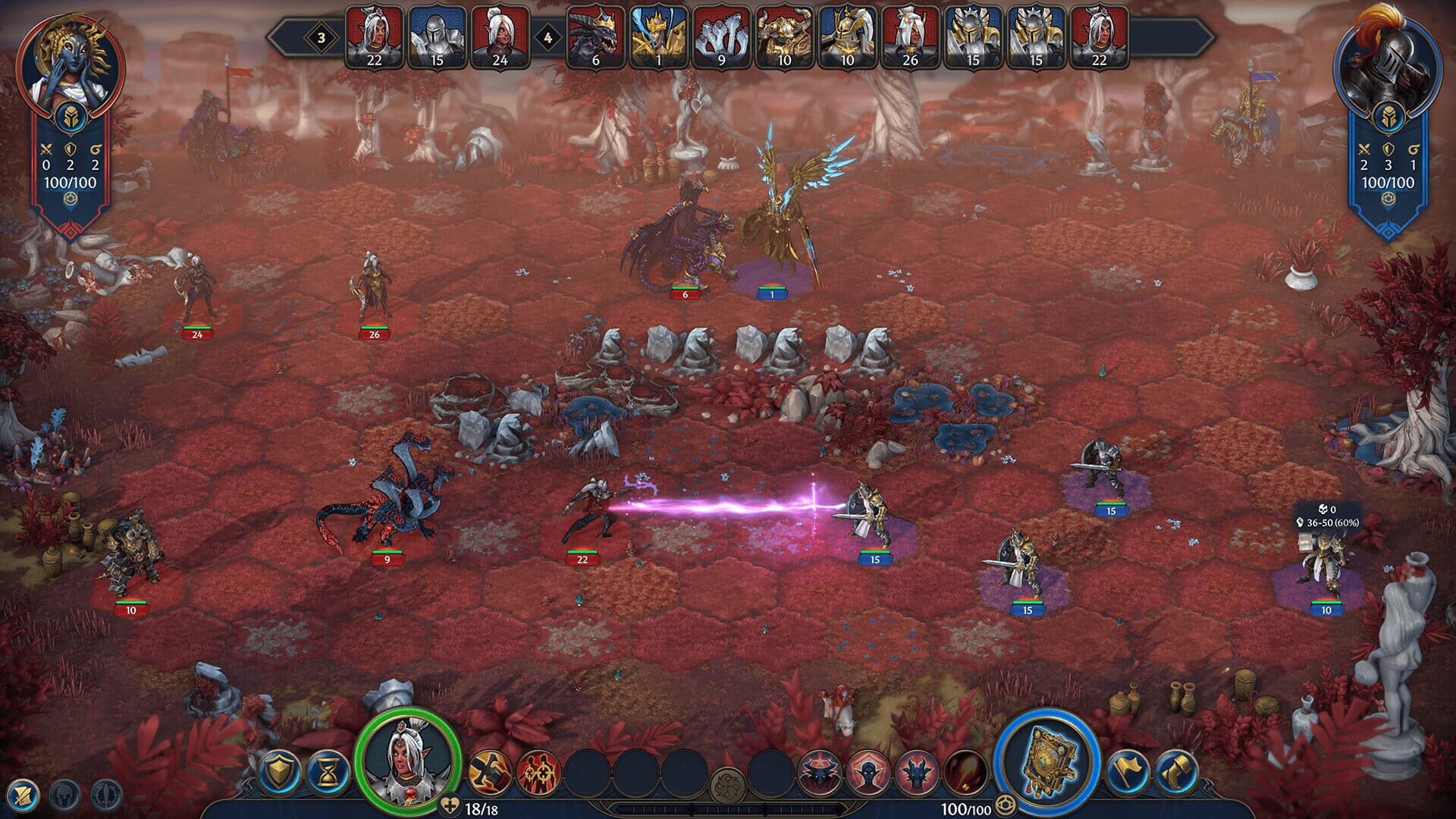
Battles take place on a hexagonal grid, and the old backstab and flanking mechanics are gone. The focus now is on the initiative stat, which encourages you to manipulate the turn order by making units wait for the right moment. That single shift changes how every fight plays out.
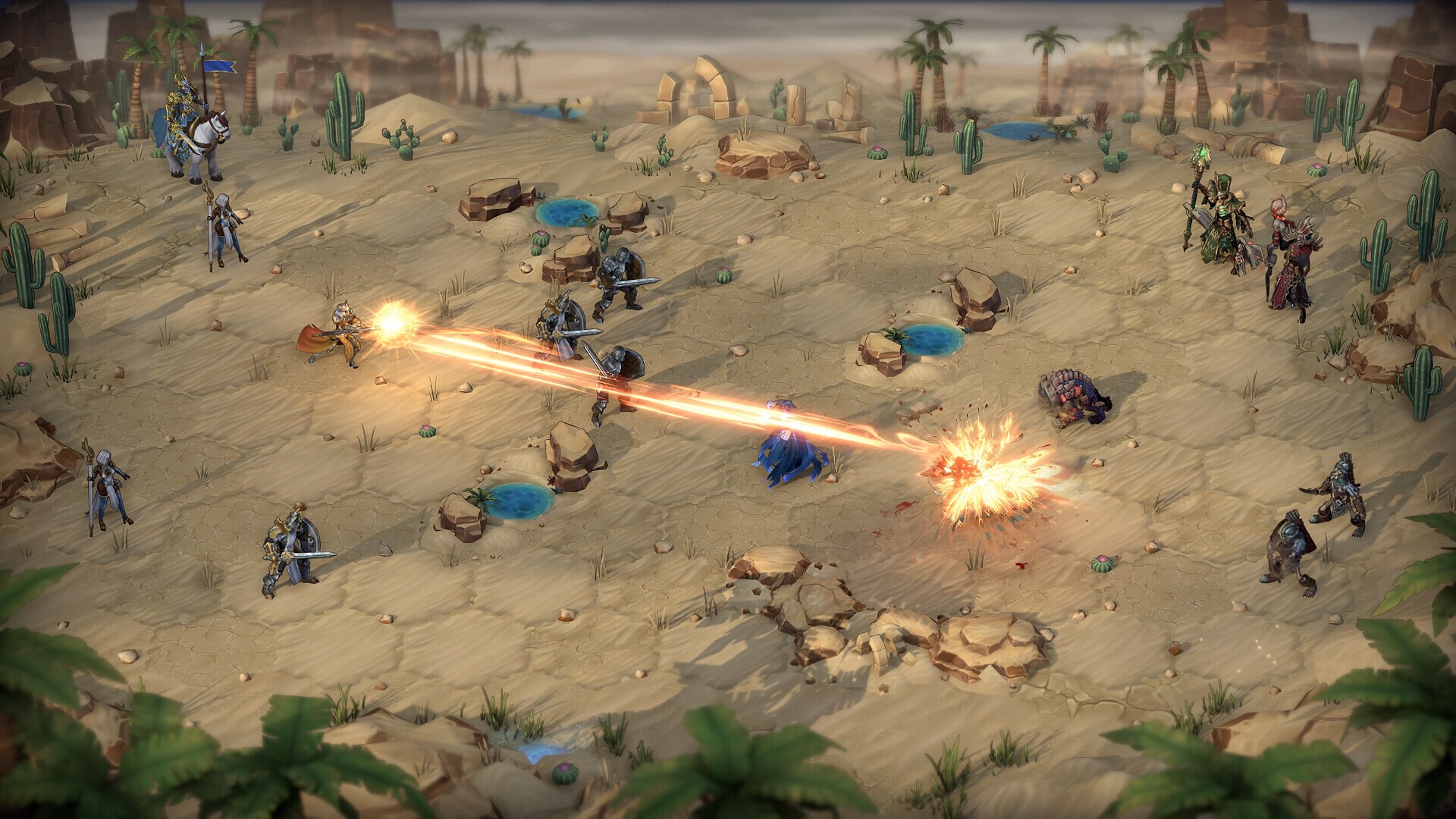
The biggest new addition is the Focus system. Units generate Focus points by dealing and receiving damage, and those points fuel powerful active abilities. The Schism’s Arbitrator can teleport enemy units across the battlefield. Heroes can spend Focus on direct attacks called Heroic Strikes. It adds a layer of decision-making that keeps combat interesting well beyond the early hours.
The dual upgrade system deserves special mention. Each unit has two alternate forms, and you can switch between them freely and for free as long as your city has the right building. This turns army composition into an ongoing puzzle rather than a one-time choice.
The balance still needs work though. The Schism’s tier-six Arbitrator deals massive ranged damage that scales with distance, and one of its upgrades locks the enemy hero’s spellbook entirely. On the other side, the Hive struggles badly in the early game with almost no ranged options available.
Heroes and Magic
Hero progression goes up to eight skill slots, and each commander has a chance to unlock a powerful elite subclass. In practice, getting there is very difficult.
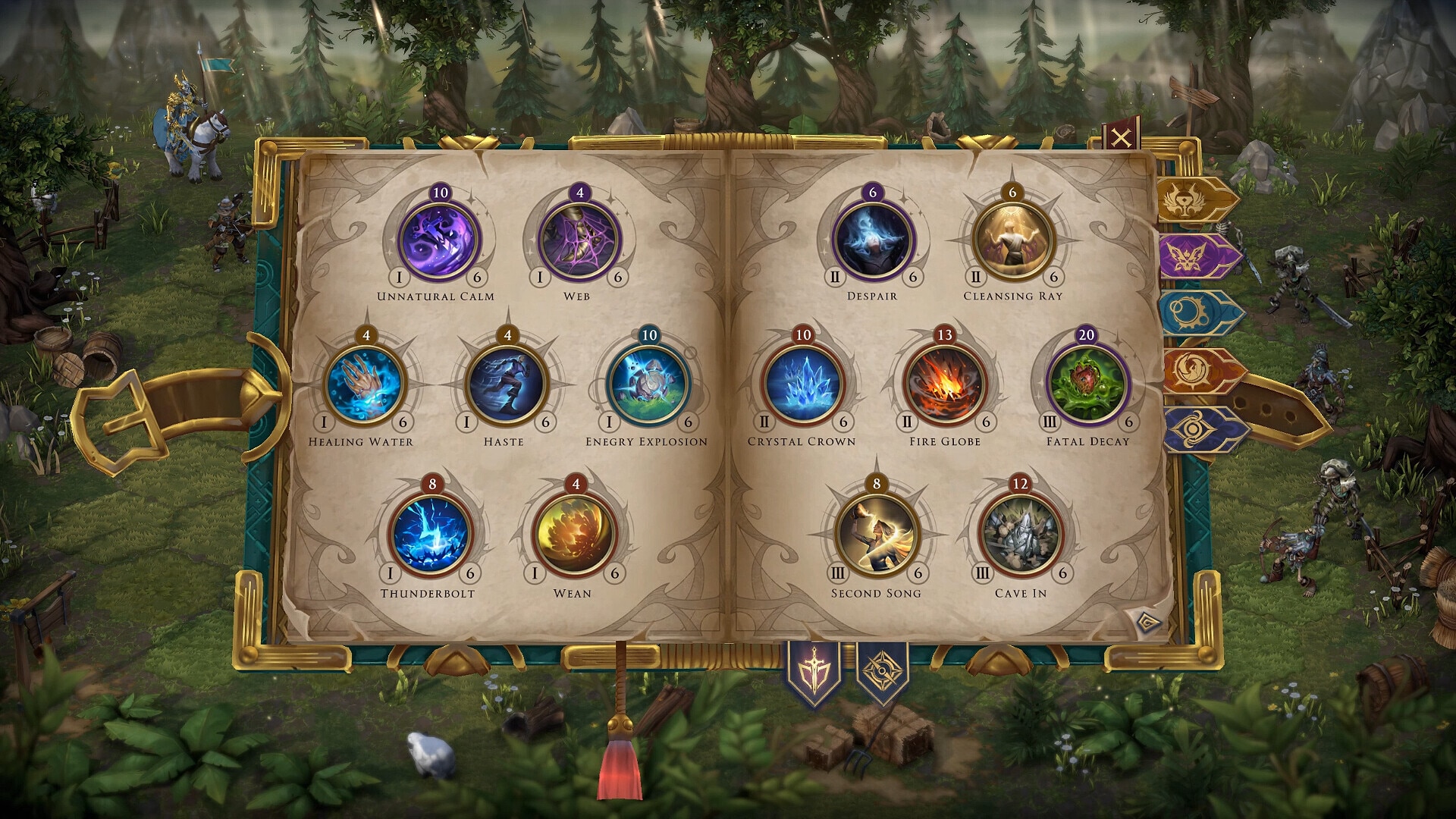
The subclass requires expert level in five specific skills, and the randomness of skill choices during leveling makes that a rare achievement rather than a reliable goal.
The magic system is much more satisfying. The old frustration of random spell discovery in mage guilds is gone. You now spend resources to unlock the specific spells you want. High-level spells like Dimension Door and Town Portal are learned through the astrology system, which adds a second track of magical progression that runs alongside your standard spellbook.
Story Campaign (Light Spoilers)
In the Early Access phase, the story campaign is the weakest and most undercooked aspect of the game, currently limited only to the first act. It suffers from severe pacing issues and an inconsistent difficulty level.
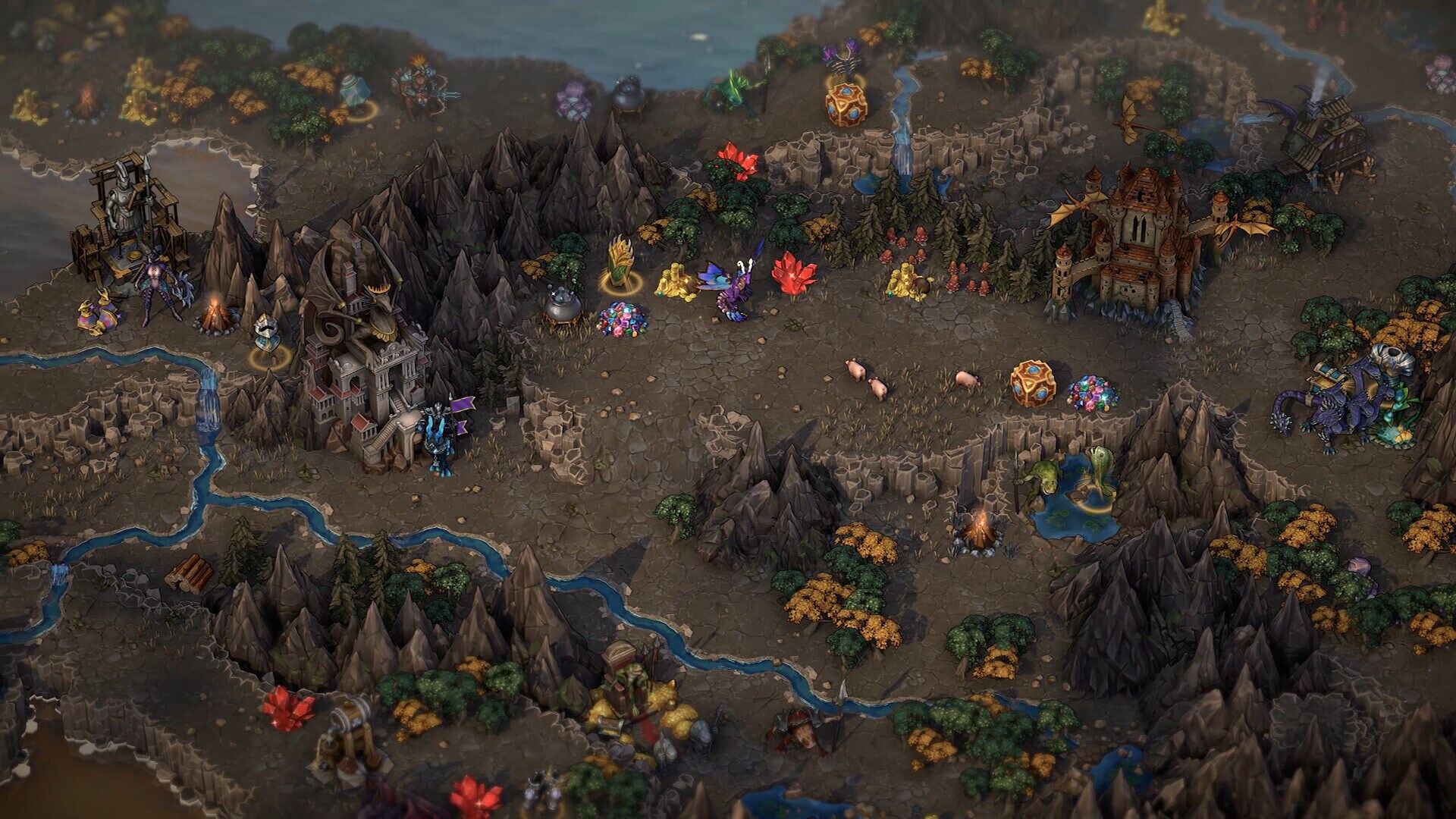
Entering light spoiler territory, one can encounter a very frustrating “cat and mouse” scenario that forces a player equipped with only one hero and one city to chase an enemy utilizing a vast network of portals and three fortresses.
Moreover, this mode can be frustrating due to artificial limitations, as it blocks access to the Laws system and hero subclasses, features unskippable cutscenes, and quickly imposes a strict experience cap on the hero.
Where Olden Era Truly Shines
Skirmish modes are where this game earns its reputation. Over 50 map templates are available, all stored as plain text JSON files, which makes fan modifications straightforward to create and share.
The Single Hero Mode concentrates all your strategic power into one commander and offers interesting win conditions like Capital Hold and City Hold.
Arena mode lets you draft an army, hero, skills, and artifacts from a random pool before jumping straight into a decisive battle. It plays like a card game and works surprisingly well. Tournament mode is the standout. Both players build their settlements independently over a set number of days, then face each other in a best-of-two or best-of-three series. Crucially, you keep your troops between duels. That single rule opens up real psychological depth, letting you bluff, adapt, and swap unit upgrades between rounds based on what you learned from the previous fight.
Audiovisual Design: Graphics and Music
The soundtrack is excellent, perfectly matched to the slow, thoughtful pace of planning and exploration. The visuals are rich and expressive, with strong faction identity across every unit and town. The user interface is the one sore spot. Too many simple actions
require clicking through multiple menus, and it slows things down in ways that feel unnecessary. The game also requires an SSD to run properly, which is worth knowing before you buy.
Heroes of Might and Magic: Olden Era Pros and Cons of the Game
Pros:
- An excellent return to the classic exploration and combat mechanics from the iconic third installment of the series.
- Revolutionized tactics thanks to the focus system, allowing the tactical use of powerful unit and hero abilities.
- A very successful, free system for flexibly switching between two upgrades for each unit depending on the strategy.
- A wide, innovative range of multiplayer and solo modes, including Tournament, Arena, and Single Hero Modes, which eliminate the drag of classic matches.
- Removal of frustrating randomness from the magic spell discovery system in mage guilds.
- Six diverse, unique, and mechanically interesting factions.
Cons:
- A frustrating, undercooked campaign with severe pacing issues, artificial level caps, and restricted access to advanced mechanics.
- An extremely random hero subclass system that is overly difficult to achieve in normal gameplay.
- A user interface that requires streamlining to reduce excessive menu clicking.
- Visible balance issues across factions (the extremely overpowered Schism Arbitrator vs. the Hive’s early-game ranged problems).
- Somewhat repetitive design for the “Laws” research tree and basic town expansion across all castle types.
- Minor Early Access technical bugs, such as turn transitions hanging on certain map templates.
Heroes of Might and Magic: Olden Era Conclusion
Heroes of Might and Magic: Olden Era is a genuinely impressive return to a formula that fans have been asking for since the early 2000s. It takes the classic mechanics and adds real depth through free unit upgrades and the Focus system, without losing the strategic board-game feel that made the original so beloved. The campaign and some balance issues are real problems right now, but the core of the game is already strong.
If you have any affection for the classic Heroes games, this is worth your time even in Early Access. Limbic Entertainment clearly understands what made Heroes III great, now they just need to finish building it.