





EXODUS – Release Date, Gameplay, Story, Companions and Everything We Know
EXODUS is shaping up to be one of the biggest new sci-fi RPGs on the horizon. Developed by Archetype Entertainment and published by Wizards of the Coast, it combines third-person combat, companions, major player choices, and interstellar exploration with one particularly unusual idea: time dilation.
The game is set 40,000 years in the future, where humanity is facing extinction and its greatest threat comes from the Celestials, descendants of humans who evolved into something far more powerful. EXODUS is currently targeting an early 2027 launch on PC, PlayStation 5, and Xbox Series X|S.
Table of Contents
- EXODUS at a glance
- EXODUS release date and platforms
- Editions and pre-orders
- Story and setting
- Jun Aslan
- Time dilation explained
- EXODUS gameplay
- Exploration and hostile worlds
- Companions and relationships
- Choices and consequences
- Who are the Celestials?
- Why EXODUS is drawing Mass Effect comparisons
- Who is making EXODUS?
- EXODUS books and expanded universe
- EXODUS system requirements
- EXODUS FAQ
- Time waits for no Traveler
EXODUS at a glance
Archetype describes EXODUS as a story-driven, single-player third-person action-adventure RPG. The current plan is a global release across major territories.
EXODUS release date and platforms
EXODUS is scheduled to launch in early 2027. Archetype has not announced a specific day or month yet.
The confirmed platforms are:
- PC via Steam and Epic Games Store
- PlayStation 5
- Xbox Series X|S
There is currently no announced PS4, Xbox One, or Nintendo version.
Editions and pre-orders
Pre-orders are not live yet, and Archetype has not announced pricing, editions, or pre-order bonuses. The game can currently be wishlisted on its confirmed digital storefronts.
This section will become more useful once Standard, Deluxe, Collector’s, or other editions are officially revealed.
Story and setting
EXODUS takes place tens of thousands of years after humanity abandoned a dying Earth and traveled into deep space aboard ark ships.
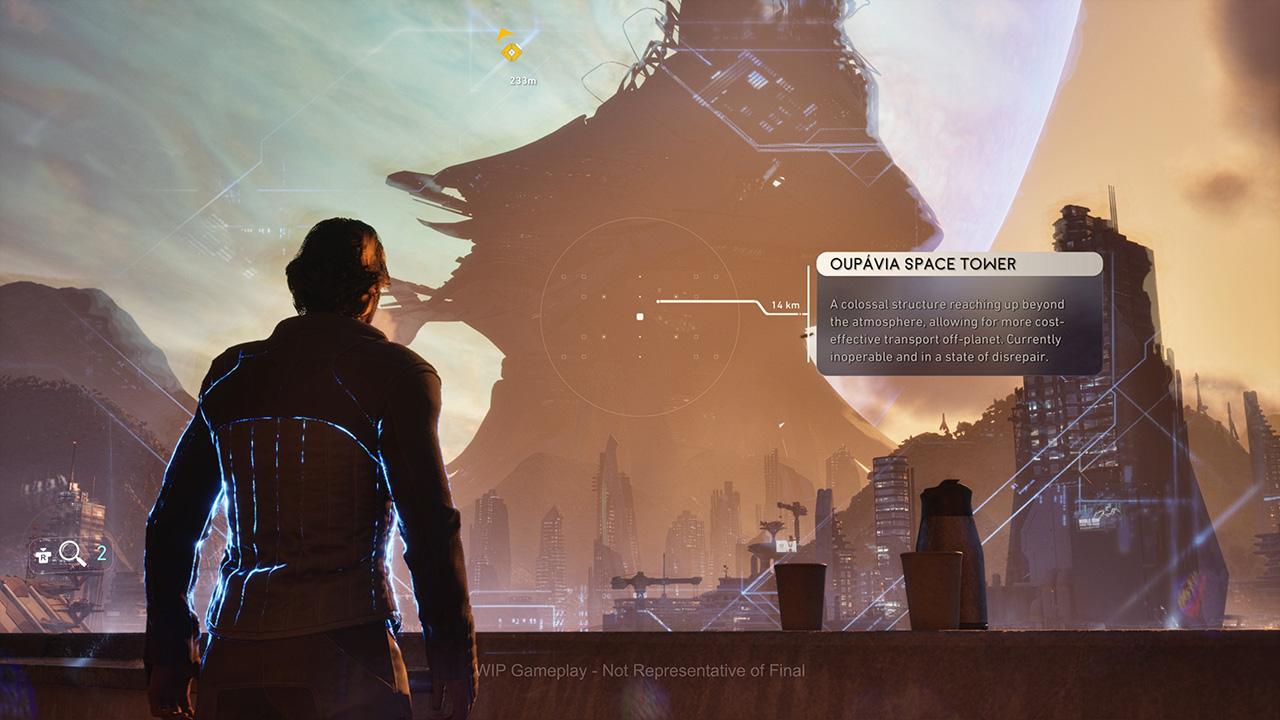
Human civilization survived, but time and evolution changed it dramatically. Some descendants of humanity eventually became the Celestials, technologically superior beings who now stand far above the societies descended from later human settlers.
The present-day crisis centers on the Rot, a Celestial virus threatening Jun Aslan’s homeworld with extinction. Jun and his crew must venture into dangerous regions of space, explore ancient ruins, confront Celestial forces, and recover technology that could give their people a chance to survive.
Jun Aslan
Players take the role of Jun Aslan, who begins as a salvager before becoming a Traveler and taking responsibility for humanity’s survival.
Jun is customizable. Archetype says players can choose a male or female Jun, alter their appearance, select gear, and shape their morality over the course of the story.
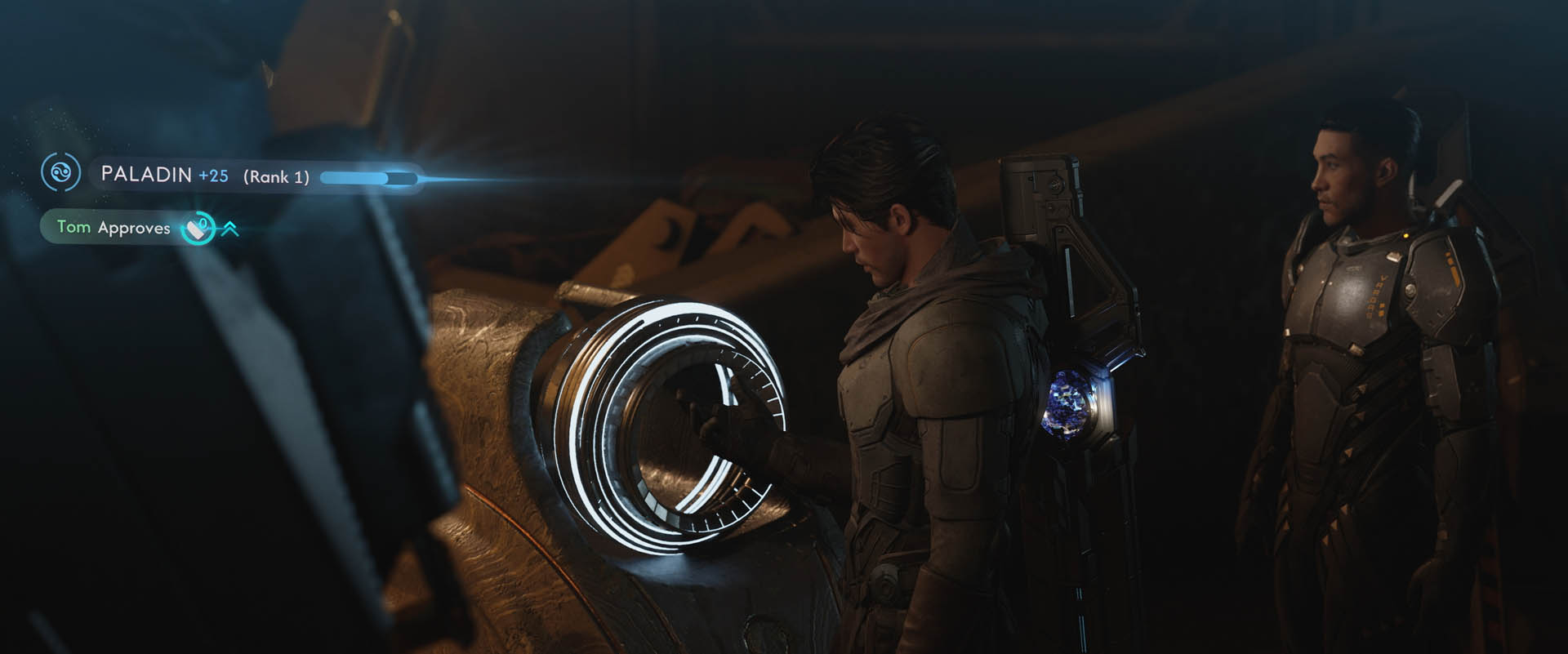
That gives EXODUS a defined protagonist without completely locking players into one version of the character. Jun has an established place in the story, but major parts of their identity and decisions remain in the player’s hands.
Time dilation explained
Time dilation is the idea that most clearly separates EXODUS from other cinematic sci-fi RPGs.
Travelers journey at or near light speed through interstellar routes. For Jun, a mission might take days or months. For the people left behind, years or even decades can pass.
That means returning from a mission is not simply returning to the same home base.
People can age. Relationships can change. Political situations can develop. Entire societies may have to live with the consequences of something Jun decided many years earlier from their perspective.
Archetype says these effects can ripple across generations and even affect Jun’s civilization as a whole.
It is both a story device and a consequence system. The real cost of traveling across the galaxy may not be what happens while Jun is away, but what happens at home while time keeps moving.
EXODUS gameplay
EXODUS mixes third-person action with RPG progression, exploration, companions, dialogue, and player choice.
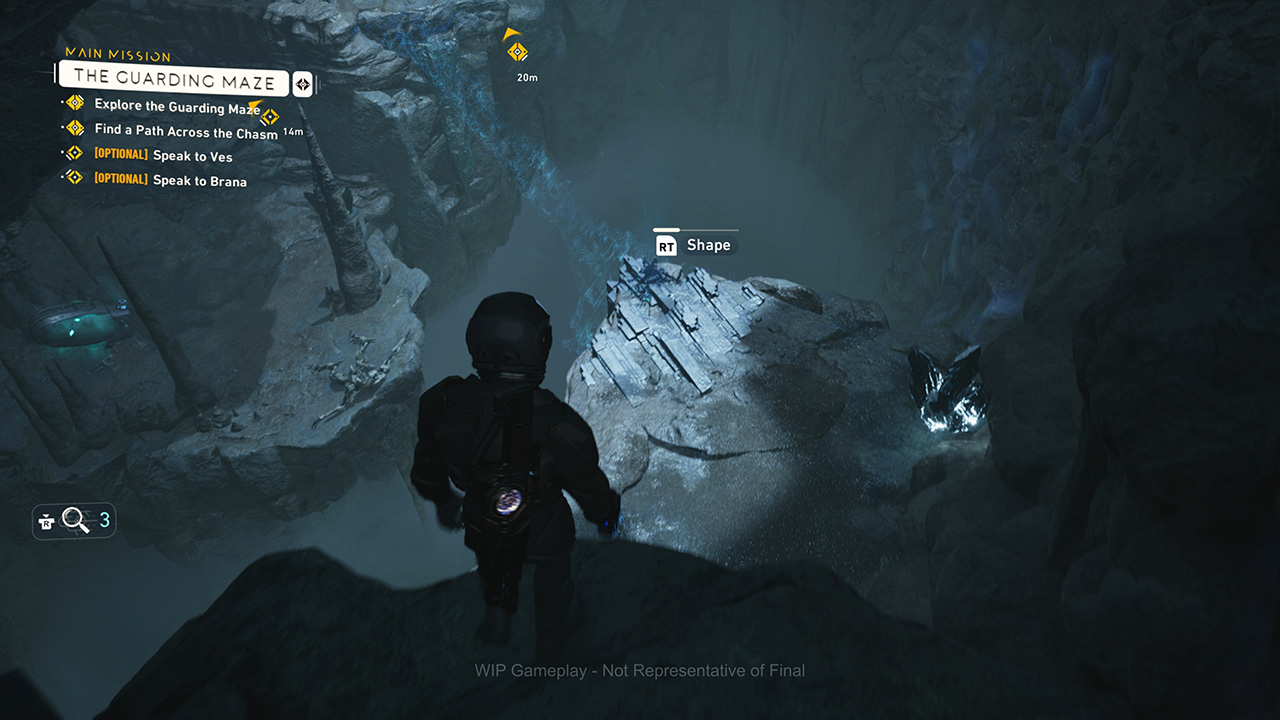
Official gameplay material has shown ranged combat, melee encounters, unusual Celestial technology, environmental traversal, conversations, hostile alien environments, and encounters with creatures that look very different from conventional humanoid enemies.
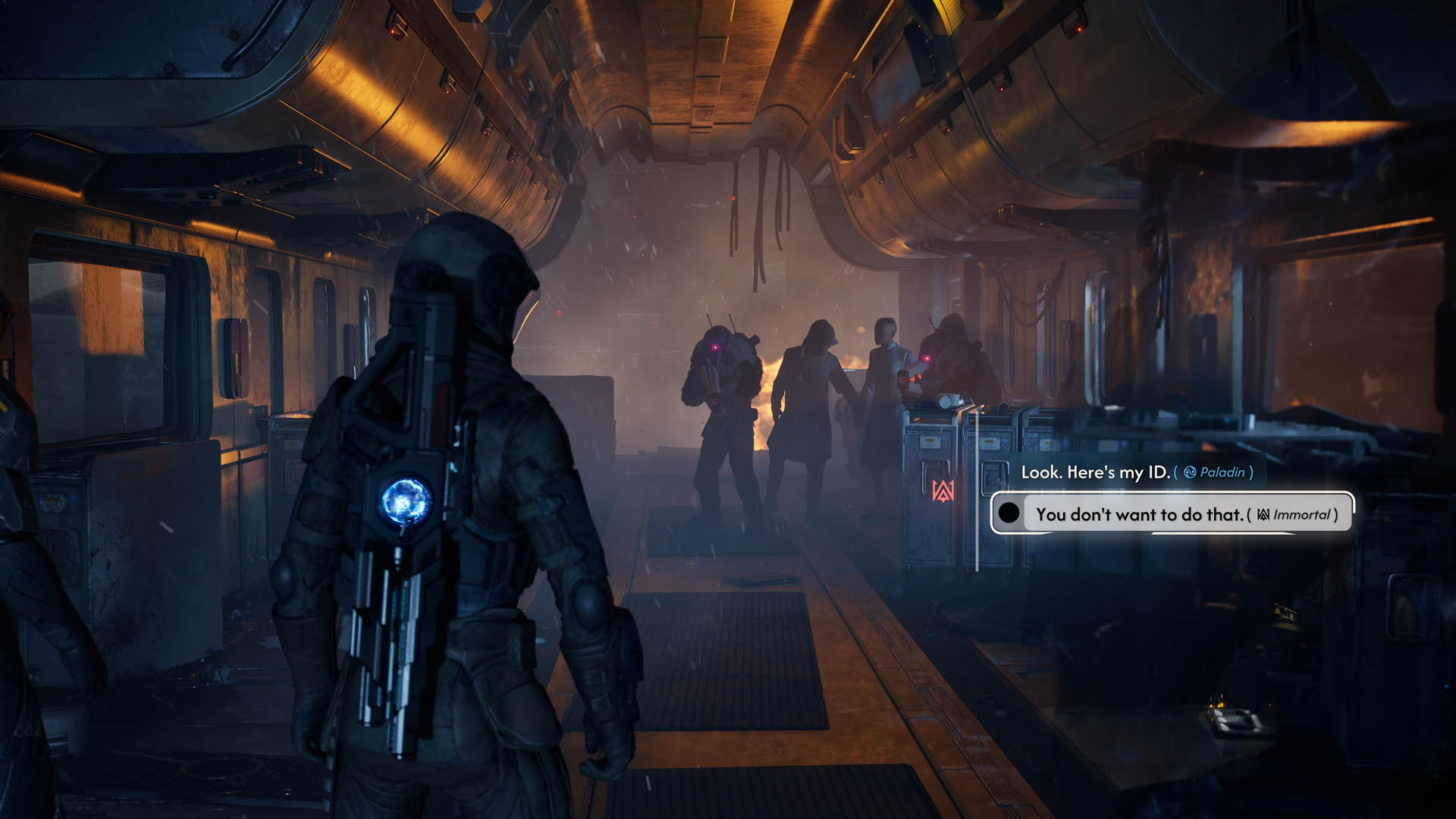
The game is not turn-based. Combat happens in real time, with Archetype emphasizing mobility, abilities, weapons, and technology acquired during Jun’s travels.
The June 2026 extended gameplay reveal brought those systems together in a longer sequence, showing exploration, dialogue, combat, and progression within the same mission rather than as disconnected demonstrations.
Exploration and hostile worlds
EXODUS is built around traveling to distant locations in search of resources and technology that could save Jun’s homeworld.
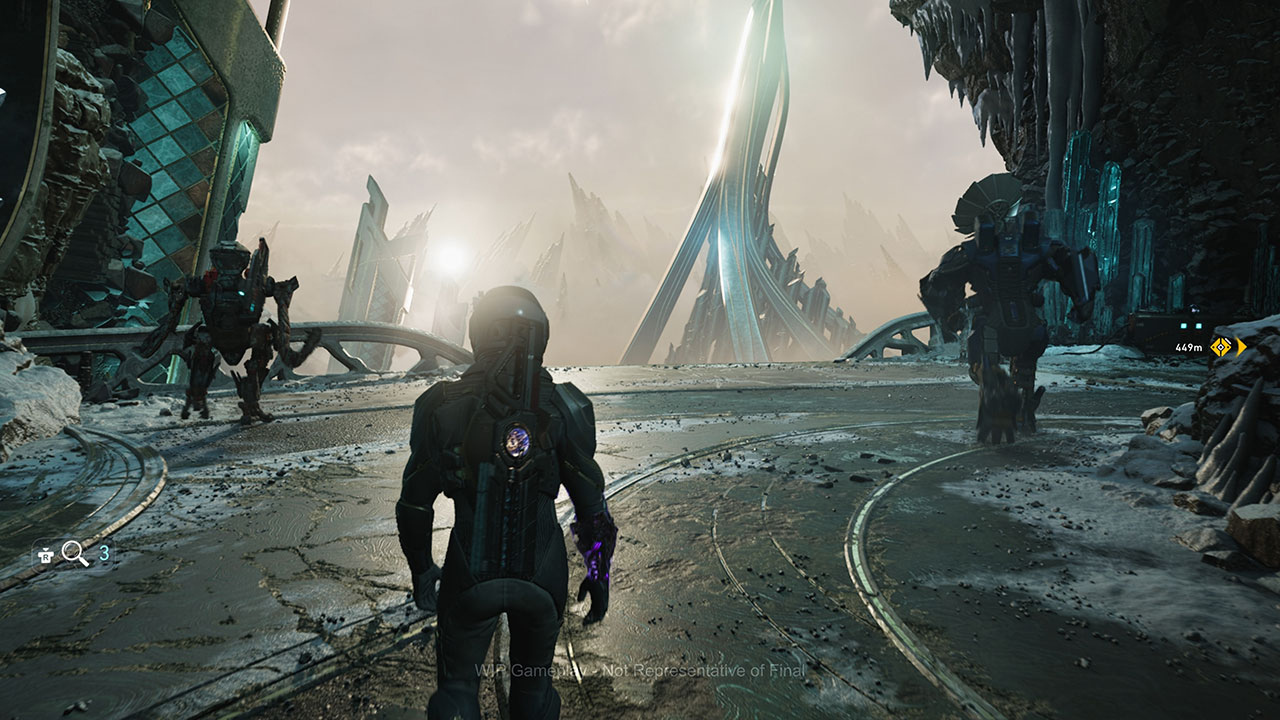
Recent gameplay has shown environments ranging from strange ruins to volcanic landscapes, reinforcing that these missions will take Jun far beyond familiar human settlements. Archetype has also highlighted traversal through hazardous areas rather than treating planets as simple combat arenas.
The studio has not described EXODUS as a conventional seamless open-world game, so it is better to think of it as a galaxy-spanning RPG built around distinct destinations rather than assume it follows one enormous open-world structure.
Companions and relationships
Jun does not travel alone.
Archetype says the crew includes companions with their own personalities, motivations, personal stakes, and specialist skills. Some accompany Jun directly in combat, while others contribute to the broader mission.
Relationships can also become more personal. The official character overview explicitly hints that some bonds may grow deeper than ordinary friendship.
Time dilation makes those relationships more complicated than the usual RPG companion system. Every long-distance mission potentially means leaving people behind while years of their lives pass.
That creates a fairly brutal question underneath the usual loyalty and romance mechanics: how much of another person’s life are you willing to miss to complete the mission?
Choices and consequences
Player choice is another major pillar of EXODUS.
Archetype has repeatedly shown that decisions can alter what happens to the world, characters, and future events. Time dilation magnifies those choices because their consequences may have decades or generations to develop before Jun returns.
That potentially gives EXODUS a different type of consequence system from RPGs where a decision simply changes the next conversation or mission.
A choice made on one expedition could become history by the time Jun sees its outcome.
Who are the Celestials?
The Celestials are not traditional extraterrestrials.
They are descendants of humanity.
When early ark ships traveled at near light speed, enormous spans of time passed elsewhere. Over thousands of years, some human populations established civilizations and evolved into forms barely recognizable as human. These advanced descendants became known collectively as the Celestials.
Their superior technology is both the threat facing Jun and potentially the key to saving his people.
This relationship gives EXODUS an unusual central conflict. Humanity is not fighting an unknown species from another galaxy. It is fighting what humanity itself eventually became.
Why EXODUS is drawing Mass Effect comparisons
The comparison to Mass Effect is understandable.
EXODUS has a customizable protagonist, a crew of companions, third-person sci-fi combat, dialogue choices, relationships, interstellar travel, and decisions designed to shape the story.
There is also a direct development connection. Archetype Entertainment was founded by veteran RPG developers whose previous work includes Mass Effect, Baldur’s Gate, and Star Wars: Knights of the Old Republic.
But the time-dilation system gives EXODUS its own identity. The central question is not merely where you travel or who joins you. It is what happens to everyone you leave behind while you are gone.
Who is making EXODUS?
EXODUS is being developed by Archetype Entertainment and published by Wizards of the Coast.
Archetype was founded around experienced RPG developers, including talent associated with some of BioWare’s best-known role-playing games. That pedigree explains why EXODUS puts such heavy emphasis on companions, choices, worldbuilding, and cinematic storytelling.
The studio is nevertheless building a new universe rather than returning to an existing franchise.
EXODUS books and expanded universe
EXODUS already extends beyond the game.
Science-fiction author Peter F. Hamilton wrote a two-book story set in the universe:
- EXODUS: The Archimedes Engine
- EXODUS: The Helium Sea
The Helium Sea released on June 16, 2026 and concludes the duology.
The franchise has also expanded through EXODUS: Odyssey – Secret Level, alongside tabletop RPG material and extensive lore published through the official Traveler’s Guide.
These stories expand the setting, but there is currently no indication that players need to read them before starting the game.
EXODUS system requirements
Archetype has not yet published final PC system requirements.
That means minimum and recommended CPU, GPU, RAM, storage, and performance targets remain unknown for now.
This section should be updated once the Steam or Epic listings receive official specifications.
EXODUS FAQ
When is EXODUS coming out?
EXODUS is scheduled for early 2027, but no exact release date has been announced yet.
What platforms will EXODUS be available on?
EXODUS is coming to PC, PlayStation 5, and Xbox Series X|S. The PC version will be available through Steam and the Epic Games Store.
Is EXODUS a multiplayer game?
No. Archetype describes EXODUS as a single-player third-person action-adventure RPG.
Is EXODUS open world?
Archetype has not officially described EXODUS as a traditional seamless open-world game. What has been shown so far points toward traveling between large, distinct locations and worlds.
Can you customize Jun Aslan?
Yes. Players can choose a male or female Jun, customize their appearance and gear, and influence their morality.
Does EXODUS have companions?
Yes. Jun leads a crew of companions with individual personalities, stories, motivations, and skills. Some companions participate directly in combat.
Does EXODUS have romance?
The official companion overview hints that some relationships can develop into deeper bonds, although Archetype has not yet fully detailed the romance system.
What is time dilation in EXODUS?
Interstellar travel causes time to pass differently for Jun and the people left behind. A relatively short mission for the Traveler can mean years or decades passing at home, allowing choices to produce long-term consequences.
Are EXODUS pre-orders available?
No. Pre-orders, pricing, editions, and bonuses have not yet been announced.
Do I need to read the EXODUS books first?
There is currently no indication that the novels are required reading. They expand the setting and its history rather than serving as a stated prerequisite for the game.
Time waits for no Traveler
EXODUS has familiar ingredients for anyone who enjoys big cinematic sci-fi RPGs: a customizable hero, dangerous expeditions, companions, real-time combat, ancient technology, and decisions with consequences.
The interesting part is what happens when time is added to that formula.
Jun Aslan might return victorious from a mission only to find that the people, politics, and world left behind have moved forward without them. If Archetype can make those jumps genuinely matter, time dilation could turn one of science fiction’s oldest ideas into the feature that gives EXODUS its own identity.
For now, the wait continues. EXODUS is due in early 2027 for PC, PlayStation 5, and Xbox Series X|S.