





Project Windless has one of those fantasy RPG pitches that gets stranger the longer you look at it. You play a gigantic humanoid bird warrior, enter battles filled with hundreds or potentially thousands of soldiers, fight directly instead of commanding from a map, build alliances between very different civilizations, and help lay the foundations of a kingdom that will become legend.
The game is based on the universe of Korean fantasy novel series The Bird That Drinks Tears by Lee Yeong-do, but it is not adapting the novels directly. Instead, Project Windless goes roughly 1,500 years into their past, giving KRAFTON Montréal a largely unexplored age in which to tell its own story.
That combination is what makes it worth watching. This is an open-world RPG about exploration and choices, but it is also chasing a much larger combat fantasy: being the legendary warrior standing in the middle of a war rather than watching one unfold around you.
Project Windless release date and platforms
Project Windless does not have a release date or release window yet. KRAFTON says additional details will be announced later.
The publisher describes the target platforms broadly as PC and consoles. Earlier KRAFTON investor material specifically referenced PC via Steam, while PlayStation has independently confirmed development for PlayStation 5 and PlayStation 5 Pro.
Other console versions have not been named individually in the main reveal material, so it is better to treat anything beyond the confirmed PlayStation versions and KRAFTON’s general “console” wording as unannounced for now.
What is Project Windless?
Project Windless is a “premium” single-player open-world action RPG built in Unreal Engine 5. KRAFTON has been unusually explicit about two things that are not part of the pitch: there is no multiplayer and no live-service component.
Instead, the developers are building the game around a large fantasy world, non-linear exploration, real-time melee combat, alliances, reputation, factions, and enormous battlefield encounters. The goal is to let the player become a legendary figure through what they actually do rather than simply following a fixed heroic script.
That makes Project Windless sound like two RPG fantasies colliding. One side is about wandering through an unfamiliar world, discovering hidden stories, meeting cultures, and choosing who to support. The other is about walking onto a battlefield as a Rekon and becoming the problem several hundred enemy soldiers now have to solve.
The Bird That Drinks Tears connection
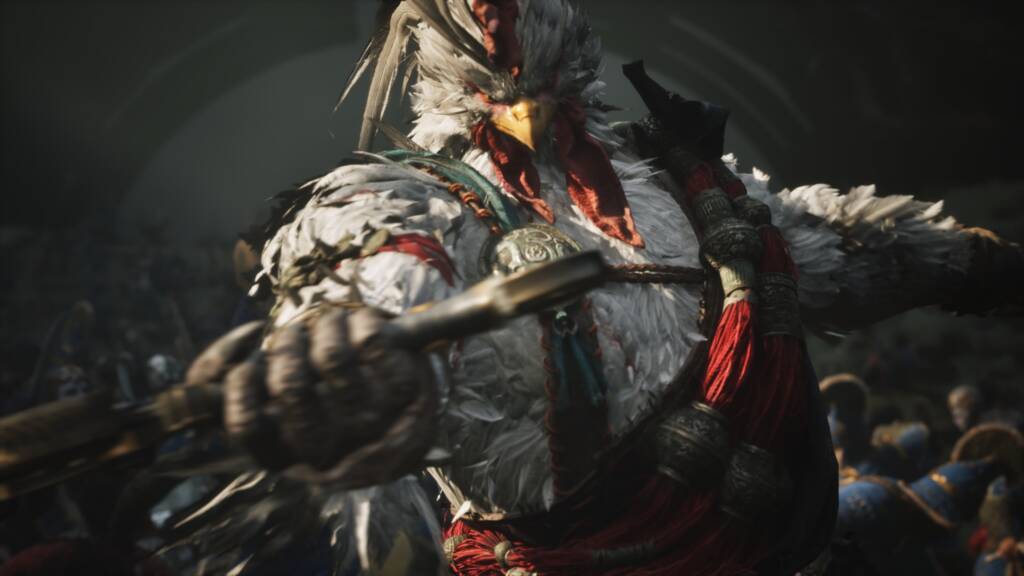
Project Windless takes place in the universe of The Bird That Drinks Tears, the Korean fantasy novel series by Lee Yeong-do.
KRAFTON is not translating the novels directly into quests and cutscenes. The game instead jumps back approximately 1,500 years before the books, into an age that the original stories leave largely unexplored.
That is a smart way to adapt an established fantasy universe without making newcomers feel as if they need homework. The cultures, mythology, races, and underlying history already exist, but the specific political situation and rise of the Hero King give the game room to tell a story whose outcome is not already dictated scene by scene by the novels.
KRAFTON Montréal has also emphasized that this is not conventional Western medieval fantasy wearing a different costume. The studio is working with teams in South Korea and says cultural authenticity and Korean-inspired worldbuilding are part of the development process.
Humans, Rekons, Nhaga, and Tokkebi
Four intelligent races define the world: Humans, Rekons, Nhaga, and Tokkebi. Each has its own culture, beliefs, history, and perspective on the conflicts unfolding around them.
The important part is that these are not being described as simple RPG faction colors. KRAFTON’s pitch repeatedly stresses incompatible worldviews and complicated histories, which should make alliance-building more interesting than choosing which banner looks nicest.
Who is the Hero King?
Players take the role of the Hero King, a legendary Rekon warrior whose actions become part of the history that later generations inherit.
Rekons are enormous humanoid birds, which immediately gives the protagonist a different physical presence from the average fantasy RPG hero. The Hero King fights using twin star-forged blades and is built around speed, reach, strength, and fighting large groups at once.
The character is powerful, but not supposed to be untouchable. One of the quirks inherited from the source material is the Rekons’ fear of water. KRAFTON Montréal specifically points to traits like this as a way of keeping a mythic protagonist from feeling like an invulnerable superhero.
The broader arc is about becoming worthy of the “Hero King” legend. As reputation grows and relationships change, the protagonist can bring races and factions together and influence the foundations of a future kingdom.
The open world is supposed to let you get lost
KRAFTON Montréal says it wants as little hand-holding as possible. The world is not supposed to push the Hero King down one mandatory route every time a quest starts.
Players will be able to wander, explore side stories, meet factions, prepare for conflicts, build relationships, and choose which direction their journey takes. The overall structure is described as non-linear, with decisions affecting alliances and the broader conflict.
Exactly how deep those consequences go is still unclear. KRAFTON has not shown a branching quest map or explained whether major characters, cities, battle outcomes, or endings can change. What it has committed to is the broader principle: the player should have agency over how wars develop and which relationships shape the future kingdom.
The interesting part: Project Windless is not just promising freedom to explore. Its choices are supposed to feed into alliances and the war itself, giving wandering, faction relationships, and battlefield outcomes a common purpose.
Combat: one Rekon vs. an army
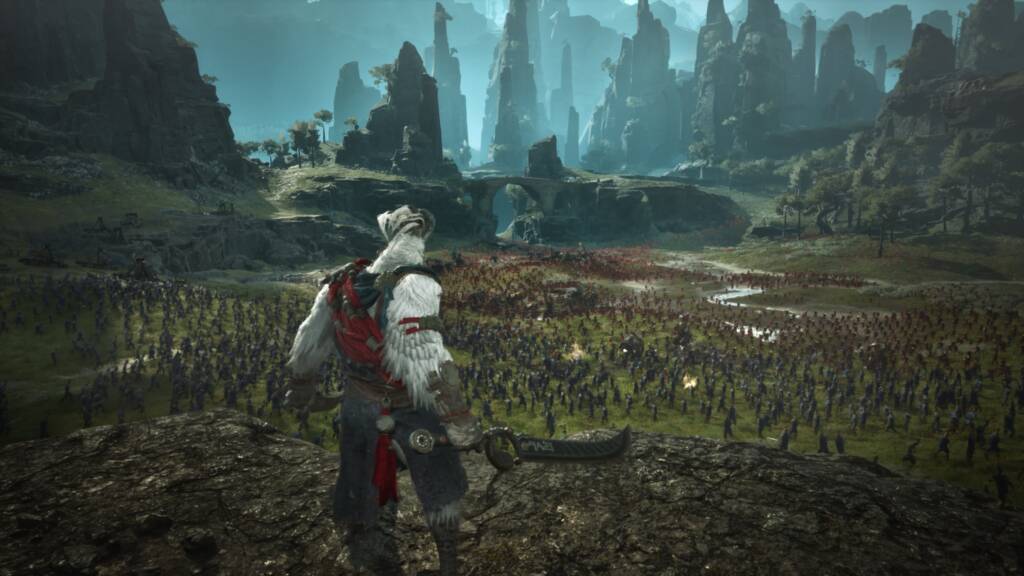
Combat is real-time, fast, and built around player skill. The Hero King personally enters battles rather than issuing orders from a tactical overview.
The reveal footage and developer commentary focus heavily on one-vs.-many combat. A normal fight may involve dozens of opponents, while larger situations can put the Hero King against hundreds of active enemies alongside allied forces.
Those numbers immediately invite comparisons with games such as Dynasty Warriors, but the RPG structure around the fighting is very different. Project Windless is also trying to build exploration, faction decisions, relationships, giant creatures, and a persistent open world around that battlefield scale.
KRAFTON says enemy crowds are not just visual decoration. Soldiers can move, react, surround, and flank the player, forcing the Hero King to read the battlefield instead of treating the crowd as one giant special-effect animation.
Huge creatures can enter those battles, too. That creates a particularly interesting scale problem: you may be cutting through ordinary soldiers one moment and dealing with something large enough to dominate the entire battlefield the next.
What is Project Windless Mass Technology?
Mass Technology is KRAFTON’s name for the system powering Project Windless’ biggest battlefield encounters.
According to the publisher, it allows thousands of soldiers and massive creatures to clash in real time across dynamic battlefields. The player remains inside the action, so the technology has to support both spectacle at a distance and enemies that respond meaningfully to what the Hero King is doing nearby.
That system may end up being the game’s technical calling card. Plenty of RPGs have large wars in their fiction. Far fewer try to put the player directly in the middle of a genuinely crowded engagement while still asking them to perform precise action combat.
How often these battles occur, whether their scale changes dynamically, how allied forces behave, and how much player decisions can alter the starting conditions are all still unanswered questions.
Who is making Project Windless?
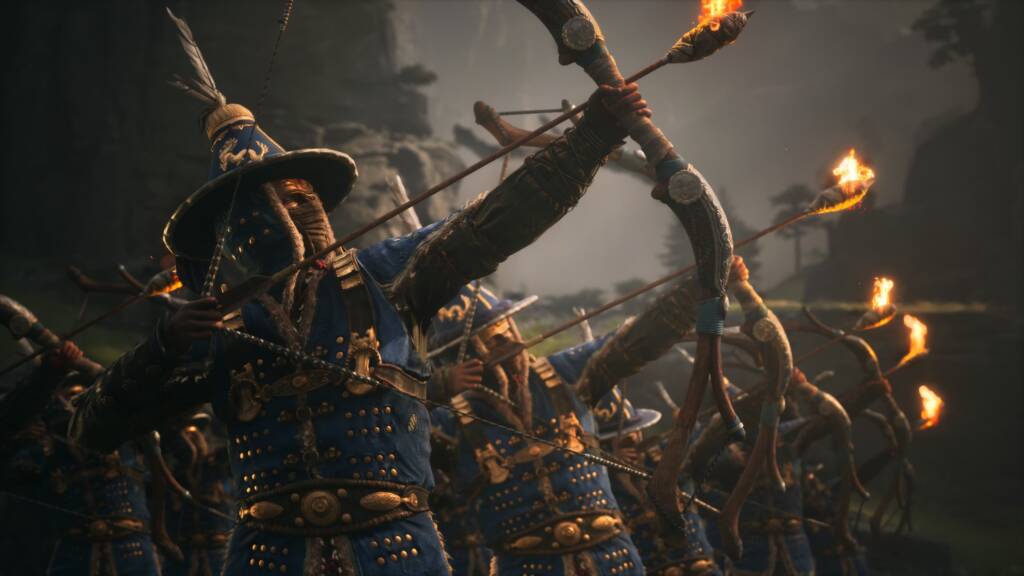
Development is led by KRAFTON Montréal Studio, the company’s AAA development hub in North America, working closely with teams in Pangyo, South Korea.
The studio is headed by Patrik Méthé, whose previous work includes leadership on the Far Cry series. That open-world experience is relevant here, but Project Windless is clearly not being presented as “Far Cry with swords.” Its biggest challenges are tied to translating a Korean fantasy universe, creating a much less familiar protagonist, and making enormous battles function inside an exploration-driven RPG.
The underlying project has also been around for a while. KRAFTON publicly announced development of a game based on The Bird That Drinks Tears back in 2022, revealing concept art and recruiting globally before eventually unveiling Project Windless under its current name in February 2026.
PC requirements, editions and pre-orders
KRAFTON calls Project Windless a premium game, which distinguishes it from a free-to-play or live-service release. No retail price, edition structure, pre-order bonuses, or PC system requirements have been announced. The release window is also unconfirmed.
Gift card options on G2A.COM
With the release still undated, a compatible platform gift card can be one way to set aside wallet credit for a later digital purchase. Choose the right platform and check the currency and redemption region before buying.
Platform wallet options on G2A.COM
G2A Plus: Earn Plus Points on eligible purchases for later discounts. Plus Premium also offers member pricing on eligible items and monthly rewards.
Games to play while waiting for Project Windless
There is no single game that neatly reproduces the whole Project Windless pitch yet. These five are useful for different pieces of it: mass combat, dangerous open-world exploration, large monsters, player-driven fantasy journeys, and war unfolding around a powerful individual fighter.
If the giant battlefields are what caught your attention, start with Dynasty Warriors: Origins. If it is the combination of solitary exploration, monsters, and minimal hand-holding, Dragon’s Dogma 2 and Elden Ring are much closer to that side of the fantasy.
Related G2A News articles
- The best open-world RPGs – useful if the freedom and exploration side of Project Windless is the main draw.
- Dragon’s Dogma 2 + Dark Arisen: Gameplay, story, systems and more – another single-player fantasy RPG built around freedom, dangerous journeys, and huge creatures.
- Dragon’s Dogma 2 in 2026: Everything that changed since launch – a current look at one of the more relevant games to play while waiting.
A legend that still has plenty left to reveal
What KRAFTON has shown is much more useful than a cinematic logo reveal, though. We already know who we play, where this story sits in the larger mythology, how the open-world philosophy works, what role alliances are supposed to play, and why the combat is technologically unusual.
And that combat hook is hard to ignore. A single-player open-world RPG where a giant bird warrior personally cuts through an army while trying to unite a fractured fantasy world is a much clearer identity than “another huge fantasy game.”
Now Project Windless has to prove that those thousands of soldiers are more than spectacle and that player agency genuinely changes the war around them. If it can do both, the Hero King’s legend might be worth waiting for.