


The Sinking City 2 vs The Sinking City: What Has Changed?
The Sinking City 2 shares plenty of DNA with Frogwares’ 2019 Lovecraftian adventure, but calling it simply “more of the same” would miss the point. The sequel keeps the flooded 1920s setting, cosmic horror, moral uncertainty, investigation, and grotesque creatures, while changing the protagonist, city, story, structure, and even the genre emphasis.
The original The Sinking City was primarily an open-world detective game with horror and combat layered around its investigations. The Sinking City 2 reverses those priorities. Frogwares describes the sequel as survival horror first, with exploration and investigation supporting the fight to stay alive.
Table of Contents
The Sinking City 2 vs The Sinking City at a glance
Story: from solving Oakmont’s mystery to saving one person
The first The Sinking City follows Charles Reed, a Great War veteran and private investigator suffering from disturbing visions and deteriorating mental health. Those visions draw him to Oakmont, Massachusetts, a city isolated by a supernatural flood. Reed begins searching for answers about his condition but gradually becomes involved in a much larger mystery surrounding Oakmont, its inhabitants, cults, monsters, and cosmic forces.
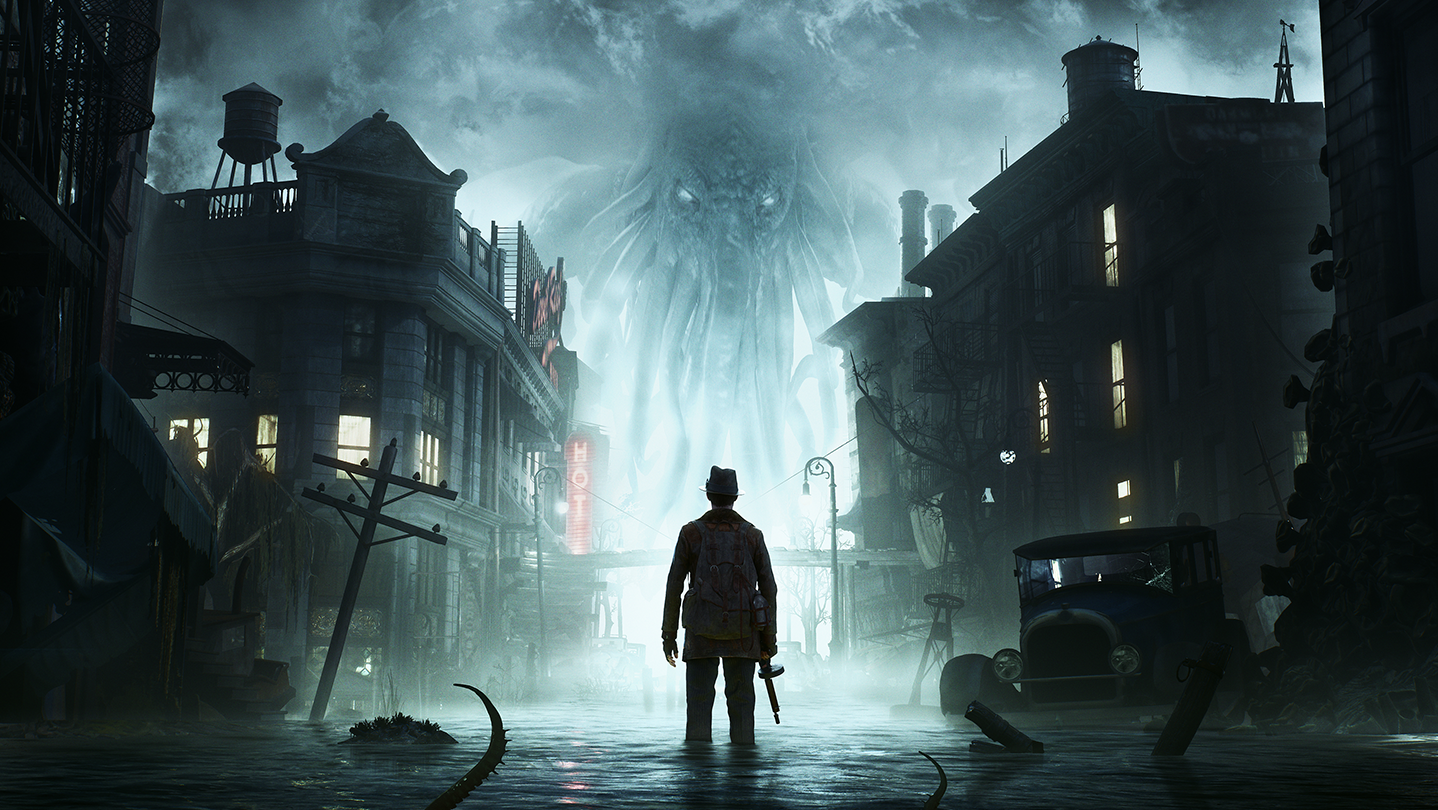
The Sinking City 2 starts from a considerably more personal crisis. Calvin Rafferty is an occult adventurer whose involvement in a failed dreaming ritual leaves the woman he loves trapped in the Dreamlands. Her body is then taken by malevolent forces, sending Calvin into the flooded city of Arkham in an attempt to recover her and confront the force behind the disaster engulfing the city.
That means both stories begin with protagonists entering supernatural cities because something deeply personal has gone wrong, but the motivation is different. Reed is pursuing the source of his visions and madness. Calvin is trying to save someone else.
The sequel is also explicitly designed as a standalone story separate from the first game, so newcomers do not need Charles Reed’s case history before stepping into Arkham.
Protagonist: Charles Reed vs Calvin Rafferty
Charles Reed is built for the detective game Frogwares wanted to make in the original. He is a private investigator, and his supernatural condition becomes part of his investigative toolkit. The game revolves around inspecting scenes, gathering evidence, reconstructing events, and making deductions.
Calvin Rafferty is different. Frogwares describes him as an occult adventurer, and his role is better suited to the sequel’s survival-horror focus. He is still surrounded by rituals, mysteries, and impossible phenomena, but The Sinking City 2 is not structured around making him solve every problem like a professional investigator.
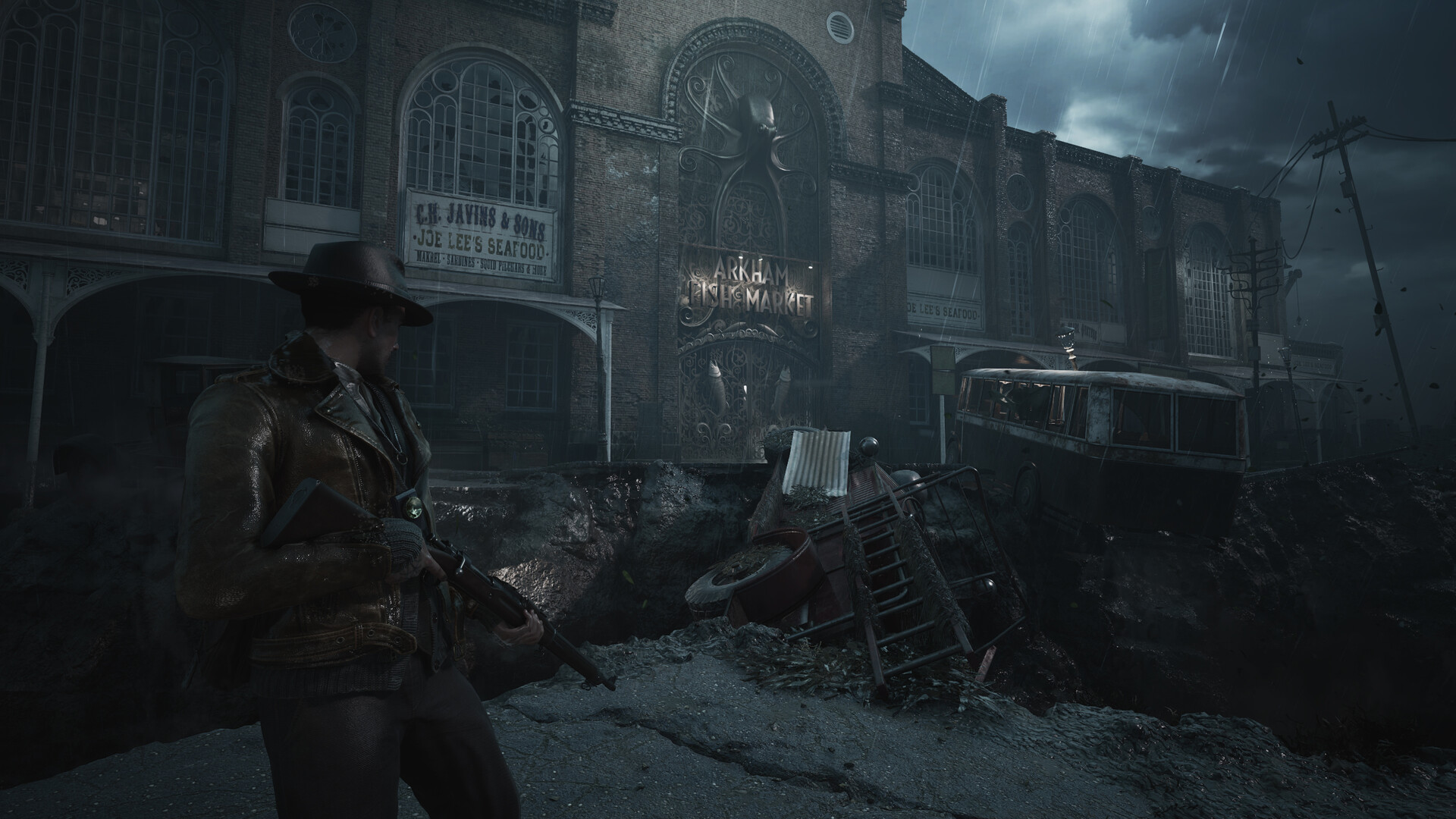
The difference reflects the larger design shift. Charles’ profession explains why investigation drives the original game. Calvin’s circumstances put survival, exploration, combat, and his personal mission closer to the center.
Setting: Oakmont gives way to Arkham
Both games take place in Lovecraftian versions of 1920s New England cities devastated by supernatural flooding, so visually and thematically there is still an obvious family resemblance.
The original game takes place in Oakmont, Massachusetts, a fictional and isolated port city divided into several districts. Flooding has swallowed entire streets, meaning Charles frequently alternates between walking and using a boat to navigate the city. Frogwares describes the original as a vast open world that can be explored on foot, by boat, and even in a diving suit.
The sequel moves the action to Arkham, one of the best-known locations associated with Lovecraft’s fiction. Frogwares’ version is another flooded port city, with waterlogged streets, battered Art Deco architecture, abandoned hospitals, markets, mansions, hidden passages, and routes that can be crossed on foot or by skiff.
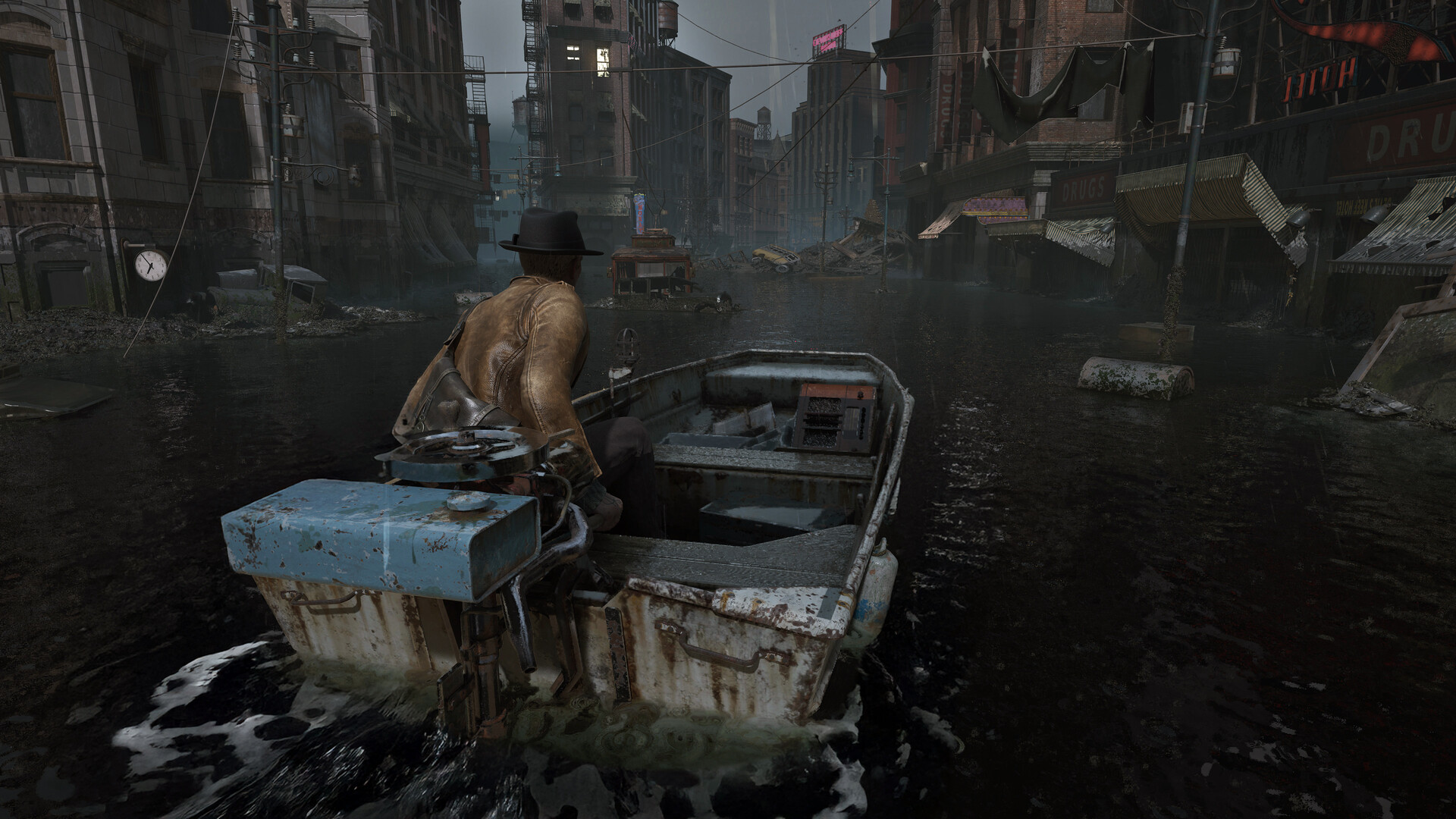
There is an important structural difference, though. Oakmont was designed as a broad open world that players repeatedly crossed while following cases and visiting archives. Frogwares describes Arkham as a semi-open world, with a denser layout, hidden paths, shortcuts, quests, and environmental storytelling.
Gameplay: the biggest change
Gameplay is where The Sinking City 2 separates itself most clearly from its predecessor.
The original The Sinking City is fundamentally an investigation adventure. Players search crime scenes, gather evidence, consult archives, question residents, use supernatural abilities, reconstruct sequences of events, and draw conclusions. The current Frogwares Steam description still lists its open investigation system as one of the game’s defining pillars.
The sequel is built as survival horror. Ammunition and supplies are limited, inventory management matters, weapons can be upgraded, and monsters are intended to present a meaningful threat. Frogwares specifically describes the game as resource-lean, with players sometimes better off retreating, rearming, adjusting their build, and returning later.

Combat itself has consequently received much more attention. The sequel features 1920s-inspired firearms, different enemy weaknesses, upgrades, crafting, combat-focused perks, and a greater emphasis on deciding whether fighting is worth the ammunition and healing supplies it may consume.
Investigation is now optional
The switch to survival horror does not mean Frogwares has abandoned detective gameplay completely.
In The Sinking City, investigations are the backbone of progression. The open investigation system allows cases to be approached in multiple ways, with player decisions potentially producing different outcomes.
In The Sinking City 2, investigation has become optional. Players can examine ritual traces, decipher journals, follow grisly clues, and search environments more thoroughly. Doing so can reveal lore, supplies, safer routes, and upgrades, but optional cases do not block progress through the main story.
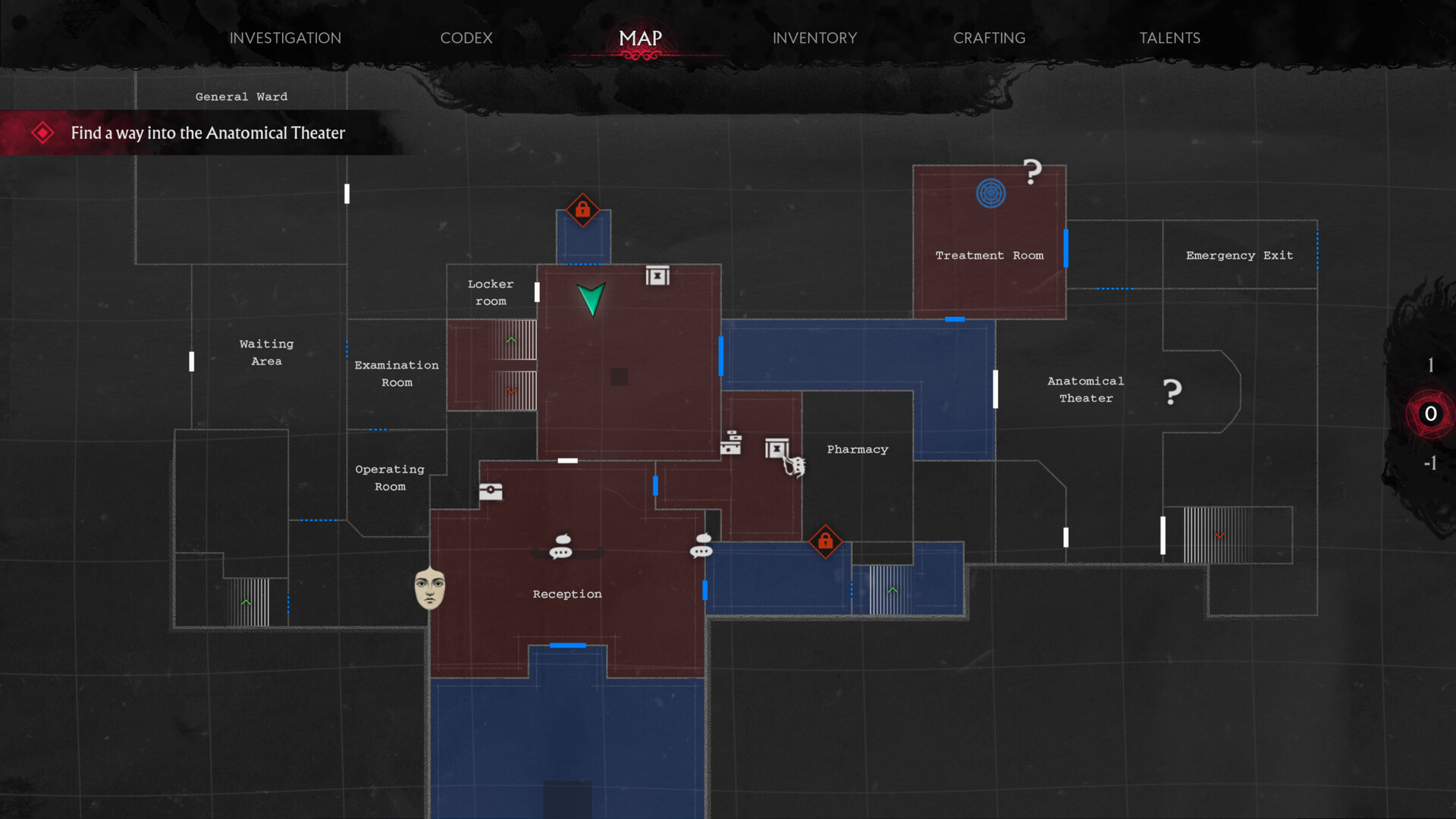
That is probably the single clearest explanation of how Frogwares’ priorities have changed. In the first game, you investigated because that was how you progressed. In the sequel, investigating can give you an advantage when you return to the survival-horror side of the game.
Survival matters much more
The first game already contained ammunition, crafting, healing items, weapons, and enemies, so The Sinking City 2 is not inventing survival mechanics from nothing.
What changes is their importance.
The sequel puts stronger pressure on players to scavenge, decide what belongs in a finite inventory, conserve ammunition, upgrade equipment, and determine whether a fight is worth the resources it will consume. Frogwares has explicitly highlighted limited supplies and inventory management as core survival-horror systems.
That gives exploration another purpose. Searching a side room is no longer primarily about finding the next clue in a case. It might contain ammunition, crafting materials, an upgrade, a shortcut, or information that makes the next encounter easier.
Exploration has changed along with the genre
The first game’s open world supports detective work. Players crisscross Oakmont, track addresses manually, consult city records, and travel between crime scenes and institutions.
The sequel’s Arkham is designed more like a survival-horror environment. Frogwares talks about returning through unlocked shortcuts, searching for hidden routes, and revisiting locations for supplies and upgrades. The result sounds closer to a deliberately interconnected horror map than a detective sandbox built primarily around cases.
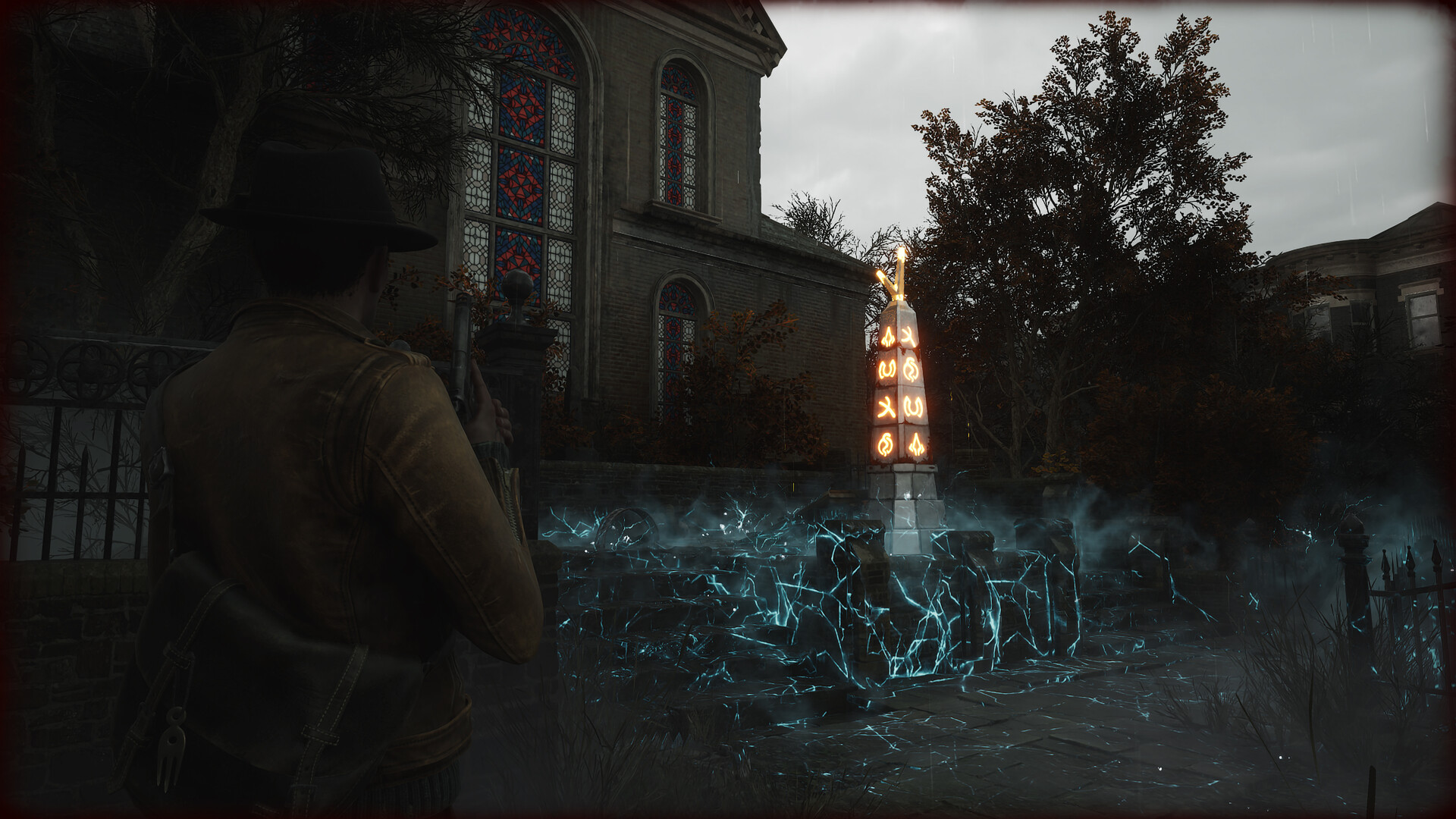
Both games still use flooding to shape traversal, however. Reed uses boats to cross Oakmont, while Calvin can travel through Arkham using both streets and skiffs.
Lovecraftian horror is still crucial
Despite all these changes, The Sinking City 2 is clearly not abandoning what made the original recognizable.
Both games feature flooded New England cities, occult rituals, hostile supernatural creatures, cosmic forces, psychological instability, morally uncomfortable situations, and the sense that understanding what is happening may be almost as dangerous as remaining ignorant.
The original game also makes mental health a mechanical concern, with Frogwares listing sanity management as one of its core pillars. The sequel seems to shift more of that pressure into conventional survival systems: ammunition, inventory space, enemy encounters, puzzles, and the constant question of whether to push deeper or retreat.
The monster roster maintains that Lovecraftian continuity too. The sequel features creatures such as the Slither, which animate corpses, and Deep Ones emerging from dark water.
The difference is how that horror reaches the player. The first game often makes horror something you investigate. The sequel wants horror to be something you also have to survive.
A major technical change
Another difference sits underneath everything else.
The original game was developed in Unreal Engine 4, while Frogwares moved The Sinking City 2 to Unreal Engine 5 as part of its attempt to make a denser and more visually ambitious survival-horror game.
The comparison is slightly more complicated in 2026 because Frogwares has since released The Sinking City Remastered, rebuilding the first game’s presentation in Unreal Engine 5 with Lumen global illumination, ray tracing, 4K textures, additional environmental detail, HDR, photo mode, and improvements to combat, controls, balance, crowds, and tutorials.
That means someone playing both games today can compare two Unreal Engine 5 versions, even though the original 2019 release was created with older technology.
Open-world investigation vs focused survival horror
Looking at everything together, The Sinking City 2 feels less like a conventional sequel and more like Frogwares taking the same basic ingredients and rebuilding the recipe.
The Sinking City is for players who want investigations, open-ended clue hunting, archives, deductions, morally gray cases, and a large city to explore.
The Sinking City 2 keeps the Lovecraftian atmosphere and investigative flavor but moves combat, resource scarcity, exploration, puzzles, enemy encounters, and survival much closer to the center. Frogwares itself has described the project as a move away from decades of investigative-adventure design toward its first full survival-horror experience.
That makes the sequel interesting precisely because it is not trying to replace Charles Reed with another detective and repeat Oakmont. Calvin Rafferty, Arkham, the more personal rescue story, optional investigations, semi-open structure, and stronger survival systems give it a separate identity while keeping enough of The Sinking City’s Lovecraftian DNA to make the connection obvious.
The Sinking City 2 launches on PC, PlayStation 5, and Xbox Series X|S on August 18, 2026.