Best Survival Horror Games of All Time
The survival horror genre is broad and popular, and not just because both survival games and horror...
1 out of 1 item
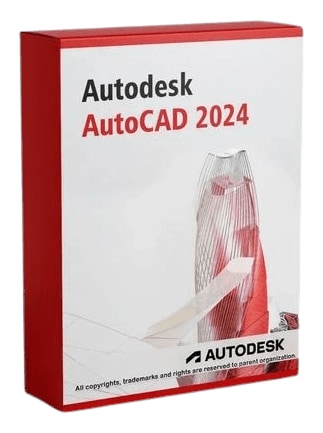
Autodesk Navisworks Manage 2024 is a BIM coordination and project review solution for combining multidisciplinary models, detecting clashes, simulating construction schedules, and improving collaboration before work begins on-site.
Autodesk Navisworks Manage 2024 lets teams append or merge models created in different design applications into a unified environment. Architects, engineers, contractors, and project managers can examine architectural, structural, and MEP information together without modifying the original source files.
Selection trees, saved search sets, visibility controls, sectioning tools, and object properties make it easier to isolate specific building elements and understand how individual systems fit into the complete project.
Clash Detective helps identify physical intersections, insufficient clearances, duplicated objects, and other coordination issues within the aggregated model. Users can define repeatable tests between complete models, disciplines, categories, or selected object sets.
Detected clashes can be reviewed directly in the 3D scene, assigned a status, grouped, documented with saved viewpoints, and exported as reports. Finding these problems during design coordination can reduce rework, delays, and costly corrections on the construction site.
TimeLiner connects model components with tasks from a construction schedule, enabling teams to visualize how a project is expected to develop over time. Planned, actual, and simulated dates can be compared in an animated 4D model.
Time-based clash testing can also reveal temporary conflicts involving equipment, access routes, moving objects, and different stages of construction that may not be visible in a static model review.
Quantification tools support takeoffs from 3D models and 2D project sheets, helping users measure areas, count components, and estimate required materials. Organized workbooks and customizable catalogs provide a structured environment for reviewing takeoff data.
Saved viewpoints, comments, measurements, markups, animations, rendered images, and published NWD files make coordination findings easier to present to stakeholders. Project participants can review the coordinated model without needing access to every original design application.