Windows Server 2022 is a Microsoft server operating system for secure business workloads, hybrid Azure environments, virtualization, storage, networking, and application hosting.
Windows Server 2022 Key Features
- Advanced multi-layer security for modern server environments
- Secured-core server capabilities to help protect hardware, firmware, and the operating system
- Hybrid integration with Microsoft Azure services
- Support for Azure Arc management scenarios
- Improved secured connectivity, including HTTPS and SMB security enhancements
- Flexible platform for business applications, containers, and virtualized workloads
- Tools for managing connected applications, networks, storage, and web services
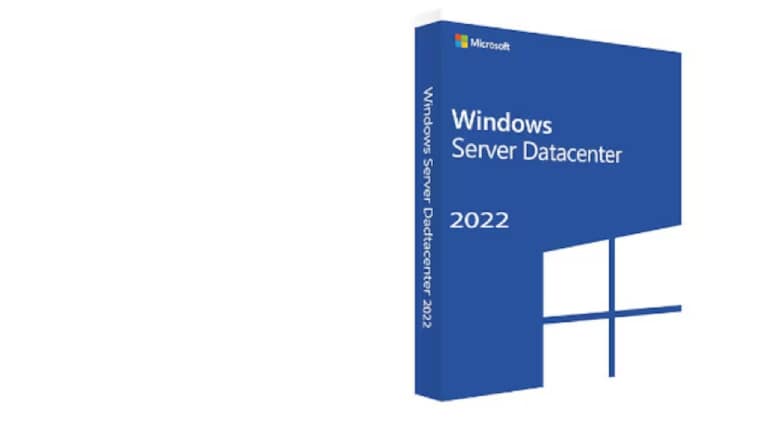
Secure Foundation for Business Workloads
Windows Server 2022 is designed for organizations that need a reliable operating system for important business services. Its security-focused features help protect server environments against modern threats, making it suitable for data, identity, application, and infrastructure workloads.
Hybrid Cloud Capabilities with Azure
Windows Server 2022 supports hybrid scenarios for companies that want to connect on-premises infrastructure with cloud services. With Azure integration and management options such as Azure Arc, organizations can extend their server environment and manage resources more consistently across different locations.
Built for Virtualization, Applications, and Infrastructure
Windows Server 2022 provides a flexible platform for running applications, virtual machines, storage services, network services, and web workloads. It is a strong choice for companies modernizing their infrastructure while still supporting traditional server roles.
Reliable Management for IT Teams
Windows Server 2022 gives administrators a familiar Microsoft server environment for managing users, services, networks, storage, security, and workloads. It works well for businesses that need stable infrastructure with professional-grade management options.
Who will like Windows Server 2022
- IT administrators managing business servers and infrastructure
- Companies building secure on-premises or hybrid environments
- Organizations using Microsoft Azure alongside local servers
- Businesses running virtual machines, applications, and network services
- System integrators and managed service providers
- Teams that need a stable platform for storage, identity, and web services



.jpg/604102317e696c44537d9d82)